
.png)
A Walk Through Old Dubai Before the Skyline
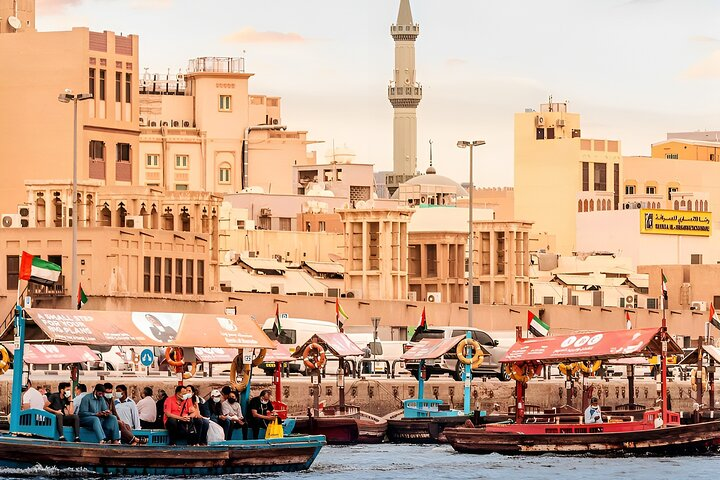
Long before the city became associated with record-breaking architecture, ultra-luxury hospitality and futuristic ambition, Dubai was a quieter, slower place shaped almost entirely by trade, movement and community. Life unfolded around the water. Wooden abras crossed the creek carrying merchants, families and workers between Bur Dubai and Deira, while dhow boats arrived filled with textiles, spices, pearls and stories from across the region.
The creek was never simply a body of water. It was the economic and cultural heartbeat of the city.
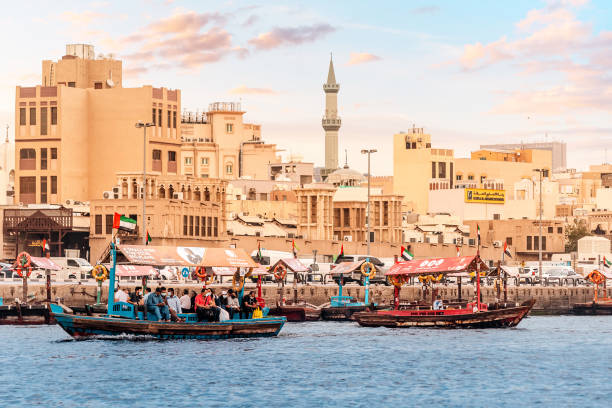
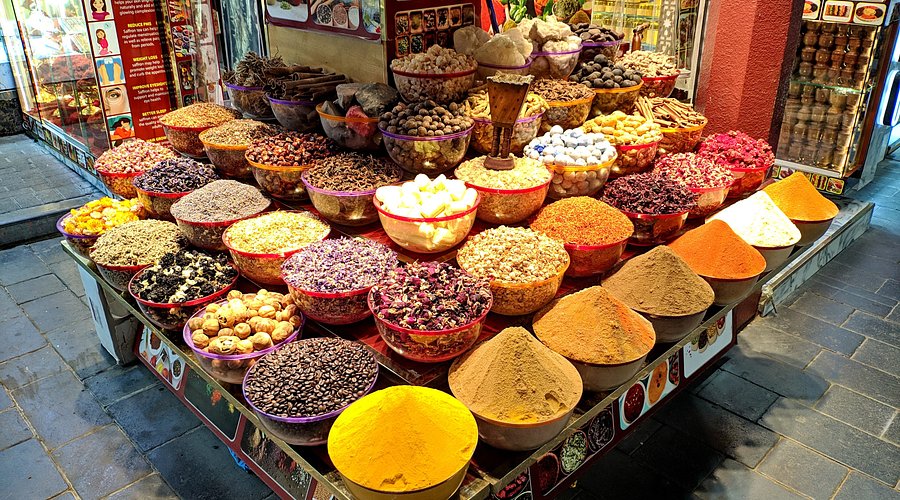
Old Dubai still carries traces of that history in ways that feel increasingly rare within a rapidly evolving global city. The narrow alleyways of Al Fahidi, the scent of spices drifting through traditional souks, the wind towers standing above restored courtyards and the sound of traders negotiating across generations all offer a reminder of what existed before the towers, before the highways and before the international attention.
What makes Old Dubai so important is not nostalgia alone. It is perspective.
Because while modern Dubai often represents ambition, scale and reinvention, Old Dubai represents foundation. It reflects the resilience required to build a city in harsh desert conditions long before global recognition arrived. It speaks to a time when trade, relationships and trust shaped daily life more than spectacle ever did.
Many of the values that continue to define Dubai today can still be traced back to these older districts. Openness to the world. Entrepreneurial thinking. Cultural exchange. Hospitality. Movement. Commerce. Even now, the creek remains one of the clearest symbols of how Dubai was built through connection long before it became a global destination.
There is also something deeply human about Old Dubai that contrasts beautifully with the speed of the modern city. Here, time feels slower. The architecture encourages intimacy rather than scale. Conversations happen in courtyards instead of boardrooms. Small details — weathered walls, handwritten signs, traditional fabrics, wooden doors and passing abras — quietly preserve memories of another era.
And perhaps that is why Old Dubai continues to resonate so strongly today.
As the emirate continues to push toward the future through innovation, technology and expansion, places like Al Fahidi and Dubai Creek serve as important reminders that identity cannot exist without memory. Progress becomes far more meaningful when a city chooses to preserve the stories that shaped it along the way.
Because to understand where Dubai is going, you first have to walk through where it began.