
.jpg)
Al Fanar
In a city constantly reinventing itself, places like have become increasingly important reminders of the UAE’s cultural roots.
Long before Dubai became known for skyscrapers, luxury hospitality and global tourism, daily life across the Emirates moved at a slower and more intimate rhythm. Neighbourhoods were built around courtyards and wind towers. Families gathered for long meals that stretched late into the evening. Coffee was poured slowly. Stories were passed from one generation to another through conversation rather than documentation.
Al Fanar was created to preserve that atmosphere.
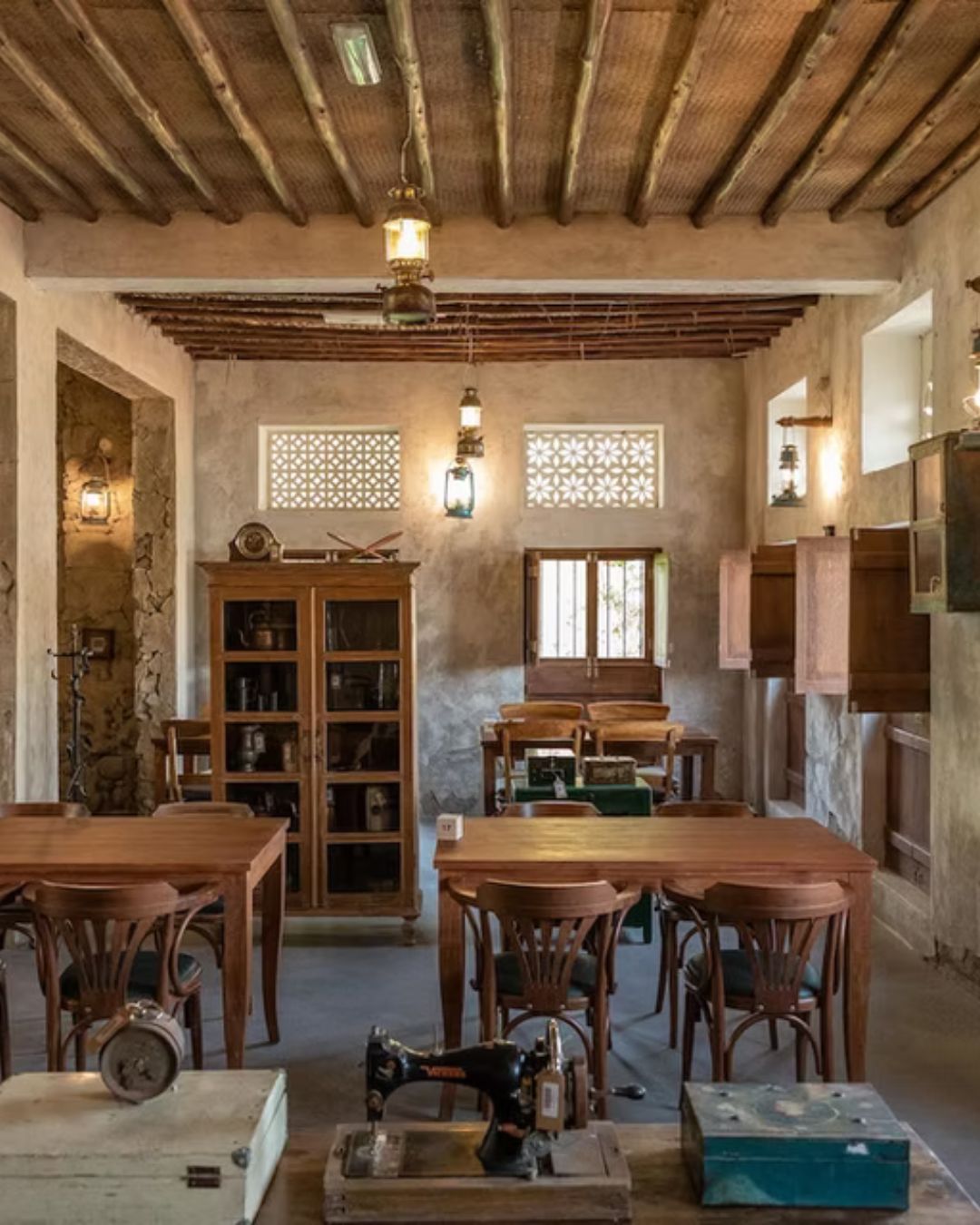
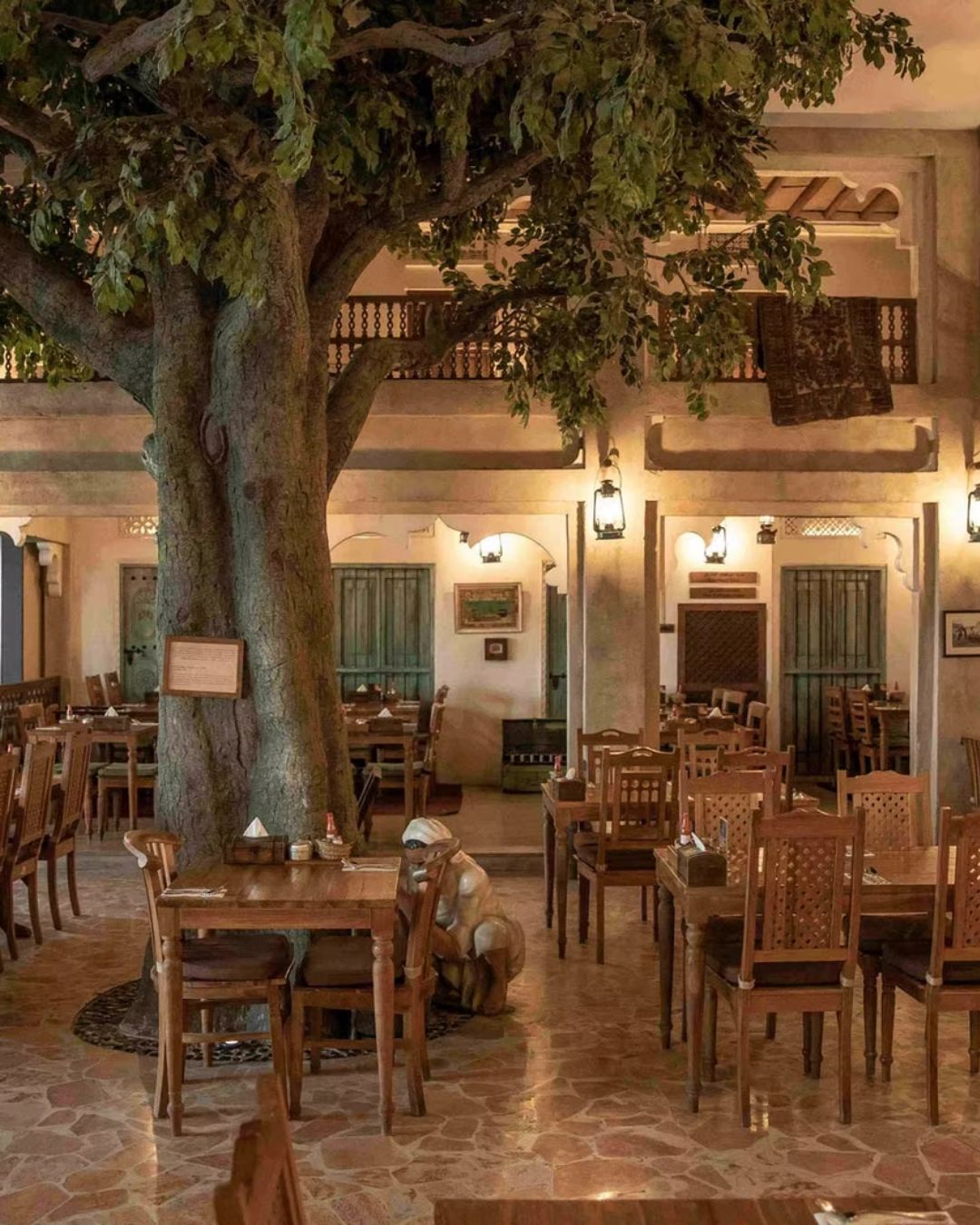
Inspired by Emirati life during the 1960s, the restaurant recreates the feeling of old neighbourhoods through traditional interiors, heritage architecture, vintage objects and hospitality rituals that once shaped everyday life across the UAE. From the lantern-lit spaces and wooden doors to the scent of oud moving through the restaurant, every detail is designed to evoke memory rather than simply aesthetics.
But what makes Al Fanar significant goes beyond design alone.
The restaurant also protects a culinary history deeply connected to Emirati identity. Traditional dishes such as machboos, harees, balaleet, regag bread and luqaimat remain central to the experience — recipes rooted in generations of home cooking and shaped by the UAE’s historical connections to trade routes across India, Persia and East Africa.
In many ways, Emirati food tells the story of the country itself.
A story of hospitality, resilience, gathering and community long before the UAE emerged as a global destination. Meals were never simply functional. They were social rituals built around generosity, conversation and family.
Arabic coffee, in particular, continues to hold deep cultural importance within Emirati hospitality. The act of serving coffee and dates has historically represented respect, welcome and connection — traditions that remain embedded within the experience at Al Fanar today.
For many younger generations and international visitors, restaurants like Al Fanar offer something increasingly rare: the opportunity to experience a side of the UAE that existed before rapid modernisation transformed the country’s cities and global image.
Because while the UAE continues building toward the future through innovation, tourism and development, there is also a growing awareness around the importance of preserving cultural memory.

Across the country, museums, restored heritage districts and cultural initiatives now exist alongside modern infrastructure as part of a wider effort to protect national identity while embracing global progress.
Al Fanar exists naturally within that movement.
Not simply as a restaurant, but as a living cultural space preserving traditions, rituals and atmospheres that might otherwise disappear within the speed of urban transformation.
And perhaps that is why it resonates so deeply with both locals and visitors alike.
Because beyond the skyscrapers, luxury developments and international headlines, Emirati culture has always lived through gathering, food, storytelling and the rituals shared around the table.