
.jpg)
H.H SHEIKH Ahmed bin Saeed Al Maktoum
Long before Emirates became one of the world’s most recognised airlines, Dubai was still a growing city finding its place on the global stage.
In 1985, Sheikh Ahmed bin Saeed Al Maktoum became chairman of a newly founded airline launched with just two aircraft and a vision that many considered overly ambitious at the time. Today, nearly four decades later, Emirates is not only one of the most powerful aviation brands in the world, but also one of the clearest symbols of Dubai’s transformation into a global city.
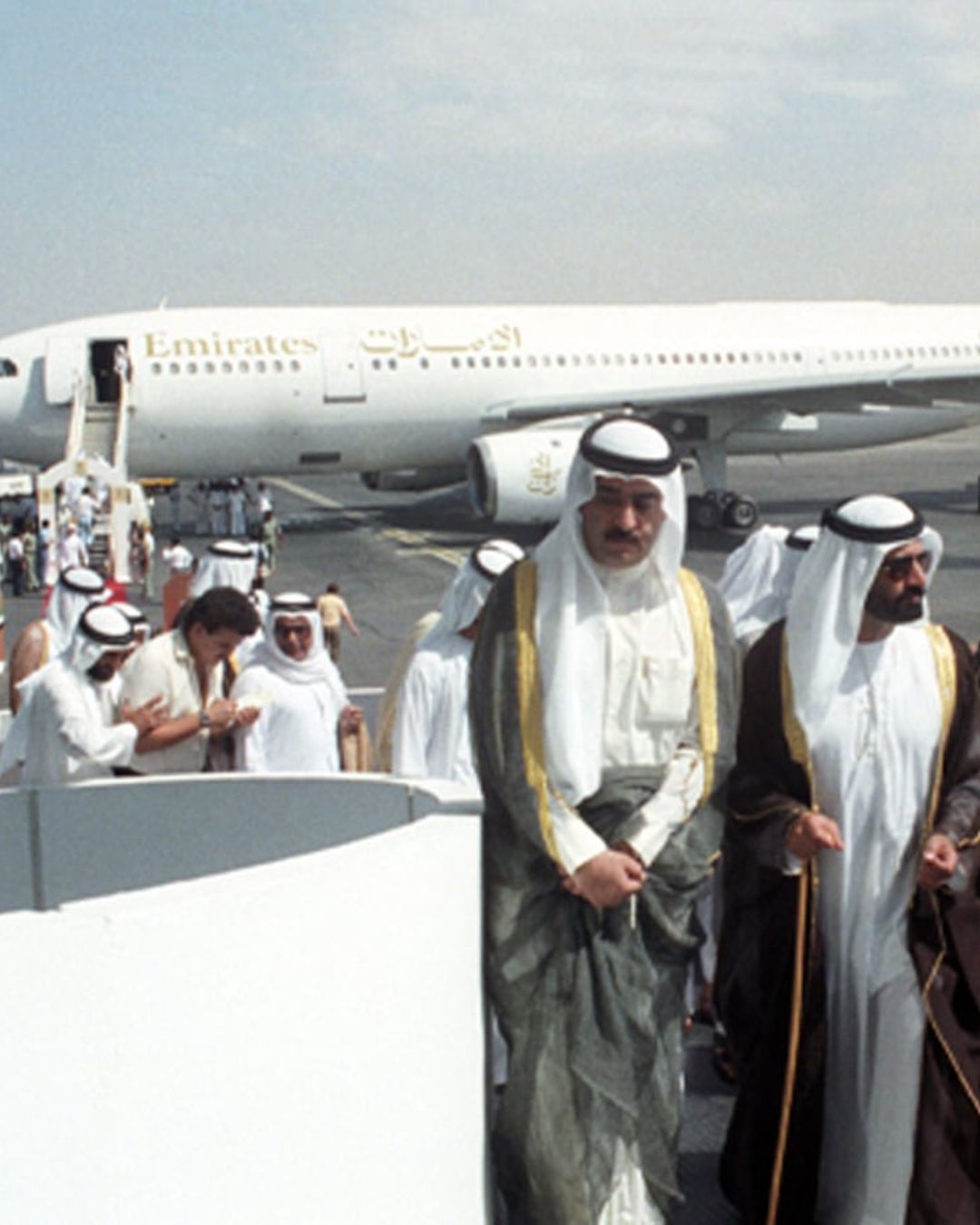
Under Sheikh Ahmed’s leadership, Emirates expanded from a regional carrier into an international aviation empire connecting Dubai to more than 150 destinations worldwide. In many ways, the airline grew alongside the city itself. As Dubai positioned itself as a centre for tourism, business, finance and luxury hospitality, Emirates became the infrastructure carrying that ambition across continents.
But what makes Emirates particularly interesting is that its growth was never only about aviation.
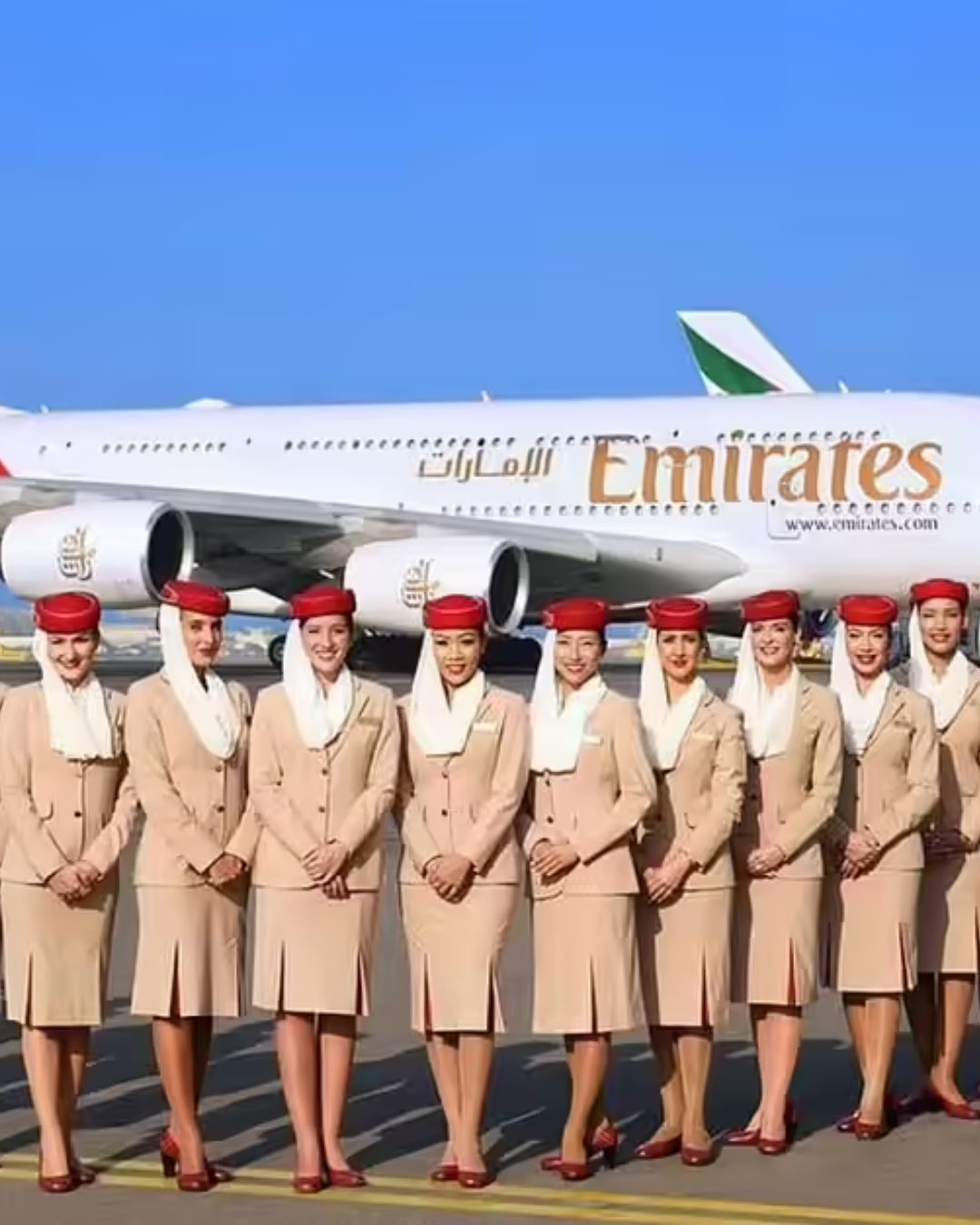
The airline helped reshape global perceptions of the Gulf entirely. For millions of travellers, Emirates became their first introduction to Dubai and, by extension, the UAE. The airline’s branding, service standards, airport experience and global sponsorships all played a role in transforming Dubai into an aspirational destination rather than simply a stopover city.
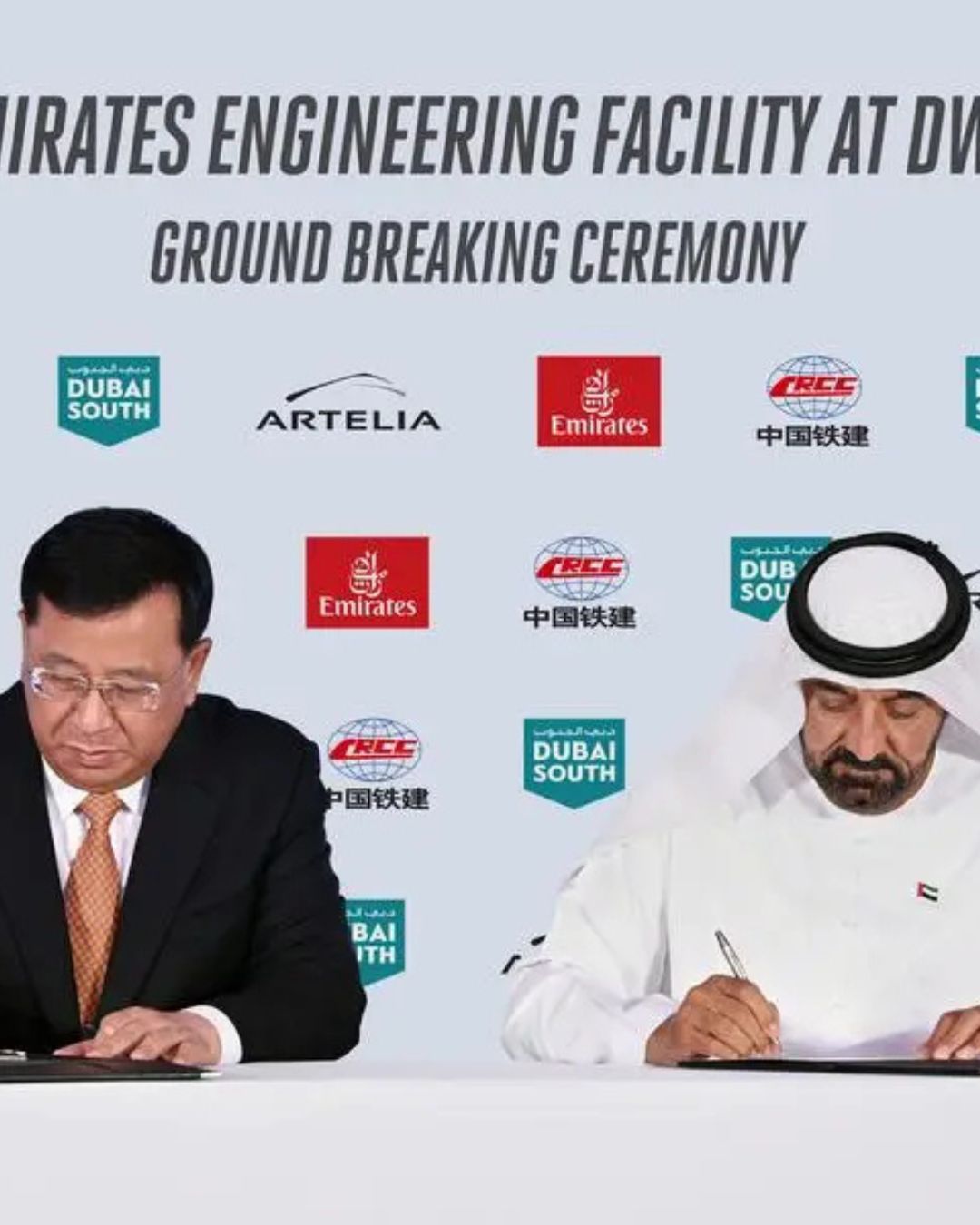
At the centre of that long-term strategy has been Sheikh Ahmed bin Saeed Al Maktoum, whose leadership style has often appeared noticeably quieter than the scale of the company itself. Unlike many global executives tied closely to public visibility, Sheikh Ahmed became known more for steady expansion, long-term thinking and infrastructure development than personal publicity.
Today, his influence extends far beyond Emirates Airline alone. He also serves as Chairman of Dubai Airports and Dubai Integrated Economic Zones Authority, placing him at the centre of many systems powering Dubai’s economic growth and international connectivity.
The numbers themselves reflect the scale of what Emirates has become. In 2024, the Emirates Group reported record-breaking financial performance, with Emirates Airline generating billions in revenue while carrying more than 50 million passengers globally. Yet perhaps the airline’s greatest achievement is less financial and more symbolic.
Emirates helped make Dubai feel globally accessible.
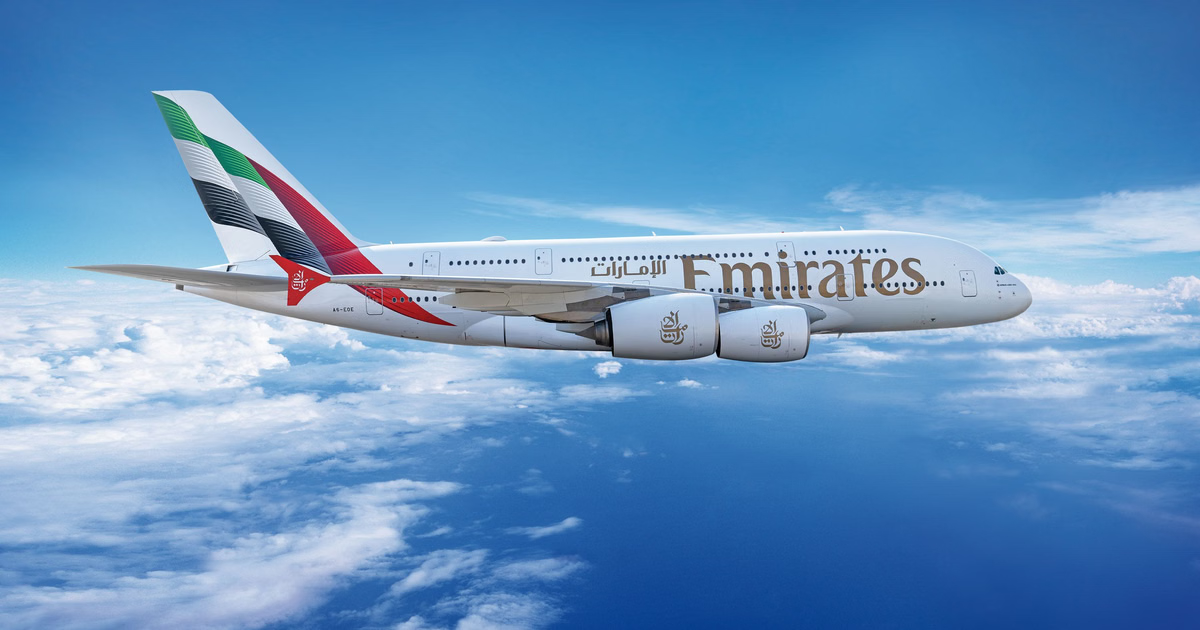
It transformed the city from a regional business hub into one of the world’s most connected destinations, linking East and West through aviation, tourism and commerce at a scale few cities have managed in such a short period of time.
And while Dubai continues investing heavily into its future through tourism, infrastructure and global business expansion, Emirates remains deeply tied to that vision.
Because in many ways, the story of Emirates is also the story of modern Dubai itself.