
Inside The World’s Most Remarkable Thrift Culture
For decades, luxury fashion sold the idea that newer was always better.
Japan quietly disagreed.
Today, the country has built one of the most sophisticated second-hand fashion markets in the world. In cities like Tokyo, Osaka and Kyoto, vintage boutiques and luxury resale stores attract everyone from students and fashion collectors to celebrities, stylists and international tourists searching for rare pieces. What was once considered "used" has become one of fashion's most desirable categories.
Walk into a Japanese vintage store and you quickly realise this is not thrift shopping as most people know it.
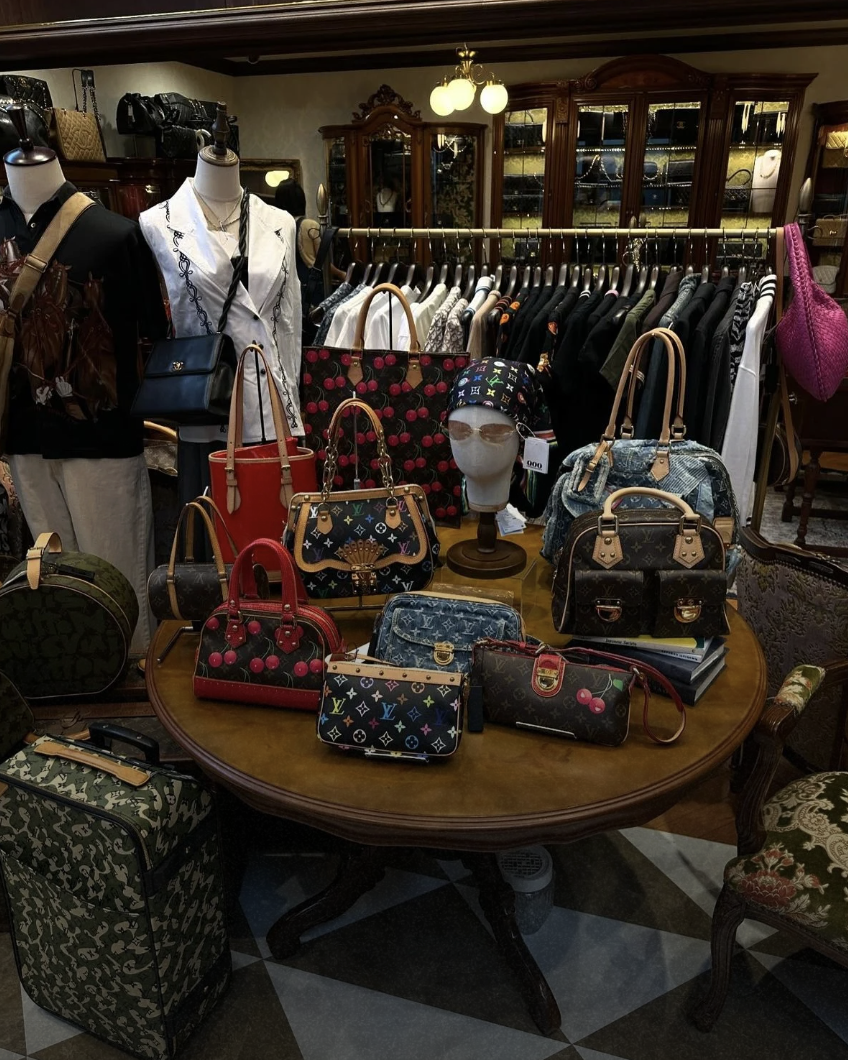
A 20-year-old Louis Vuitton bag may look untouched. A vintage Chanel jacket can appear as though it just left the atelier. Garments are carefully cleaned, restored, authenticated and displayed with the same attention given to luxury retail. In many stores, items are arranged more like museum pieces than second-hand products.
The culture behind it runs deeper than fashion.
Japan has long valued the principles of preservation, craftsmanship and respect for objects. Rather than discarding possessions, many consumers maintain them meticulously for years. The result is a resale market filled with products in exceptional condition, creating an ecosystem where pre-owned luxury often feels almost new.
This attention to quality has helped Japan become a global destination for luxury resale.
Neighbourhoods such as Omotesando, Harajuku, Shimokitazawa and Ginza have become famous for their concentration of vintage stores. Visitors travel specifically to browse archival Chanel handbags, rare Hermès pieces, vintage Rolex watches and discontinued Louis Vuitton collections that are difficult to find anywhere else in the world.
The appeal extends beyond price.
Fashion enthusiasts are increasingly drawn to individuality. In an era where trends move at the speed of social media, vintage shopping offers something luxury brands cannot always provide: uniqueness. A rare handbag from 2002 or a jacket from a past runway collection allows consumers to own something that few others have.
There is also a growing sustainability argument.
As conversations around overconsumption and fast fashion continue to dominate the industry, resale has evolved from a niche market into a major part of luxury retail. Younger consumers increasingly see second-hand shopping as both environmentally conscious and culturally relevant. Buying vintage extends the life of garments while reducing demand for constant new production.
Perhaps the most fascinating aspect of Japan's thrift culture is that it rarely feels like compromise.
In many parts of the world, second-hand shopping emerged from necessity. In Japan, it became an art form. Stores are curated, products are authenticated, and the shopping experience often rivals that of flagship luxury boutiques. The hunt itself has become part of the appeal.
As global fashion continues to embrace resale, Japan remains years ahead of the curve.
It proved something the luxury industry is only now fully embracing:
Sometimes the most desirable item in the room isn't the newest one.
It's the one with a story.