MAMA’ESH
In a country where new restaurants arrive almost every week, longevity is rarely just about having good food. It is about creating something people understand, return to and eventually make part of their routine.
For MAMA’ESH, that something was Palestinian street food.
What began as a simple idea centred around the neighbourhood bakery experience has grown into one of the UAE’s most recognisable homegrown Palestinian food concepts. Built around fresh mana’eesh, traditional flavours and an unmistakable sense of familiarity, MAMA’ESH has shown that some of the strongest hospitality ideas are not necessarily the most complicated.
Sometimes, they are the ones that know exactly what they are.
FROM THE STREET TO THE CITY
Mana’eesh has never needed much introduction across the Arab world.
Warm dough pulled straight from the oven, topped with za’atar, cheese, labneh or other familiar ingredients, is the kind of food that exists beyond trends. It is breakfast before work, something shared around a table, a quick meal in the afternoon and, for many, a taste connected to home.
MAMA’ESH took that everyday experience and built a contemporary UAE brand around it without stripping away the character that made it meaningful in the first place.
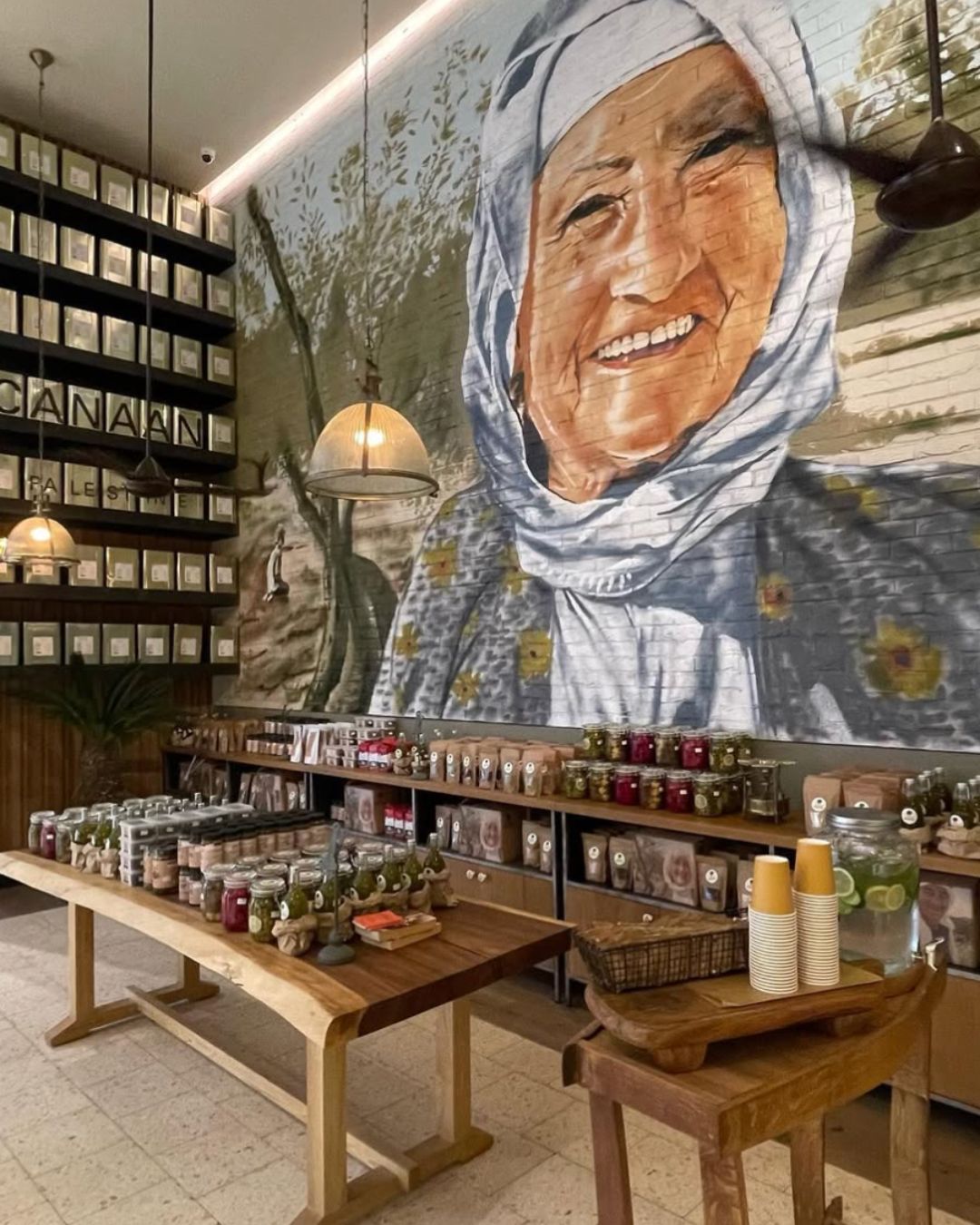
The result sits somewhere between a traditional Palestinian bakery and a modern neighbourhood eatery.
There is an accessibility to it that has helped the concept travel. You do not need to understand Palestinian cuisine in depth to walk in and enjoy a freshly baked mana’eesh. But for those who grew up with these flavours, there is another layer entirely: recognition.
That balance has become one of the brand’s greatest strengths.
PALESTINIAN IDENTITY AT THE CENTRE
Food can carry a remarkable amount of memory.
Recipes move between generations and across borders, often preserving parts of culture in ways that feel completely ordinary until they are no longer readily available.
For Palestinians living away from home, dishes such as musakhan, maqluba, hummus, falafel and mana’eesh are more than menu items. They are part of a culinary identity shaped by family, land, ingredients and tradition.
MAMA’ESH has placed that identity at the centre of its concept.
Rather than treating Palestinian food as something that needs to be reinvented for a modern audience, the brand's appeal comes from giving familiar food a contemporary platform.
That distinction matters.
At a time when hospitality is increasingly built around concepts designed to photograph well, MAMA’ESH's identity feels rooted in something deeper. The food existed before the brand did. The brand simply created a new space for it.
WHY IT WORKS IN THE UAE
The UAE is particularly suited to a concept like MAMA’ESH.
Its population is international, but there is also a deep familiarity with Levantine food. Za’atar, labneh, falafel, hummus and freshly baked bread already form part of the everyday dining vocabulary for many people living here.
MAMA’ESH entered that landscape with food that felt simultaneously familiar and specific.
It was approachable enough for a broad audience while remaining unmistakably Palestinian.
That is an important difference in a market crowded with restaurants attempting to be everything to everyone. MAMA’ESH has built recognition by doing almost the opposite: establishing a clear culinary identity and remaining close to it as the business has grown.
And growth changes a restaurant.
One location can rely heavily on the people behind it. Multiple locations require systems, consistency and an ability to recreate the same experience repeatedly without allowing the brand to lose its personality.
For a food concept rooted in something as emotional as home cooking and street food, that balance becomes even more important.
MORE THAN MANA’EESH
It would be easy to define MAMA’ESH by the dish embedded in its name, but its success points to something larger happening within the UAE's food culture.
Consumers increasingly want stories behind what they eat.
They want to know where dishes come from, why ingredients are used and what a restaurant represents beyond its interiors. At the same time, regional cuisines are being given greater space to exist on their own terms.
Palestinian cuisine is part of that conversation.
Through food, diners encounter traditions that have travelled through families for generations. Olive oil, za’atar, sumac, bread and vegetables become ingredients, but also markers of place and heritage.
A casual meal can therefore become a small act of cultural discovery.
And perhaps that is why MAMA’ESH has resonated.
You can walk through the door simply because you want something warm from the oven. You can stay because the food is comforting. But somewhere within that experience is a story much older than the restaurant itself.
A HOMEGROWN UAE SUCCESS STORY
The rise of MAMA’ESH also reflects the evolution of the UAE's own hospitality landscape.
Some of the country's most interesting concepts today are not imported international names but businesses that were created here, shaped by the communities that live here and expanded alongside them.
MAMA’ESH belongs to that generation.
Its story demonstrates how cultural authenticity and commercial growth do not have to exist on opposite sides of the table. A restaurant can scale without abandoning the reason people connected with it in the first place.
The formula sounds deceptively straightforward: good ingredients, fresh bread, familiar flavours, accessible prices and a strong identity.
But simplicity is difficult to execute well.
In an industry constantly searching for the next big concept, MAMA’ESH built its success around something far more enduring — food people already loved.
And in doing so, it turned the Palestinian neighbourhood bakery into a distinctly UAE success story.
MAMA’ESH
Palestinian food, baked fresh and served with a story that stretches far beyond the table.