At the 2026 Met Gala, menswear didn’t just show up—it engaged. Under the theme “Fashion Is Art,” the red carpet became less about traditional tailoring and more about interpretation, with designers and their muses using the male form as a deliberate canvas. The result? A night where classic codes of menswear were stretched, reworked, and, in many cases, entirely rewritten.
Gone was the expectation of safe black tuxedos. In its place stood a spectrum of looks that ranged from precise and restrained to unapologetically expressive. This was menswear operating in dialogue with art—sometimes subtly, sometimes quite literally.
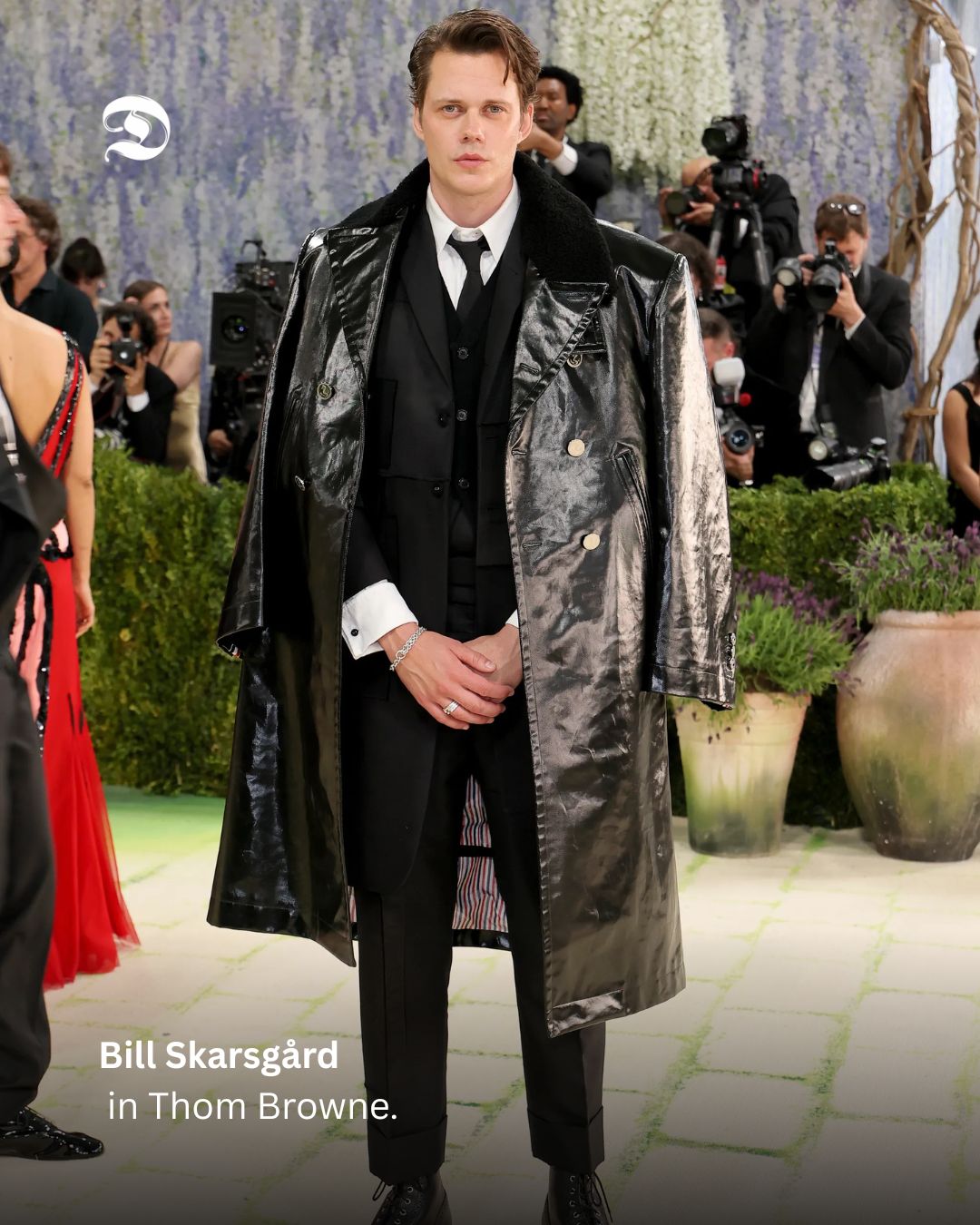
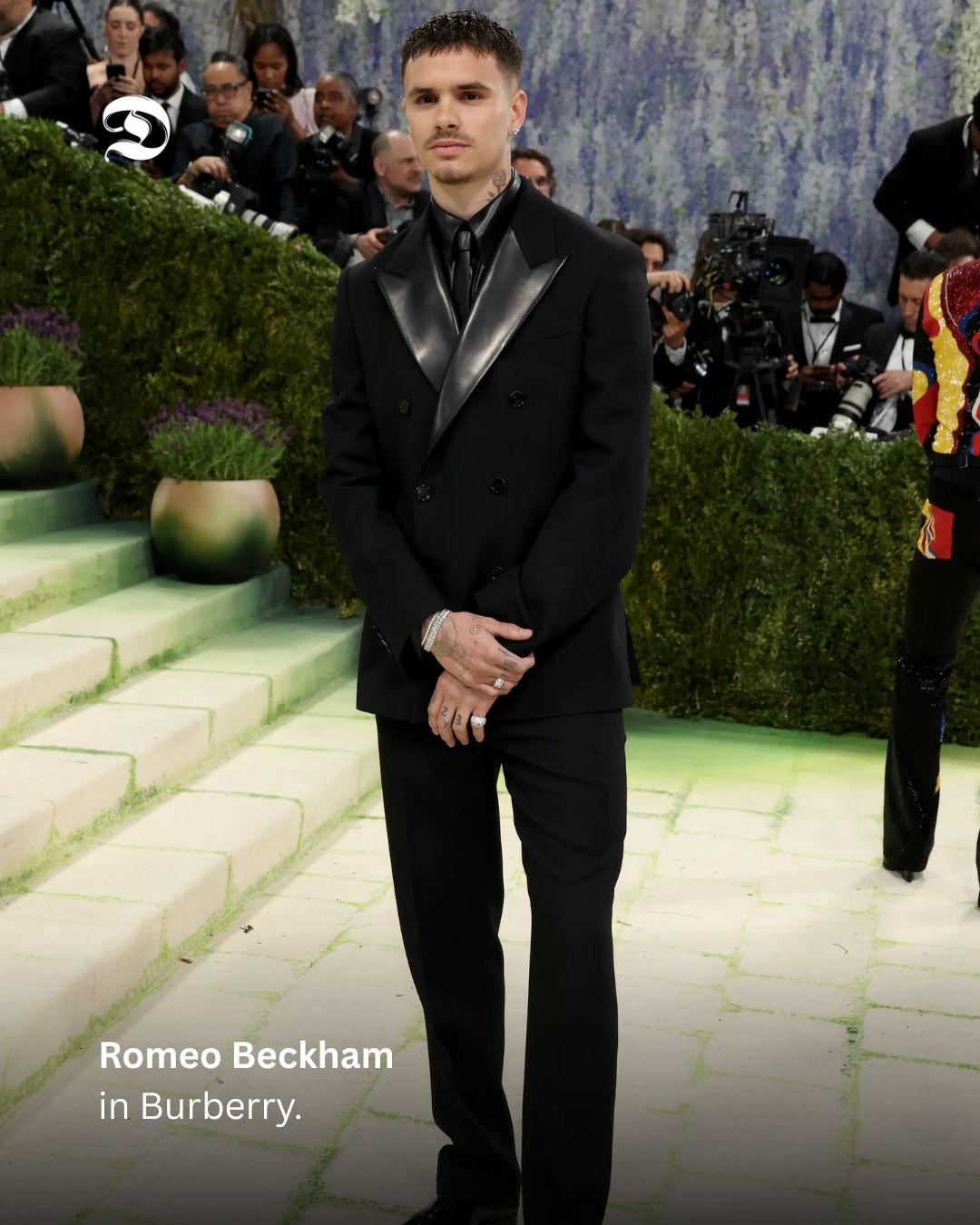
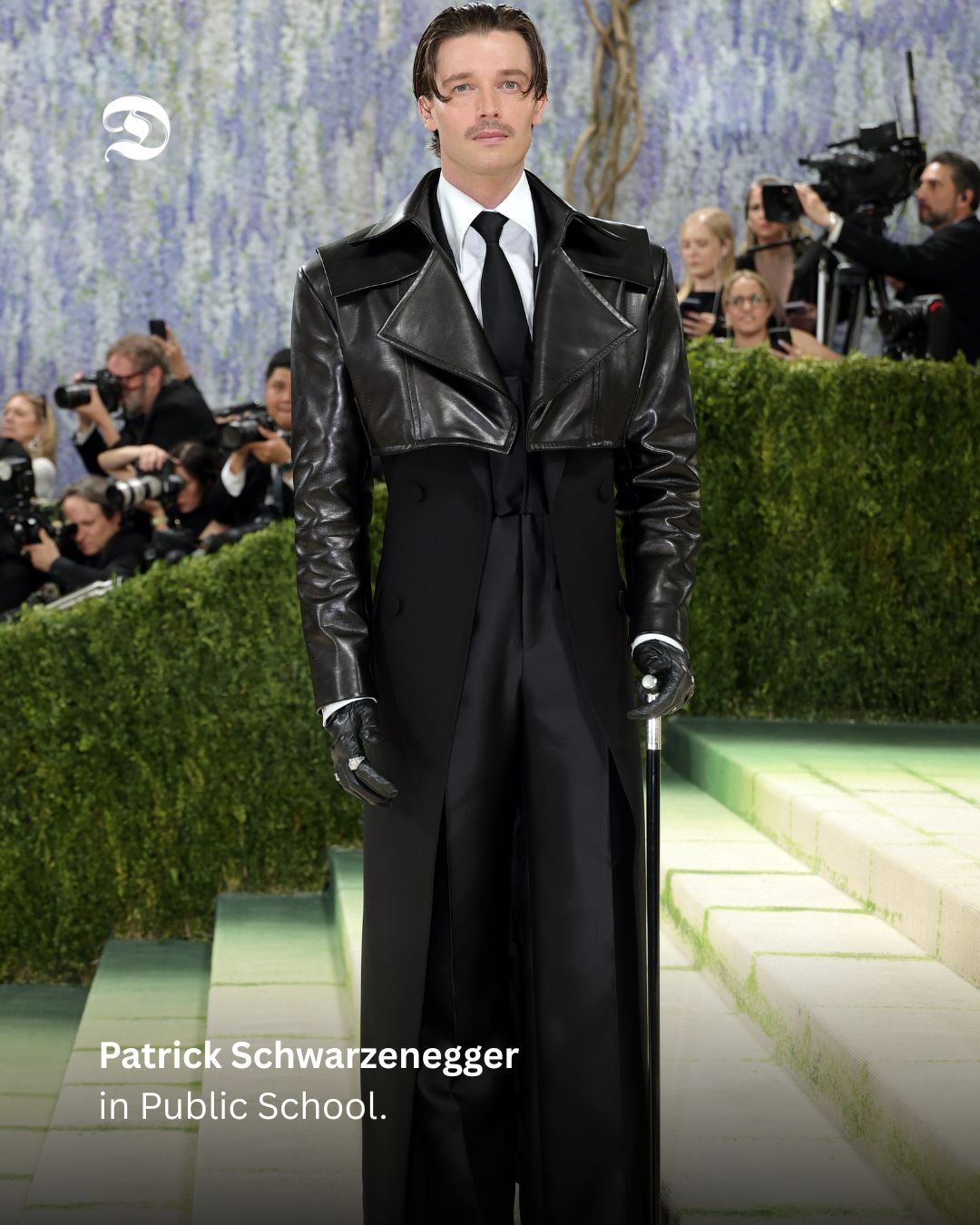
Take the spectrum of tailoring on display. For some, the brief translated into architectural precision: sharply cut black suits, elongated coats, and high-shine leather outerwear that played with proportion and structure. These looks leaned into minimalism but carried a sculptural quality, proving that simplicity—when executed with intent—can still feel artistic. The emphasis was on form, silhouette, and finish, echoing the clean lines of modernist design.
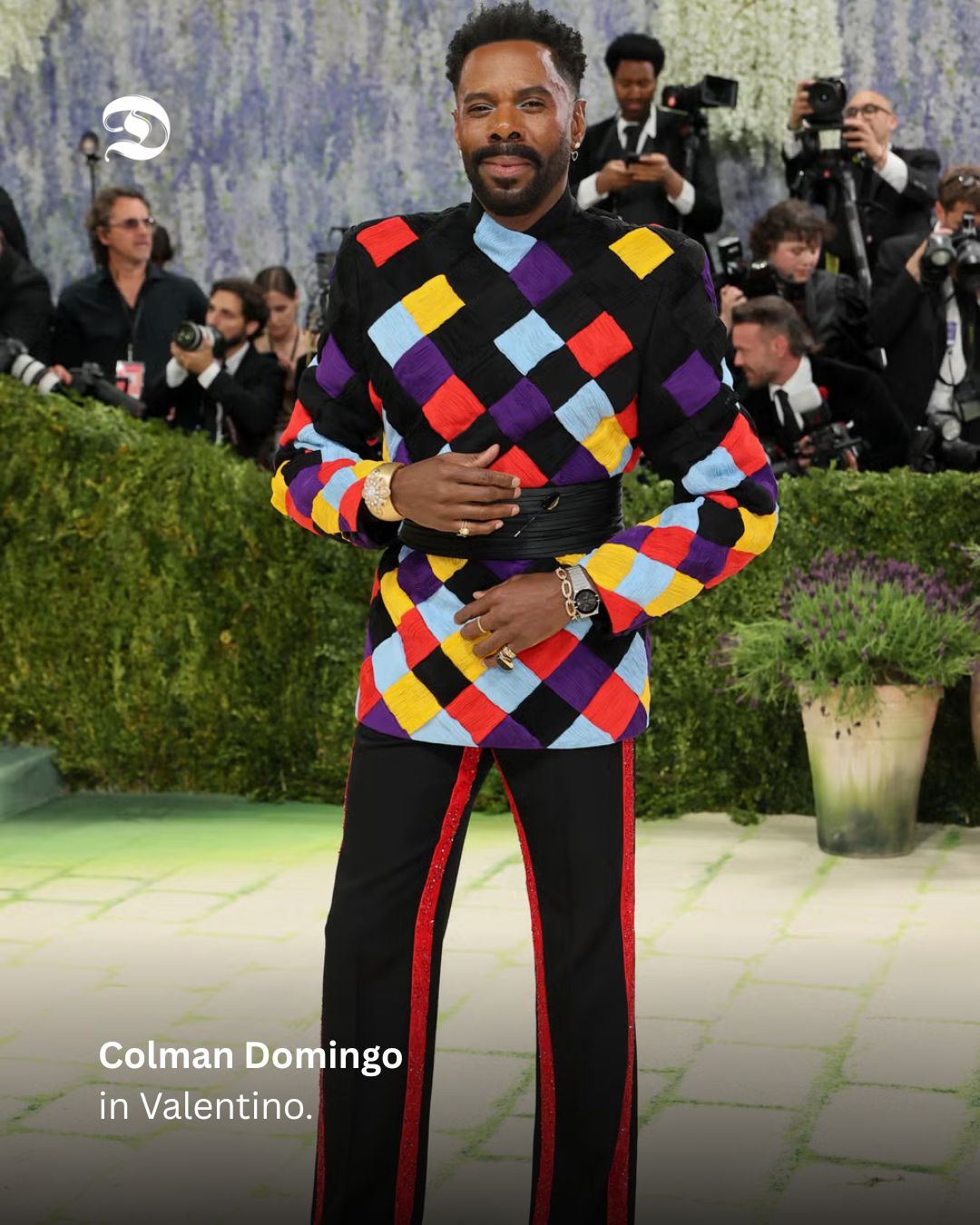
Elsewhere, the conversation shifted toward texture and embellishment. Rich fabrics, layered details, and intricate surface work introduced a more tactile dimension to the red carpet. A standout example came in the form of bold pattern play—most notably a vibrant, diamond-patterned ensemble that rejected neutrality entirely. It felt graphic, almost painterly, as if pulled straight from a contemporary canvas and reinterpreted in textile form. In a sea of darker palettes, it made a clear case for color as a form of expression.
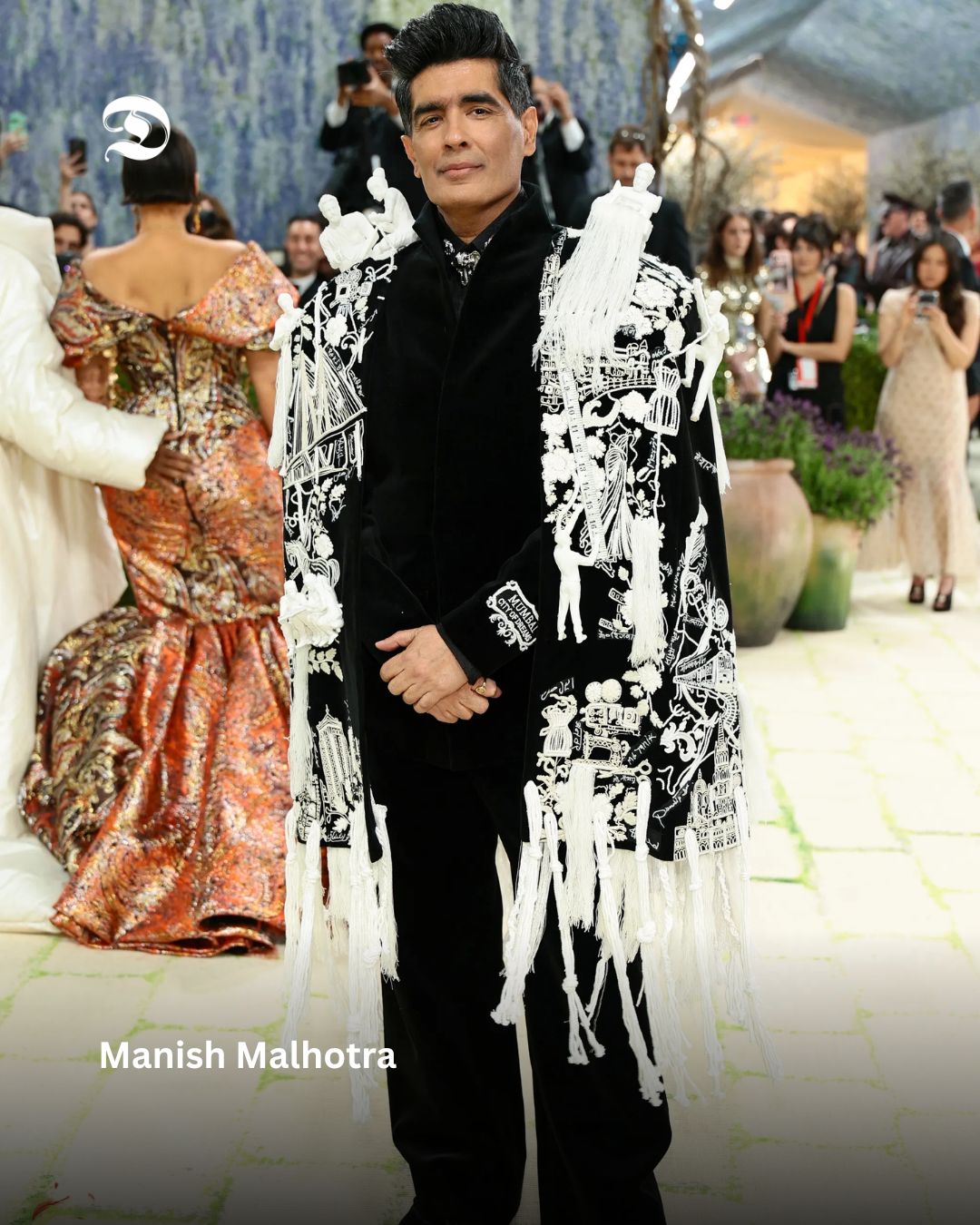
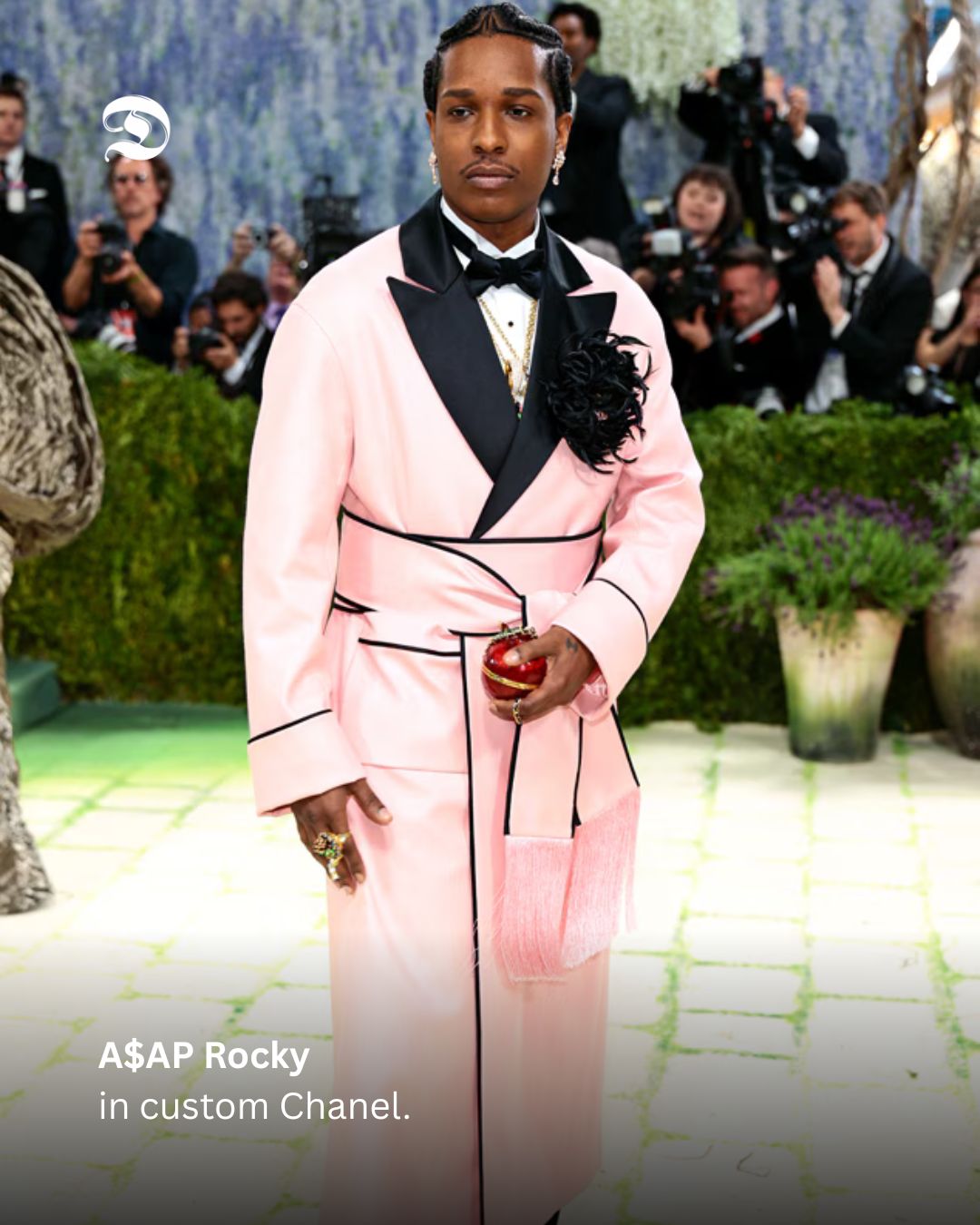
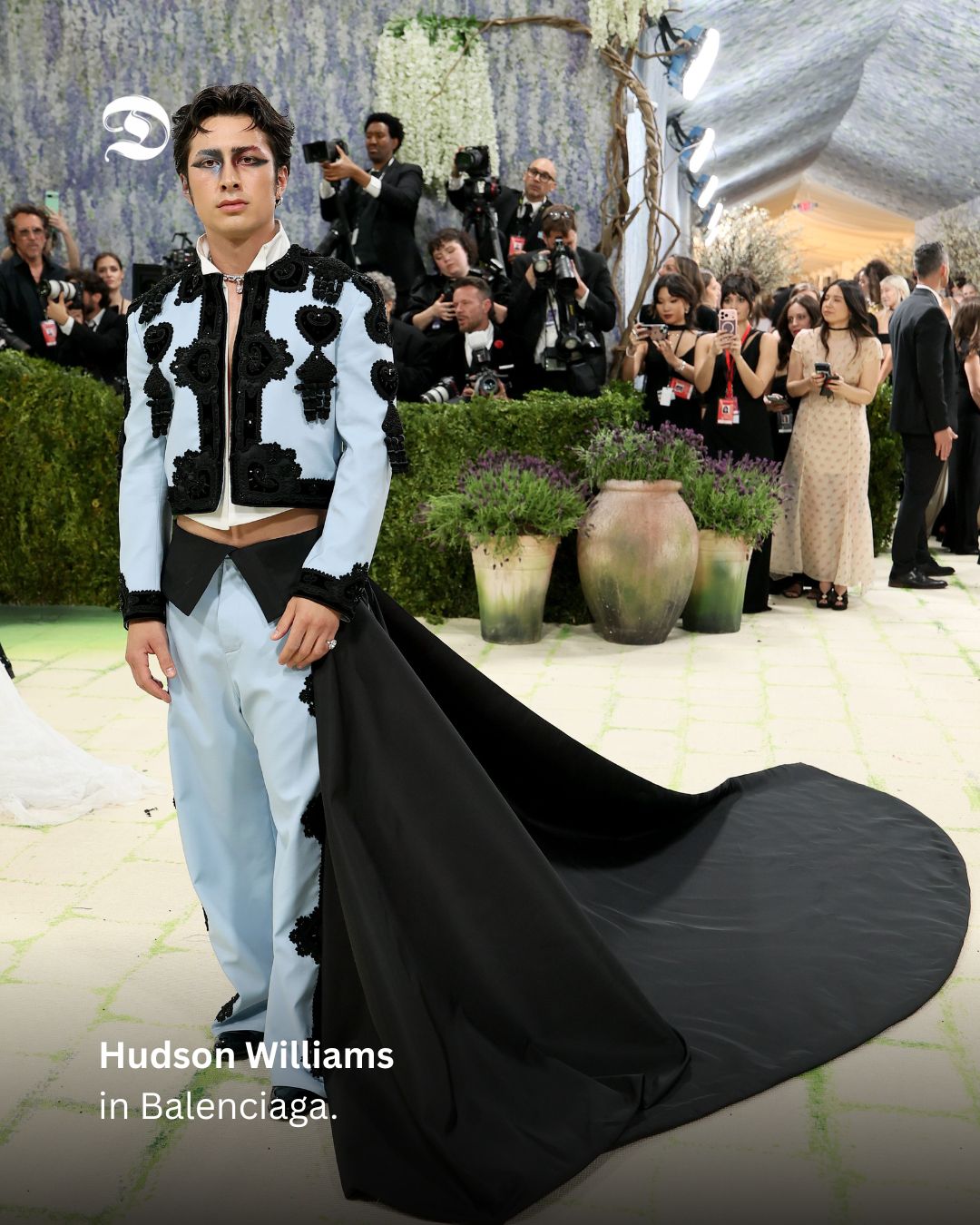
Then there were the looks that embraced theatricality. Flowing elements, exaggerated proportions, and dramatic layering pushed beyond the boundaries of traditional menswear. One ensemble, featuring cascading white embellishments, blurred the line between garment and installation piece—less about wearability, more about impact. Another look paired a sharply tailored base with a sweeping train, challenging the long-held notion that drama on the red carpet is reserved for womenswear.
What stood out most, however, was the balance between homage and individuality. While some interpretations appeared to draw from recognizable artistic references—be it sculpture, classic portraiture, or contemporary abstraction—others approached the theme more conceptually. The idea of the “dressed body” as art, as highlighted by the Costume Institute’s exhibition, came through in the way these looks interacted with movement, posture, and presence.
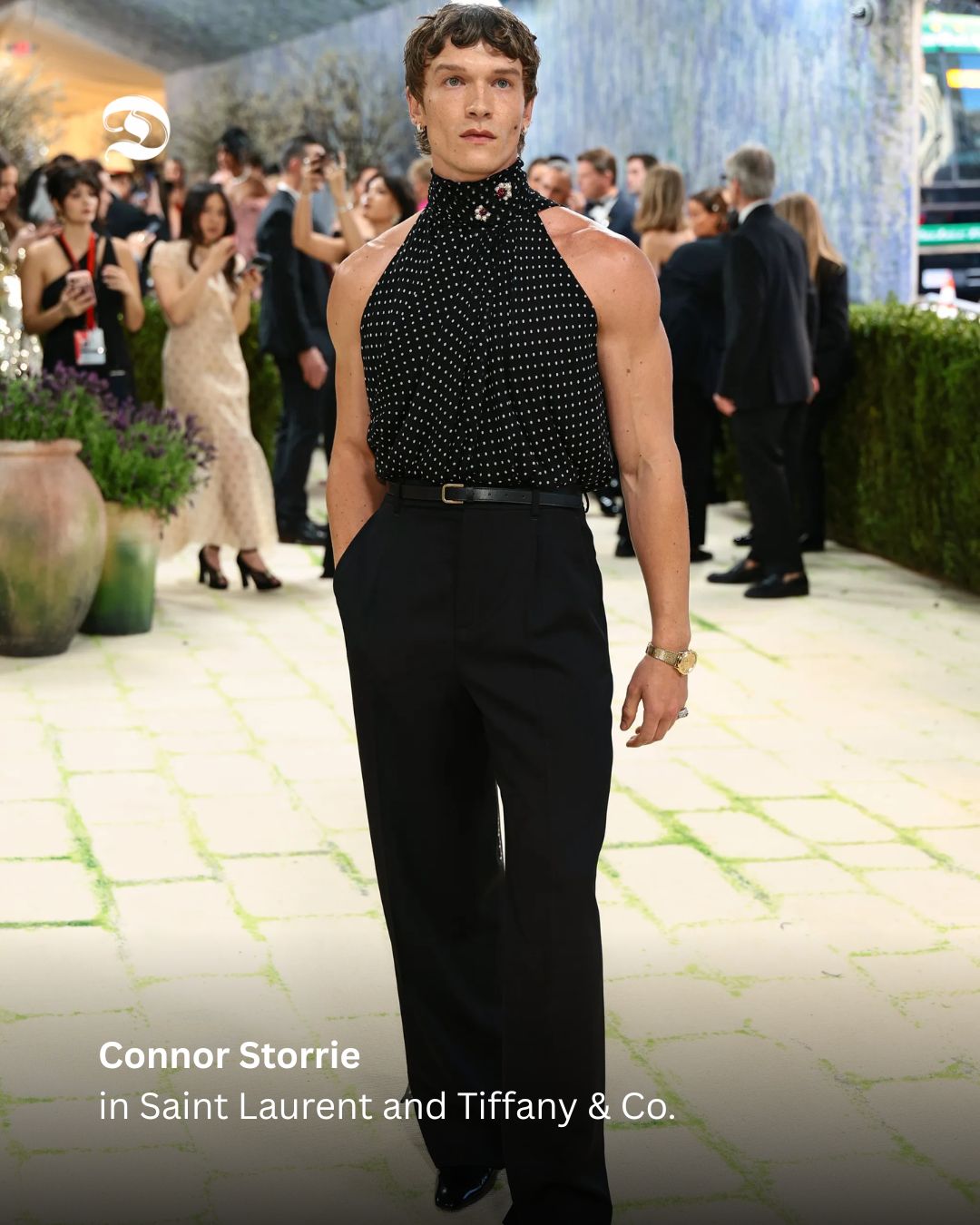
Accessories, too, played a crucial role. Gloves, statement footwear, and subtle embellishments elevated otherwise restrained outfits, reinforcing the idea that artistry often lies in the details. Even within monochromatic palettes, there was a clear focus on finish—matte versus gloss, soft versus structured—creating visual depth without overwhelming the silhouette.
Ultimately, the 2026 Met Gala marked a continued evolution of menswear on the red carpet. No longer confined to tradition, it has become a space for experimentation, narrative, and risk. The men who stood out this year weren’t necessarily the loudest or the most extravagant—they were the ones who understood the assignment and translated it with clarity, whether through bold expression or quiet precision.
If anything, the night proved that menswear is no longer playing catch-up. It’s carving out its own space within the broader conversation of fashion as art—one look, one statement, one interpretation at a time.

.jpg)