
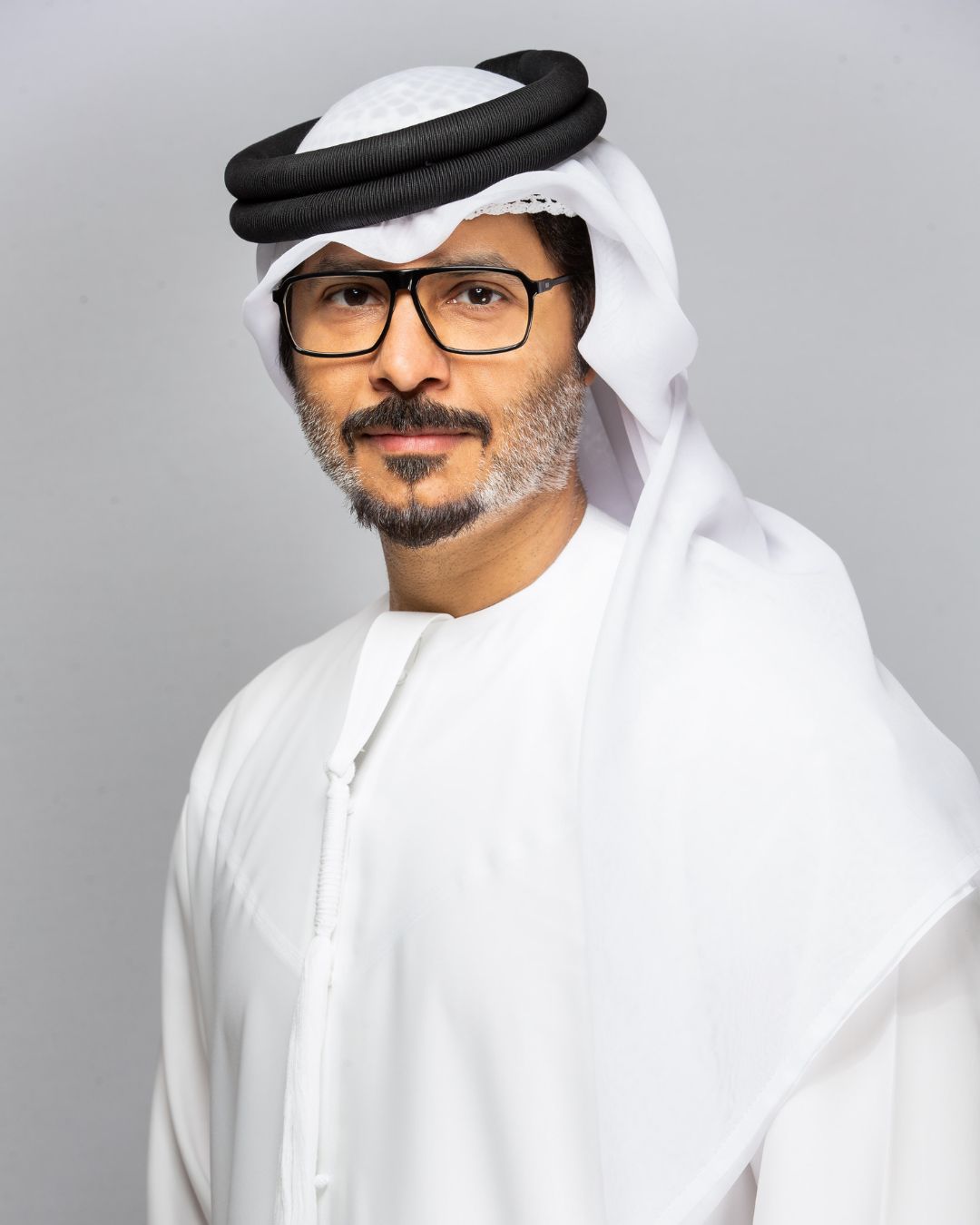
Mohamed Hilal
Before fragrance, before hospitality, before luxury lifestyle experiences spread across the UAE, was part of the first generation of Emirati pilots flying for Emirates Airline.
It was a career associated with prestige, discipline and national ambition during a transformative period for the UAE. Aviation represented the future of the country at the time — a rapidly modernising nation beginning to position itself on the global stage.
But eventually, Mohamed Hilal left the skies behind entirely.
Not to enter another traditional industry, but to build something far more emotional and deeply personal: a world rooted in scent, identity, memory and experience.
What began with perfumery would eventually evolve into one of the UAE’s most recognisable homegrown lifestyle groups — spanning fragrance, hospitality, retail and cultural experiences.
At the centre of that journey was a simple but powerful idea:
people do not only remember places visually.
They remember them emotionally.
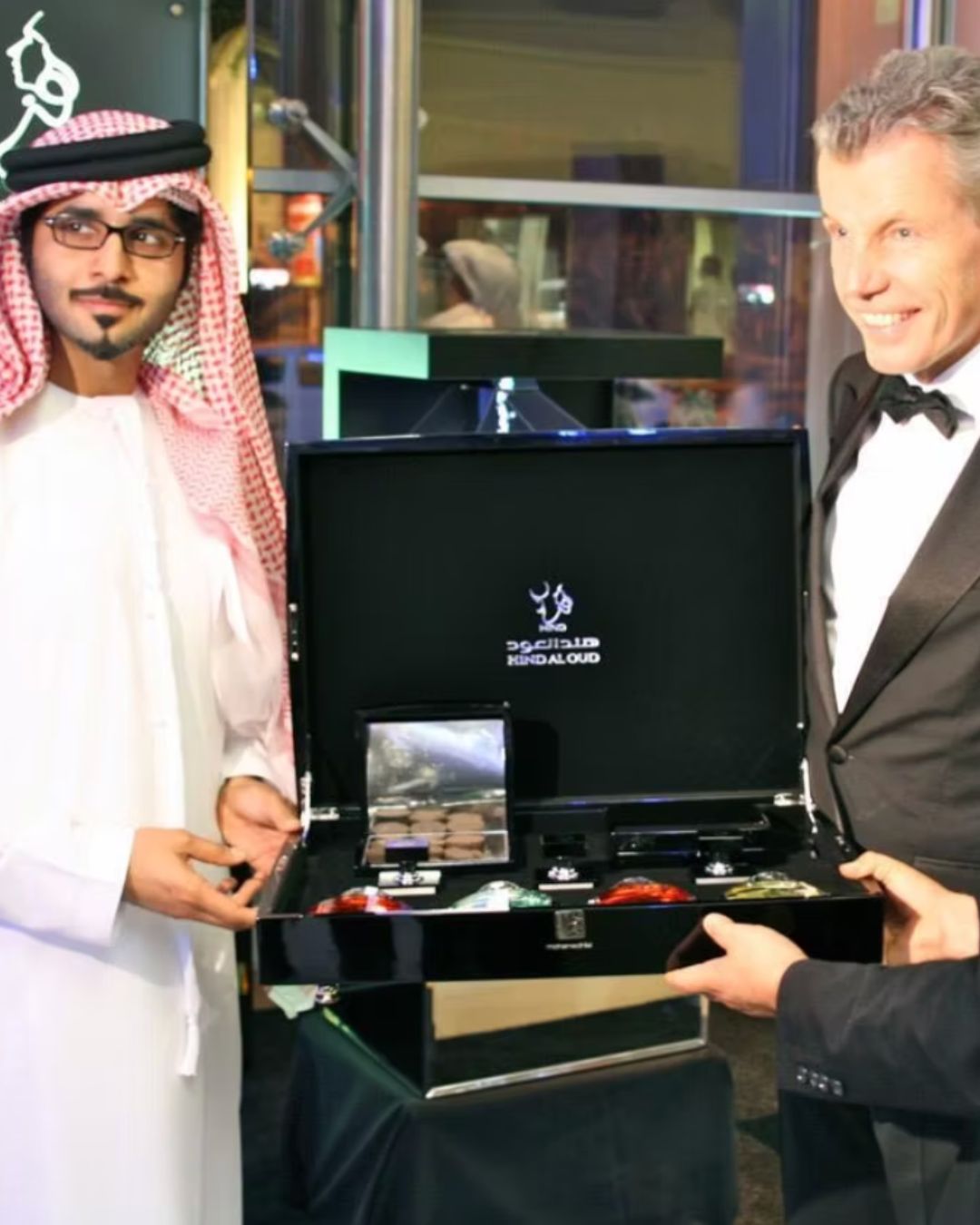
And scent has always carried emotion differently from anything else.
That belief became the foundation for brands such as , and fragrance houses that approached perfumery not simply as luxury products, but as storytelling.
Each carried a distinct identity. Each explored memory, mood and cultural emotion differently. And each helped reshape how Emirati luxury could present itself in a modern context.
At a time when the regional luxury industry was still heavily dominated by international brands, Mohamed Hilal focused on creating concepts rooted in local identity while remaining globally relevant.
That balance became one of the defining characteristics of his work.
The fragrances felt unmistakably connected to the Gulf through oud, incense, spices and oriental notes, yet the branding, storytelling and retail experiences felt contemporary and internationally polished.
Rather than imitating Western luxury, the brands developed their own emotional language entirely.
Over time, the vision expanded beyond perfume.
Restaurants, cafés, concept spaces and hospitality experiences gradually became part of the wider Mohamed Hilal Group ecosystem — all connected through a similar philosophy of atmosphere, emotion and sensory storytelling.
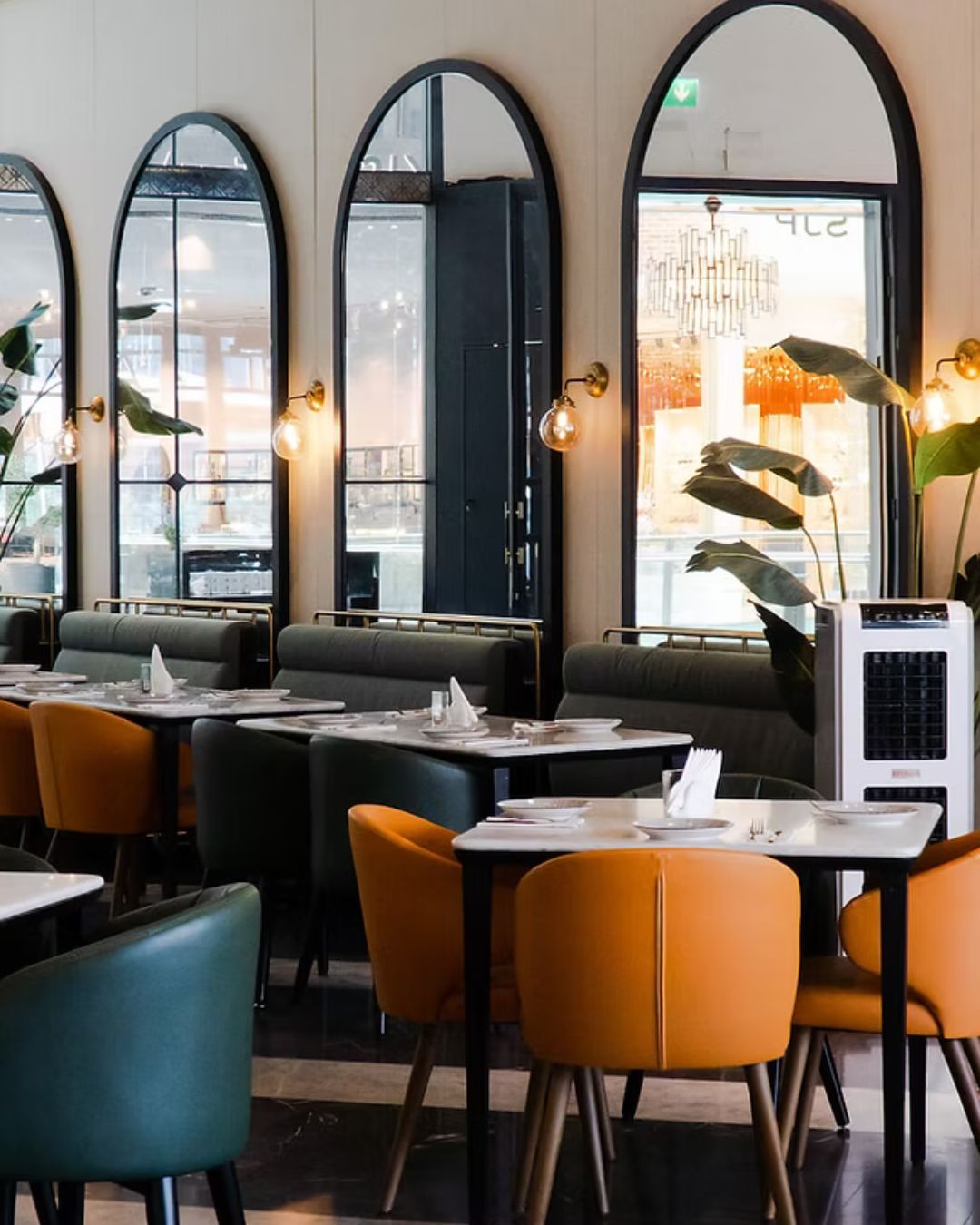
Whether through scent, interiors, music or hospitality, the goal remained consistent:
to create experiences that people feel rather than simply consume.
This emotional approach to branding became increasingly influential within the UAE’s growing luxury and lifestyle industries. Long before “experiential luxury” became global marketing language, Mohamed Hilal was already building businesses around mood, memory and cultural connection and perhaps that is what made his work stand apart. Nothing felt transactional. Everything felt curated.
Even the physical spaces associated with the brands carried a strong sense of identity, carefully designed environments where architecture, fragrance and hospitality worked together to create emotional immersion.
As the UAE itself evolved into a global centre for luxury, tourism and design, the Mohamed Hilal Group grew alongside it. But unlike many modern luxury businesses built around visibility and scale, the group often moved quietly — expanding through atmosphere, loyalty and cultural resonance rather than noise. That quieter approach became part of its appeal.
In 2013, Mohamed Hilal received a major UAE entrepreneurship recognition, reflecting the growing influence of the business empire he had built after leaving aviation behind.

Yet perhaps the most interesting part of his story is not simply the scale of the brands themselves. It is the shift they represented. Mohamed Hilal helped prove that luxury from the UAE did not need to imitate Paris, Milan or London to feel aspirational. It could emerge from Emirati identity itself. From regional memory. From oud, hospitality, storytelling and emotional experience. And in doing so, he helped shape an entirely different language for modern Gulf luxury.

One built less around excess and more around feeling.