
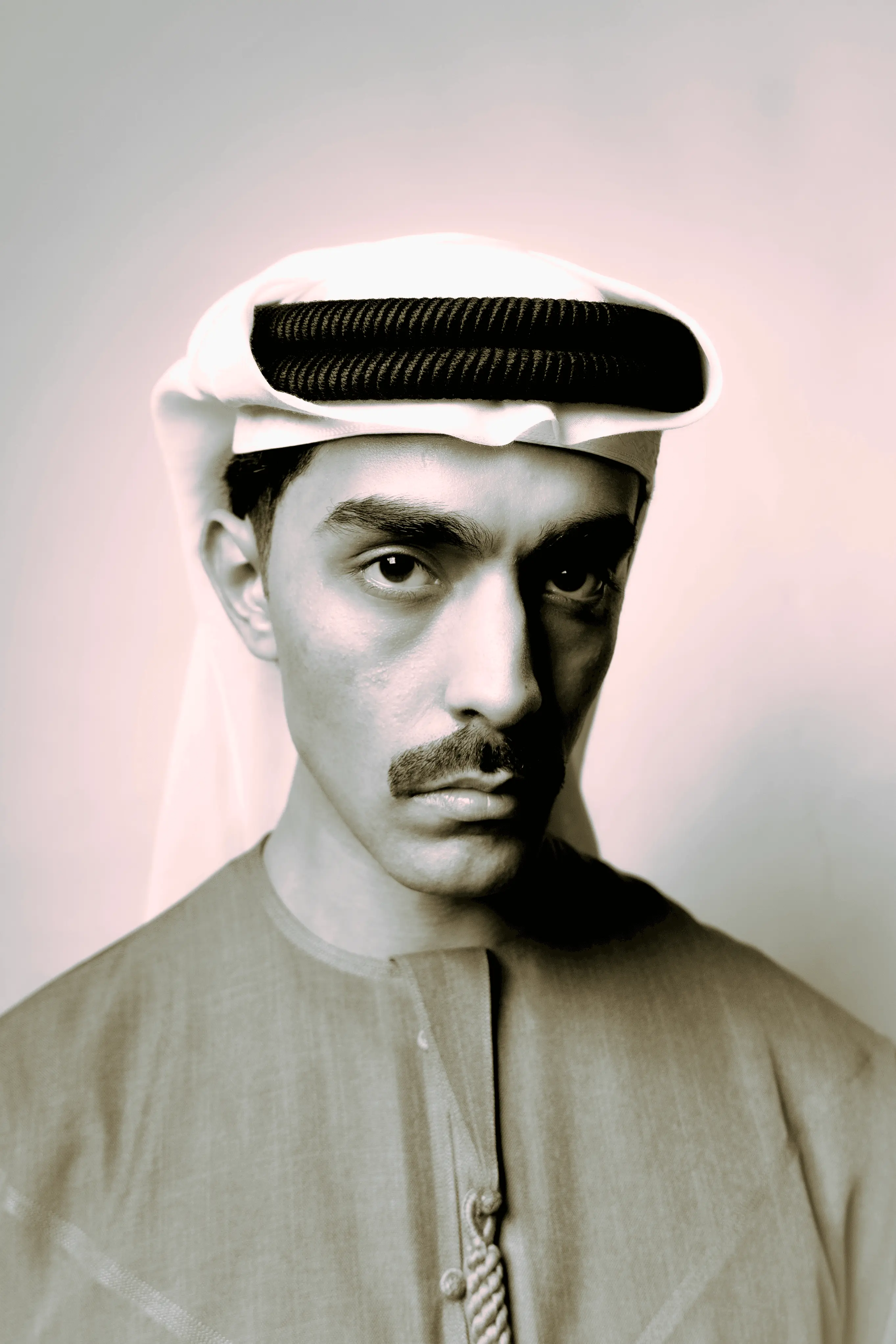
Omar Almahri and the Making of a New Emirati Lens
There’s a certain clarity that comes with time spent searching. For Omar Almahri, that process has never been linear. Before settling into film, his path moved restlessly—through photography, fashion, and image-making at large—each medium offering a different way of seeing, each leaving its imprint. What emerges from that trajectory is not a sudden shift, but a gradual sharpening of intent: a cinematic language shaped as much by exploration as it is by instinct.
Based in Abu Dhabi, Almahri began creating at a young age, first drawn to the act of documenting the world around him. What started as a personal archive slowly expanded into something more outward-facing, as he navigated the intersections of art and industry. Over time, his work found space within fashion and commercial contexts, building a visual sensibility attuned to composition, texture, and mood. Yet these early ventures never functioned as endpoints. Instead, they became part of a broader process—one that would eventually pull him toward film as a more expansive and immersive form of storytelling.
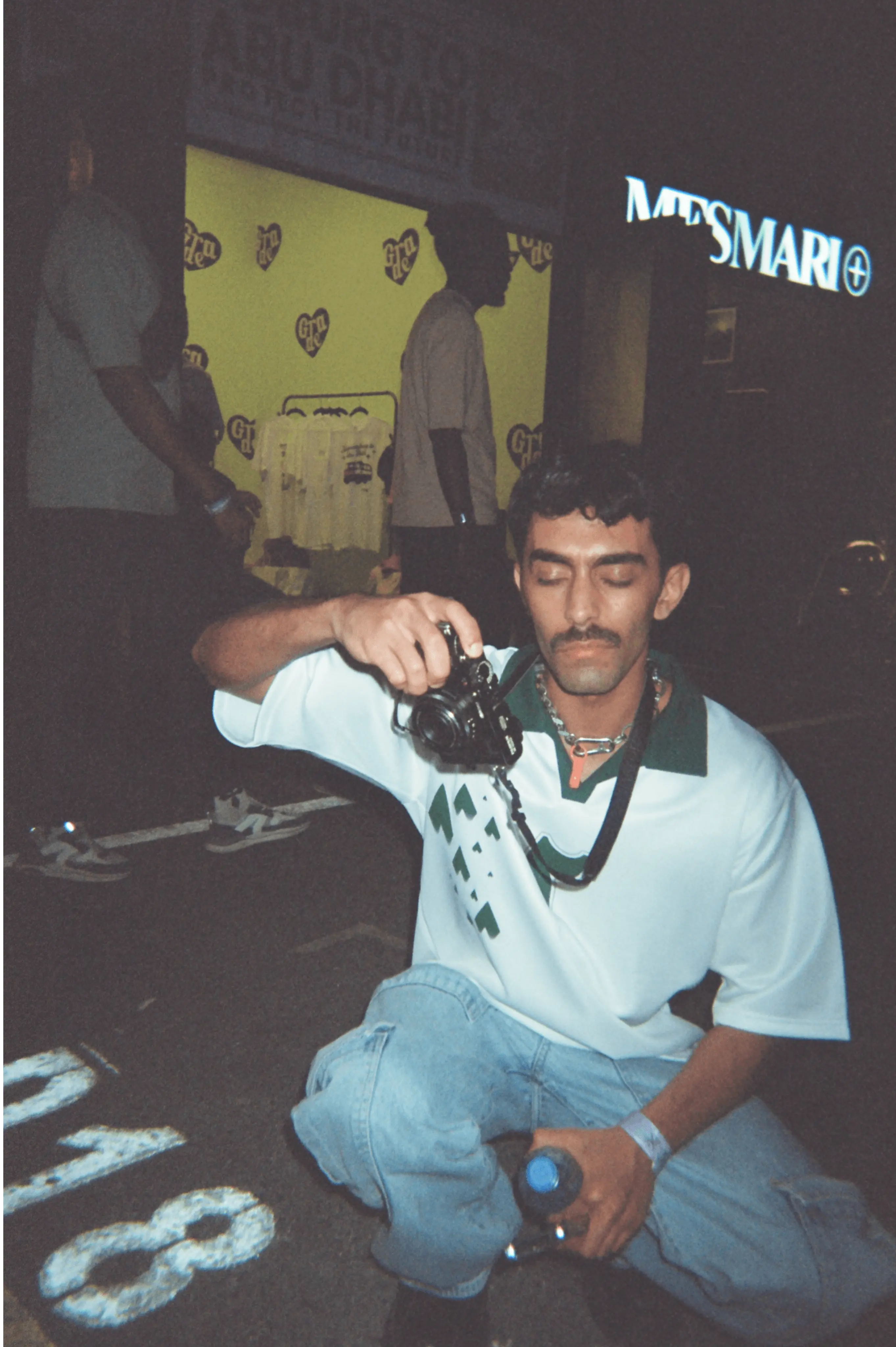
That background continues to shape his approach. There is a distinct visual awareness in his filmmaking, one that carries over from his time behind the camera in other disciplines. Frames feel considered but not rigid; images linger just long enough to suggest something beyond what is immediately visible. His work leans into atmosphere and emotional proximity, favouring subtlety over spectacle. In this, his films resist easy categorisation, sitting somewhere between narrative and feeling, documentation and interpretation.
But beyond form, there is a deeper motivation underpinning his practice. Almahri’s work exists within a wider conversation around representation—particularly the question of who gets to tell Emirati stories, and how those stories are framed. For years, much of the region’s visual narrative has been shaped by external perspectives, often overlooking the nuances that come with lived experience. His films begin to shift that dynamic, not through overt statements, but through the quiet insistence of authenticity.
This sense of responsibility is not treated as a burden, but as a point of grounding. His work draws from personal memory, cultural familiarity, and an awareness of the spaces he occupies—both physically and creatively. In doing so, it contributes to a broader movement of artists working to articulate more self-defined narratives, where identity is not simplified or translated, but expressed on its own terms.
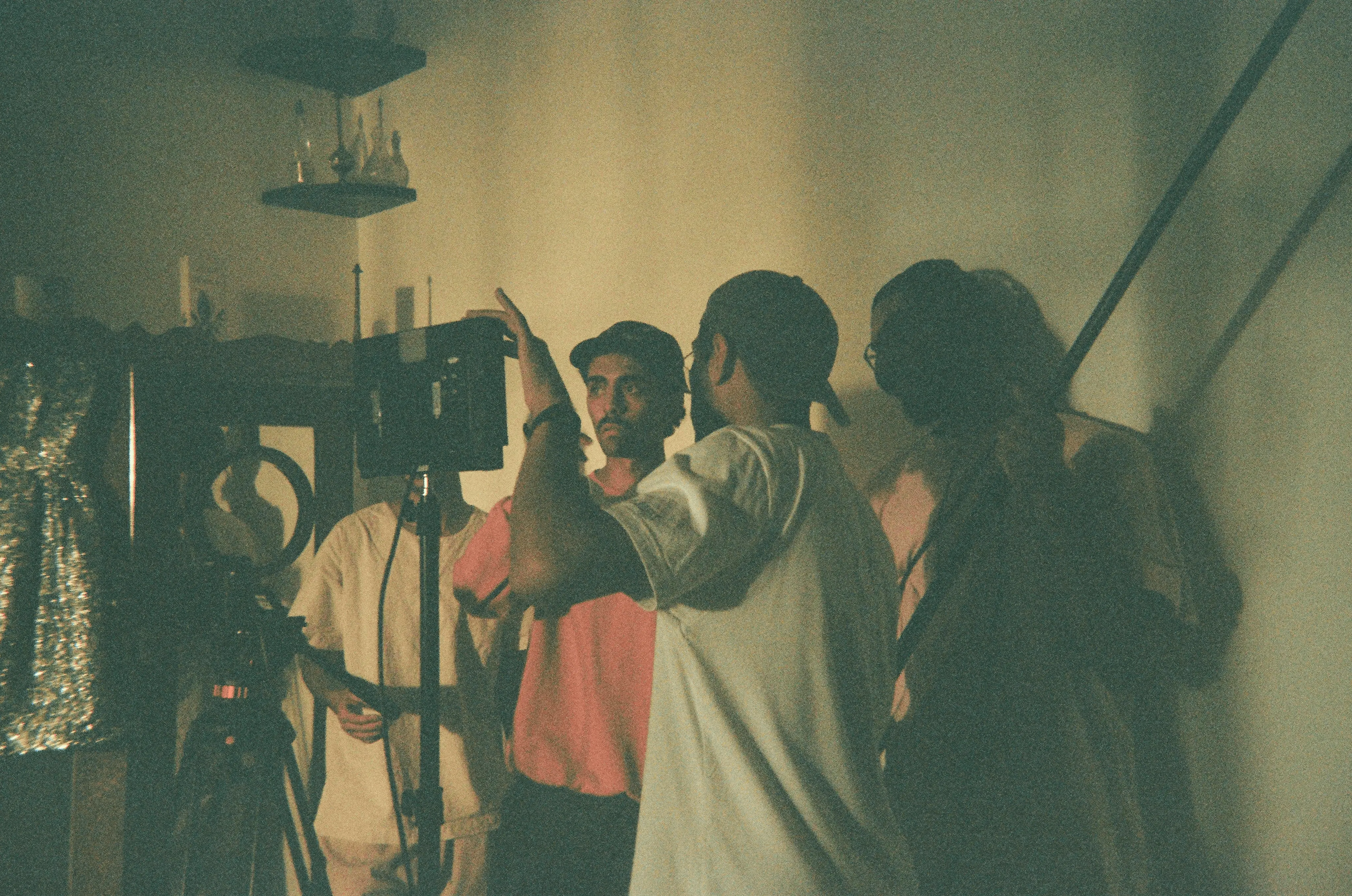
There is also a sense of accumulation in his trajectory—of ideas tested, aesthetics refined, and directions reconsidered. Rather than abandoning past influences, his current practice seems to absorb them, allowing earlier explorations to resurface in more controlled and deliberate ways. The result is a body of work that feels cohesive without being static, evolving without losing its core sensibility.
As his focus on film continues to deepen, Almahri’s work begins to occupy a more defined position within the region’s creative landscape. Not as a singular figure, but as part of a wider shift—one where Emirati voices are increasingly shaping the narratives that emerge from the UAE. Within that context, his contribution feels both personal and collective, grounded in individual experience while resonating beyond it.
What remains consistent is a commitment to process: to searching, refining, and reworking the image until it aligns with something more truthful. In that ongoing negotiation between past exploration and present clarity, Omar Almahri’s work continues to evolve—quietly, deliberately, and with intent.