
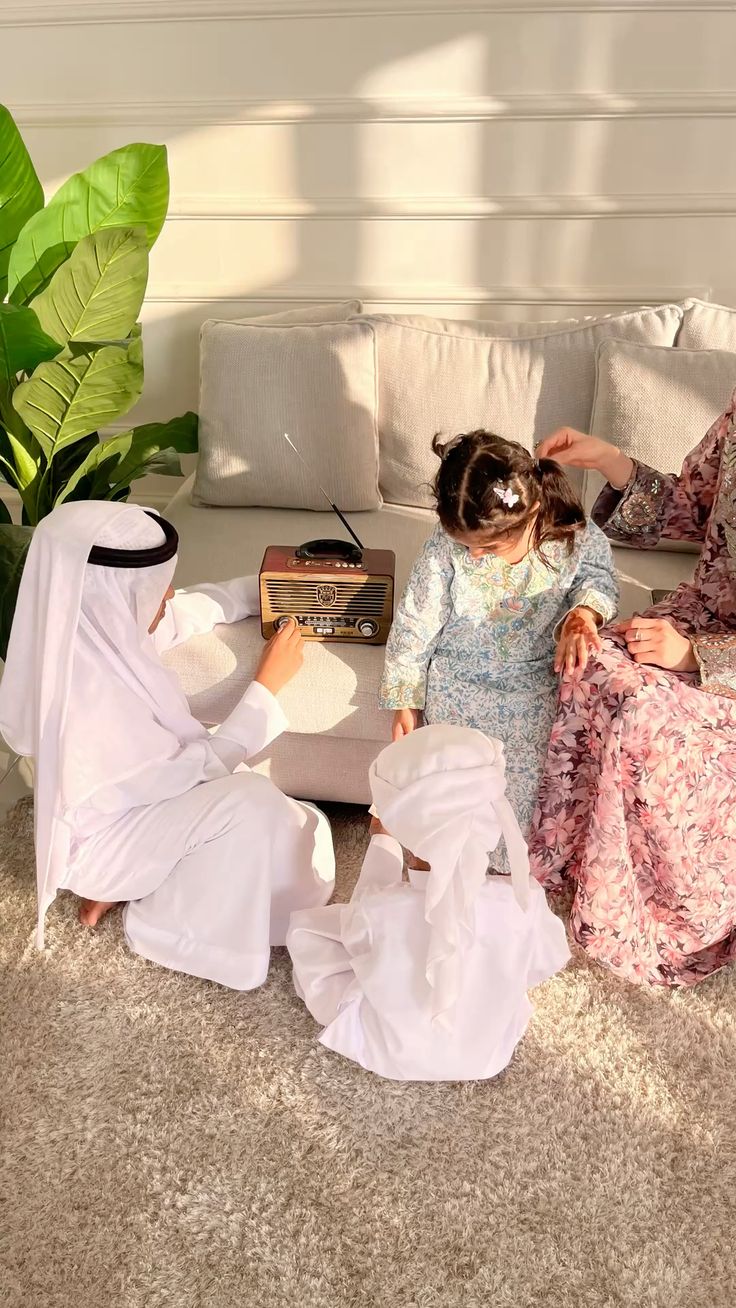
The Quiet Eid Traditions Emirati Families Still Protect Today
It lived inside homes.
Inside majlis conversations that stretched deep into the night. In the scent of oud moving slowly through hallways. In the ritual of preparing Arabic coffee before the first guests arrived. In the unspoken understanding that Eid was never only about celebration, it was about presence, family and continuity.
And despite how dramatically the UAE has transformed over the last few decades, many Emirati families still protect those traditions with remarkable intention.
Because for them, Eid is not simply an event on the social calendar, It is memory, It is identity, It is heritage carried forward quietly, year after year.
The Morning Begins Before The Guests Arrive
In many Emirati homes, Eid starts early.
Long before the visits begin, kitchens are already awake. The smell of saffron, cardamom and coffee fills the house while families prepare for a day that revolves around hospitality as much as spirituality.
New kanduras are carefully pressed. Abayas are prepared the night before. Perfume is chosen deliberately. Oud burners are lit room by room. There is care in every detail.
Not because anyone is trying to impress guests, but because Eid carries a sense of occasion that deserves respect.
For older generations especially, these rituals remain deeply emotional. They remember a version of the UAE before skyscrapers and luxury malls — when Eid celebrations were simpler, slower and centred almost entirely around neighbourhoods and extended family.
And even now, many continue those same routines unchanged.
The Majlis Still Sits At The Center Of Eid
While the UAE has become one of the world’s most modern societies, the majlis remains one of its most enduring cultural spaces. Especially during Eid. Families move from home to home throughout the day, sitting together over coffee, dates and conversation. Relatives who may not have seen one another for months reconnect. Elders are visited first. Children move through homes excitedly collecting sweets and gifts. Phones may be present, but they rarely become the focus. The atmosphere is slower than the outside world, more intentional. There is often no rush to leave.
And perhaps that is precisely what makes these gatherings feel increasingly valuable today.
In a culture moving rapidly toward hyper-connectivity and constant visibility, the majlis remains one of the few spaces where presence still matters more than performance.
Arabic Coffee Is Never Just Coffee
Few traditions capture Emirati hospitality more powerfully than the serving of gahwa. Arabic coffee during Eid is not transactional. It is ceremonial.
The preparation itself carries significance, from the roasting and brewing to the way the dallah is held and poured. Coffee moves continuously through the majlis as guests arrive and leave, accompanied by dates and conversation. Even younger generations raised between global influences and modern lifestyles continue to recognise the emotional importance of these moments.
Because the act of serving coffee is not simply about hospitality, it is about respect.
About welcoming someone properly into your space.
About preserving a rhythm of life that still defines the social fabric of the UAE.
The Scent Of Eid
Ask many Emiratis what Eid smells like, and the answer often arrives instantly.
Oud, Bakhoor, Rose, Amber, Musk.
Fragrance has always occupied a central place in Gulf culture, but during Eid it becomes something deeper than personal luxury. Homes are scented continuously. Guests are often welcomed with incense before conversation even begins.
Clothing carries traces of oud long after visits end.
Entire memories become attached to scent.
For many families, certain fragrances only appear during Eid gatherings, weddings or significant family occasions. The result is something almost cinematic — a smell capable of transporting someone back years in a single moment.
In the Gulf, scent is never just aesthetic, It is emotional architecture.
The Quiet Importance Of Eidiya
Perhaps no Eid tradition carries more excitement for children than Eidiya.
The ritual of giving money or gifts to younger family members remains one of the most beloved parts of Eid across the UAE and the wider Gulf.
Children often move from house to house greeting relatives respectfully, knowing small envelopes or crisp notes may be waiting for them. For older generations, the tradition represents more than generosity, it symbolises blessing, care and continuity between family members.
And while modern versions of Eidiya may now include luxury gifts, bank transfers or designer surprises, the emotional meaning remains unchanged.
For many Emiratis, receiving Eidiya as a child became one of their clearest memories of Eid itself, The excitement, The gathering of cousins, The counting of notes late at night, The feeling that Eid carried a certain magic impossible to recreate elsewhere.
Today, many adults continue the tradition not out of obligation, but because they understand what those moments become later in life:
Memory.
Why These Traditions Matter More Than Ever
The UAE is now globally recognised for its luxury hospitality, world-class dining and modern lifestyle culture.
And yet, beneath that rapid evolution, traditional Eid customs continue to survive quietly inside homes across the country.
Not because people reject modernity.
But because some traditions hold emotional value that progress cannot replace.
The majlis, coffee, family visits, scent of bakhoor moving through the hallways, small envelope handed to a child.
These rituals continue to ground people in something larger than trend cycles or social media moments.
They remind families where they came from.
And perhaps more importantly, who they are.
Because long before Eid became visible online, it existed privately, inside homes, between generations, carried through gestures so familiar they rarely needed explanation.
And in many Emirati households, that version of Eid still matters most.