
.jpg)
Travelling This Eid?
There are holidays you take to disconnect and then there are places that quietly change the way you feel entirely.
This Eid, luxury travel is moving away from crowded itineraries, overdesigned experiences and destinations built purely to impress. The new era of escape is slower, more intentional and deeply emotional. It is about waking up surrounded by silence in the middle of the Maldives, spending afternoons beside hidden gardens in Florence, disappearing into the stillness of Lake Como or finding complete privacy in the heart of Marrakech.
Today’s most extraordinary hotels are no longer simply places to stay. They have become sanctuaries of atmosphere, design, wellness and presence, destinations chosen not for visibility, but for how beautifully they allow you to disappear from the noise of everyday life.
From historic palaces and ultra-private islands to wellness-led retreats and architectural masterpieces, these are the escapes redefining luxury travel this Eid.
Passalacqua, Lake Como

Some hotels feel luxurious, Passalacqua feels cinematic.
Hidden along the shores of Lake Como inside an 18th-century villa, the property has quickly become one of the most desired stays in the world — not because it shouts for attention, but because every detail feels impossibly personal. Terraced gardens unfold toward the lake, interiors are filled with hand-painted ceilings and Murano chandeliers, and mornings begin with espresso overlooking the still water of northern Italy.
There is a softness to Passalacqua that makes time feel slower. Guests spend afternoons drifting between olive groves, private boat rides and long lunches beneath striped umbrellas while the surrounding mountains create a feeling of complete seclusion.
This is not the kind of luxury designed for performance. It is quiet, deeply romantic and intentionally private — the sort of place people return to not for the hotel itself, but for the feeling it leaves behind.
Raffles, Singapore
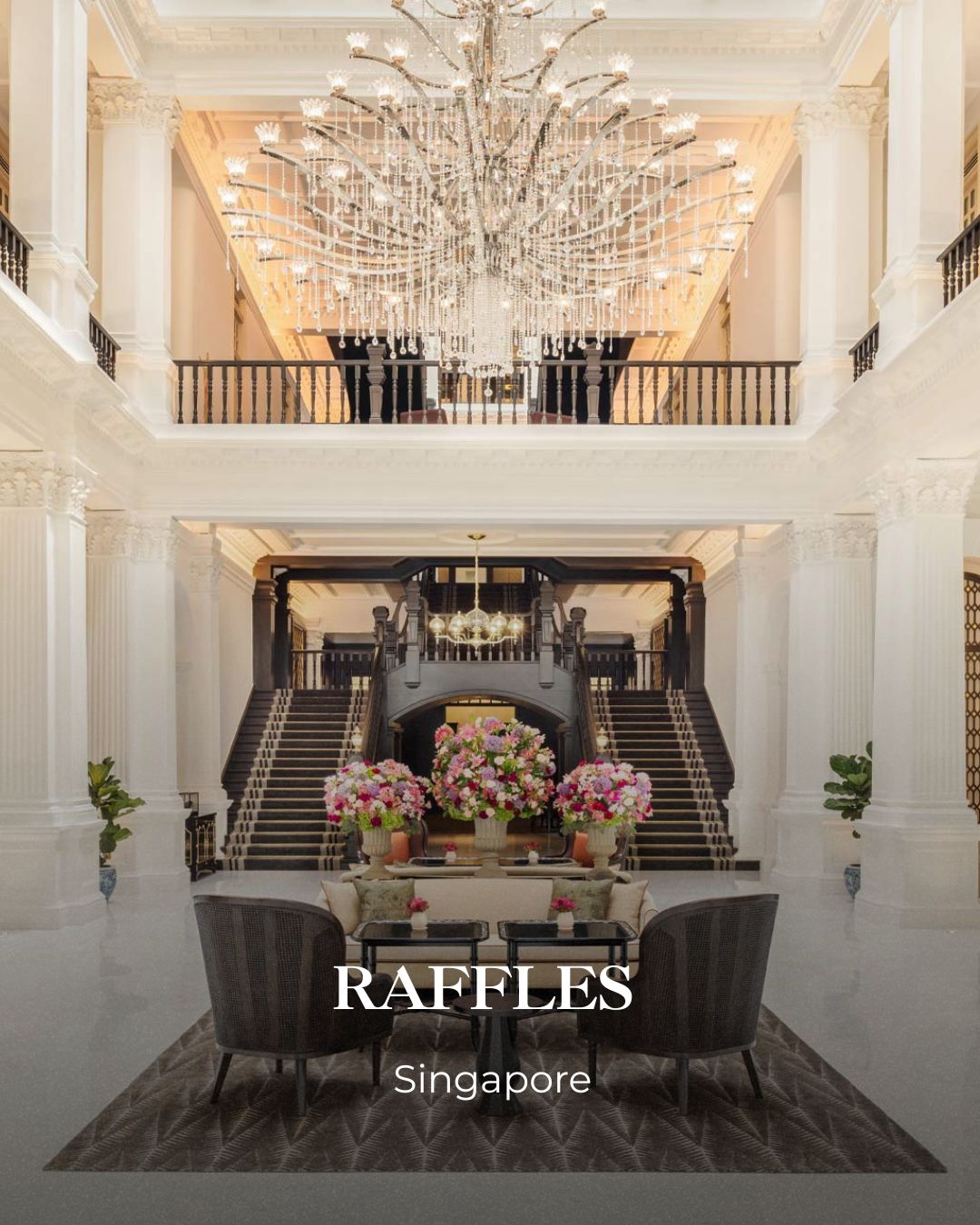
Very few hotels carry the cultural weight of Raffles.
For more than a century, the legendary Singapore property has remained one of the world’s great grand hotels — where colonial elegance meets contemporary Asian luxury. Walking through its white marble halls feels like stepping into another era entirely: soaring ceilings, endless verandas, crystal chandeliers and an atmosphere that somehow still feels intimate despite its global reputation.
But what makes Raffles extraordinary is not simply its history. It is the way the hotel preserves a sense of timelessness in the middle of one of the world’s fastest-moving cities.
Days here move gently. Breakfasts stretch longer than expected, afternoons disappear inside the spa and evenings begin beneath soft jazz and candlelight inside the famed Long Bar. Every suite feels residential rather than transactional, designed with a level of restraint modern luxury often forgets.
Raffles is not about excess. It is about elegance that never ages.
Chablé Yucatán, Chocholá
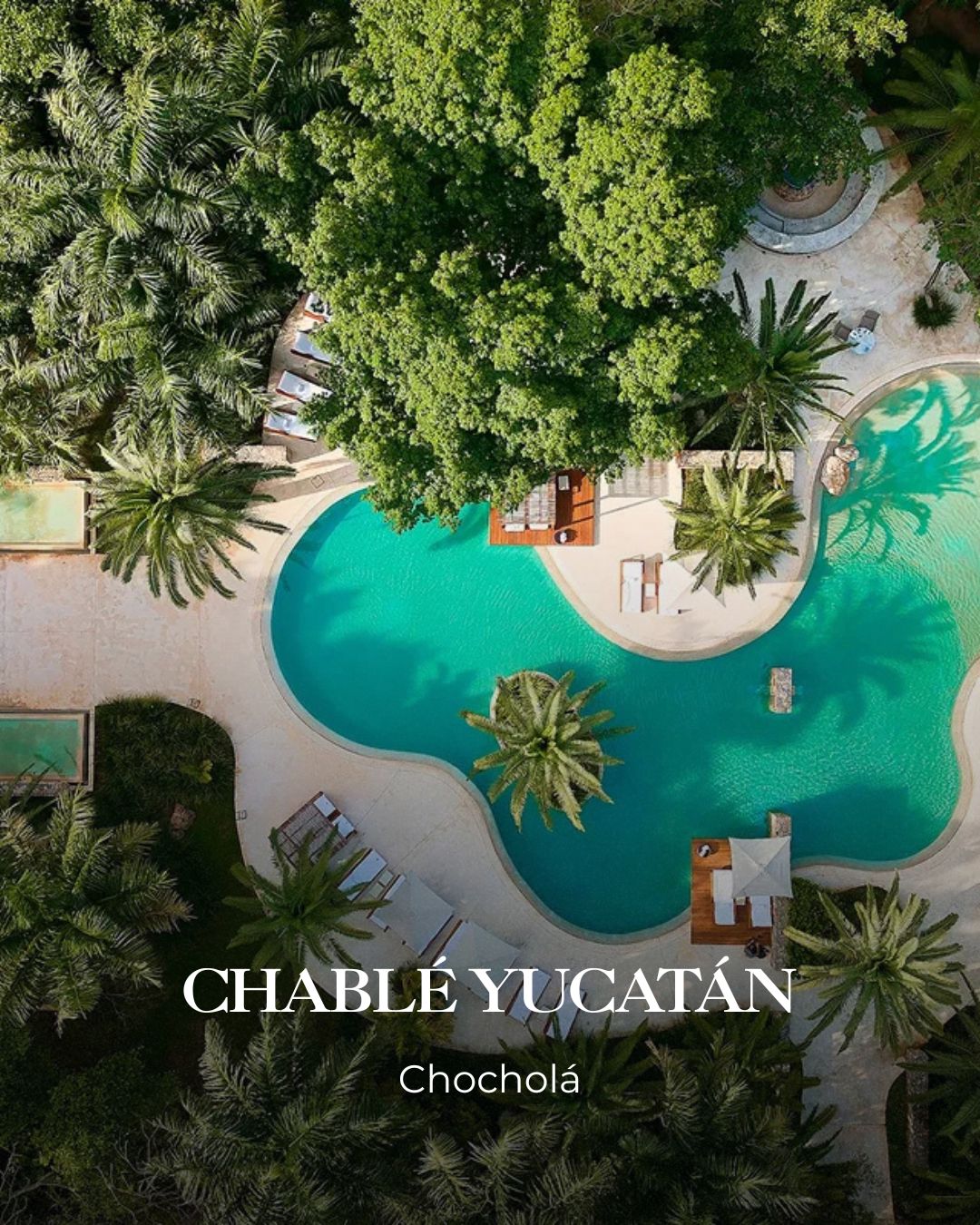
Hidden deep within the Yucatán jungle, Chablé feels less like a resort and more like a private sanctuary carved directly into nature.
Built around a restored 19th-century hacienda, the property merges ancient Mayan healing traditions with modern wellness in a way few destinations manage authentically. Villas disappear into dense greenery, cenote-inspired pools reflect the surrounding palms and every experience feels rooted in stillness.
Luxury here is intentionally understated. There are no overwhelming crowds, no loud performances and no pressure to constantly “do” something. Instead, the focus shifts toward restoration — sunrise yoga, traditional healing rituals, locally sourced cuisine and the kind of silence that has become increasingly rare in modern travel.
For travellers seeking peace rather than spectacle this Eid, Chablé offers something far more valuable than visibility: complete emotional reset.
Four Seasons Hotel Firenze, Florence
Florence has always represented beauty in its purest form.
And Four Seasons Firenze captures that spirit perfectly.
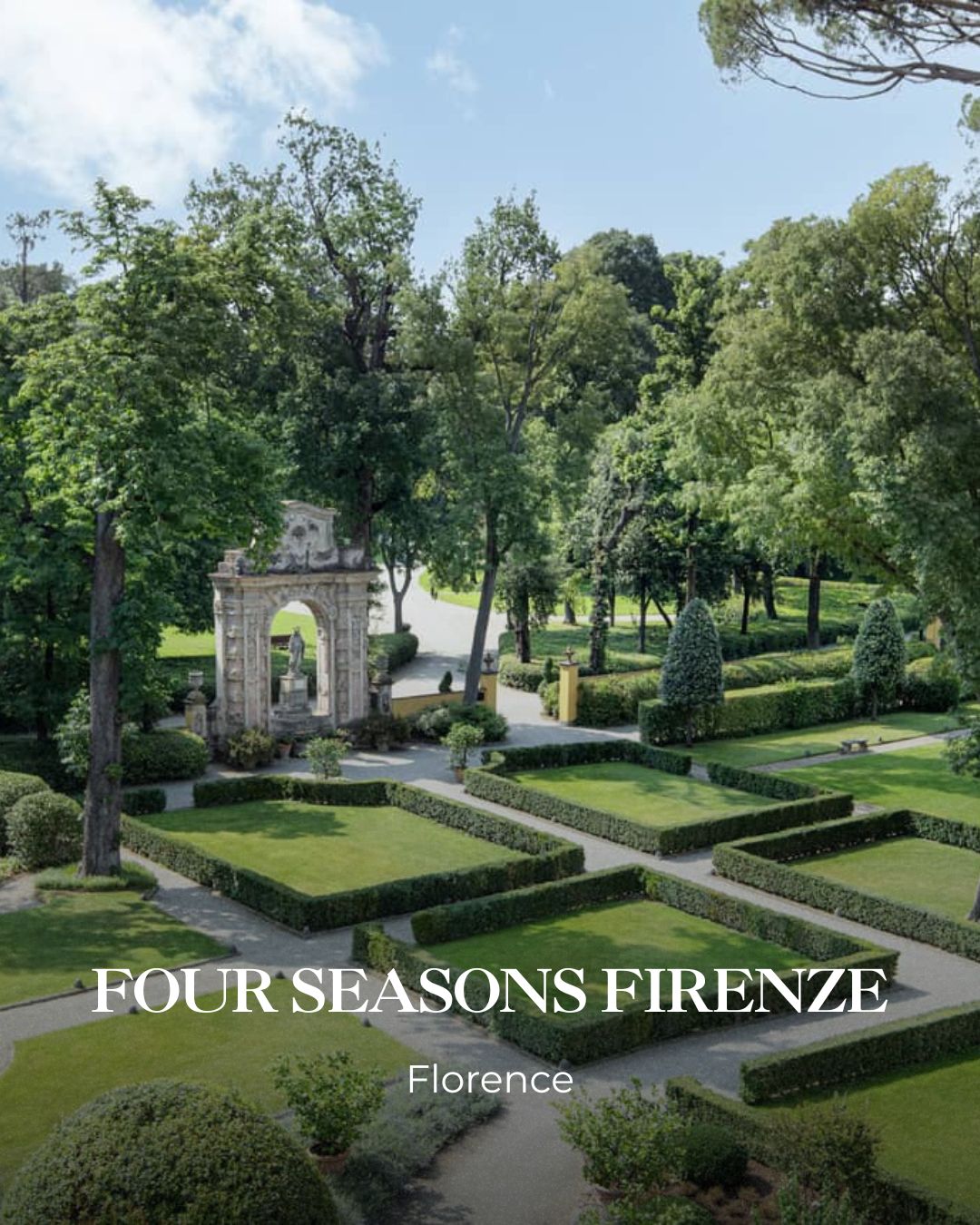
Set inside a restored Renaissance palace surrounded by one of the city’s largest private gardens, the hotel feels suspended between history and fantasy. Fresco-covered ceilings, sculptural staircases and hidden courtyards create the atmosphere of a private aristocratic residence rather than a traditional hotel.
Outside, Florence unfolds slowly, quiet cafés, historic ateliers, golden evening light reflecting across centuries-old architecture. Inside, the hotel becomes a retreat from the city itself.
The gardens are what truly transform the experience. Wandering through them feels almost surreal: manicured hedges, statues hidden between trees and pockets of silence untouched by tourism despite being moments from the centre of Florence.
It is the kind of destination where luxury becomes emotional rather than material, where beauty exists in every direction without ever needing to prove itself.
Copacabana Palace, Rio de Janeiro
There are hotels people visit.
And then there are hotels that become part of a city’s mythology.
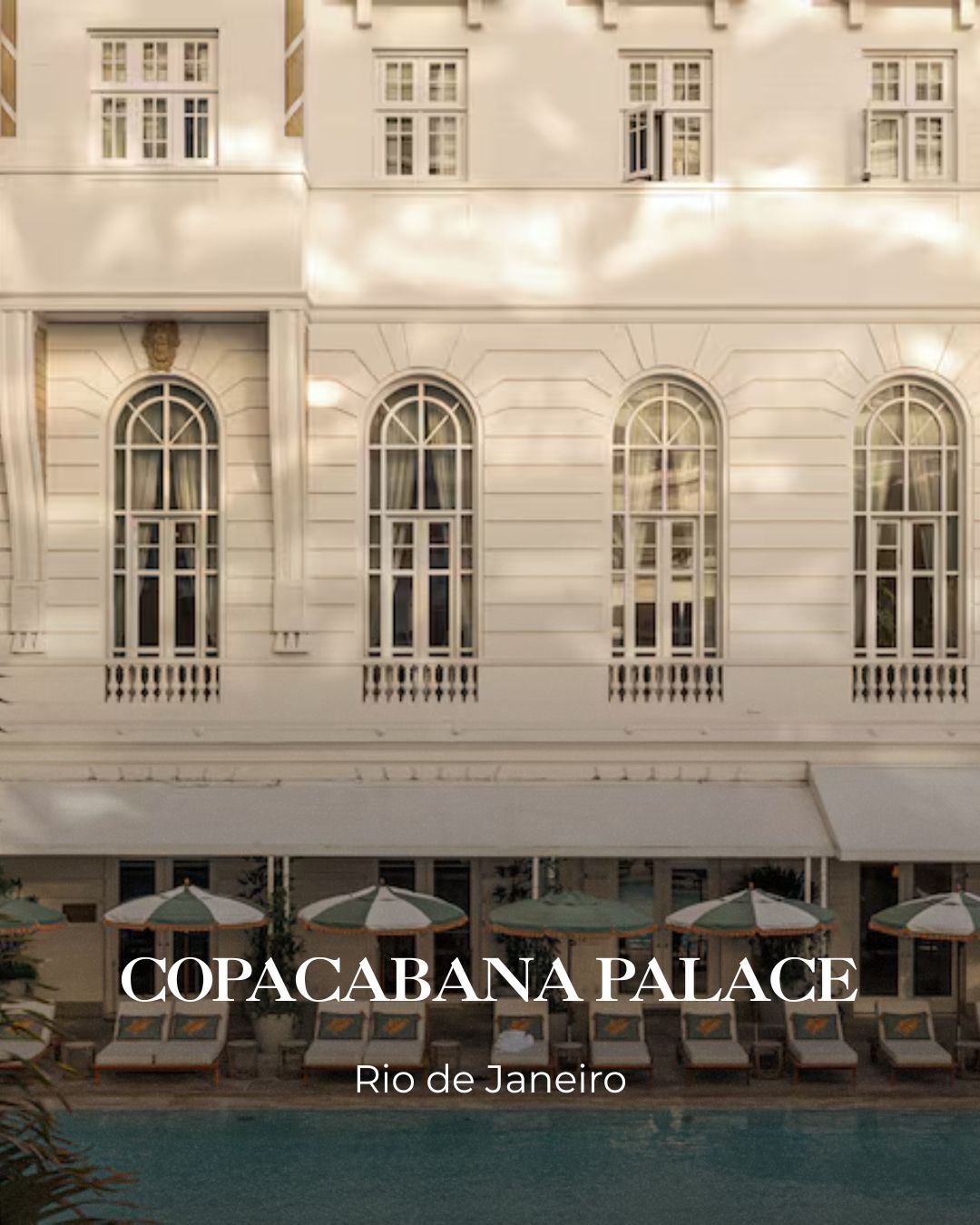
Copacabana Palace has defined Rio glamour for generations. Facing the iconic Copacabana Beach, the property carries the spirit of old-world Brazil — glamorous, energetic and endlessly cinematic.
The atmosphere here feels alive. Music drifts through the halls, sunlight floods the suites and the poolside scene captures the effortless elegance Rio is known for. Yet beneath the social energy is a deep sense of heritage that keeps the hotel timeless rather than trendy.
From private beach experiences to rooftop views stretching across the Atlantic Ocean, Copacabana Palace remains one of the world’s most iconic urban escapes, a place where celebration and sophistication exist beautifully together.
Royal Mansour Marrakech, Marrakech
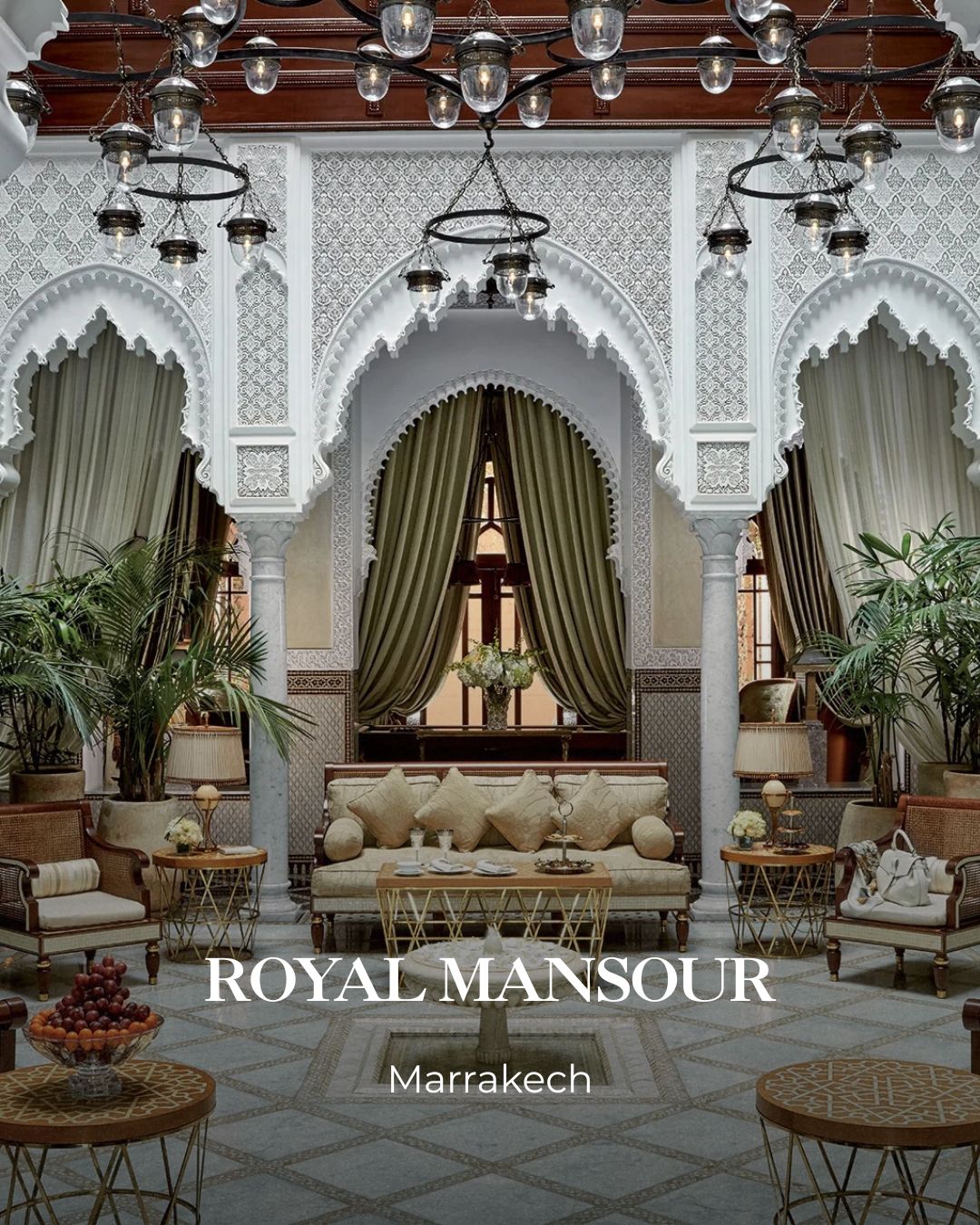
Royal Mansour is not simply a hotel.
It is one of the greatest expressions of Moroccan craftsmanship ever created.
Commissioned with extraordinary attention to detail, the property feels like a hidden medina reserved exclusively for its guests. Every riad is handcrafted by Moroccan artisans, filled with intricate zellige tiles, carved cedarwood, silk textures and soft lantern light that transforms the entire space after sunset.
Unlike traditional luxury hotels, Royal Mansour offers complete privacy. Guests move quietly between hidden courtyards, secret gardens and candlelit dining spaces where every moment feels intimate and protected from the outside world.
Marrakech itself is vibrant and chaotic — full of spice markets, colour and movement. But inside Royal Mansour, everything slows into calm sophistication.
It is luxury rooted in culture rather than trend, and few places in the world execute that balance more beautifully.
Velaa Private Island, Maldives
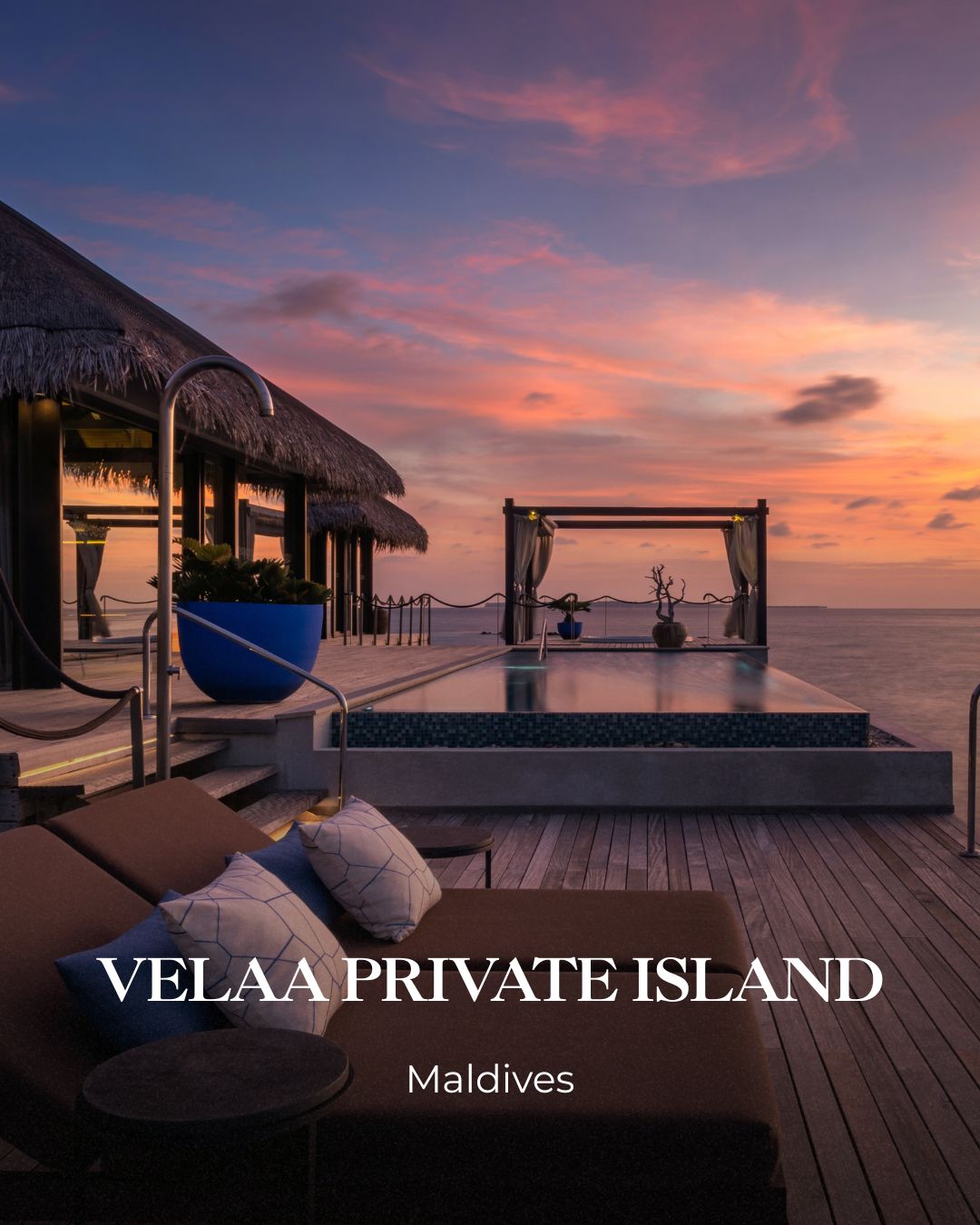
If modern luxury had a physical address, it might look something like Velaa Private Island.
Located in the Maldives’ Noonu Atoll, the ultra-exclusive retreat has become synonymous with privacy at its highest level. Villas hover above impossibly clear water, private pools stretch toward endless ocean views and every detail is designed around personal freedom.
Nothing feels rushed here. Days are shaped entirely around the guest — whether that means yacht excursions at sunset, underwater dining experiences, holistic wellness treatments or complete solitude beside the sea.
At Velaa, luxury is not defined by gold finishes or excessive decoration. It is defined by space, silence and the ability to experience complete stillness without interruption.
For travellers seeking true escape this Eid, few places feel further away from reality.
Mandarin Oriental Qianmen, Beijing

Hidden within Beijing’s historic hutongs, Mandarin Oriental Qianmen offers a completely different interpretation of modern luxury.
Rather than towering architecture or overt grandeur, the property focuses on intimacy, heritage and calm design. Traditional Chinese courtyard residences are reimagined through a contemporary lens, creating spaces that feel deeply connected to both history and modern refinement.
The experience is quiet and deeply atmospheric. Lantern-lit pathways, tea rituals, private courtyards and soft minimalist interiors create a sense of grounding rarely found in major cities.
What makes the hotel remarkable is its ability to preserve Beijing’s cultural soul while delivering the discretion and elegance expected from Mandarin Oriental.
It is luxury for travellers who value experience over visibility.
Claridge's, London
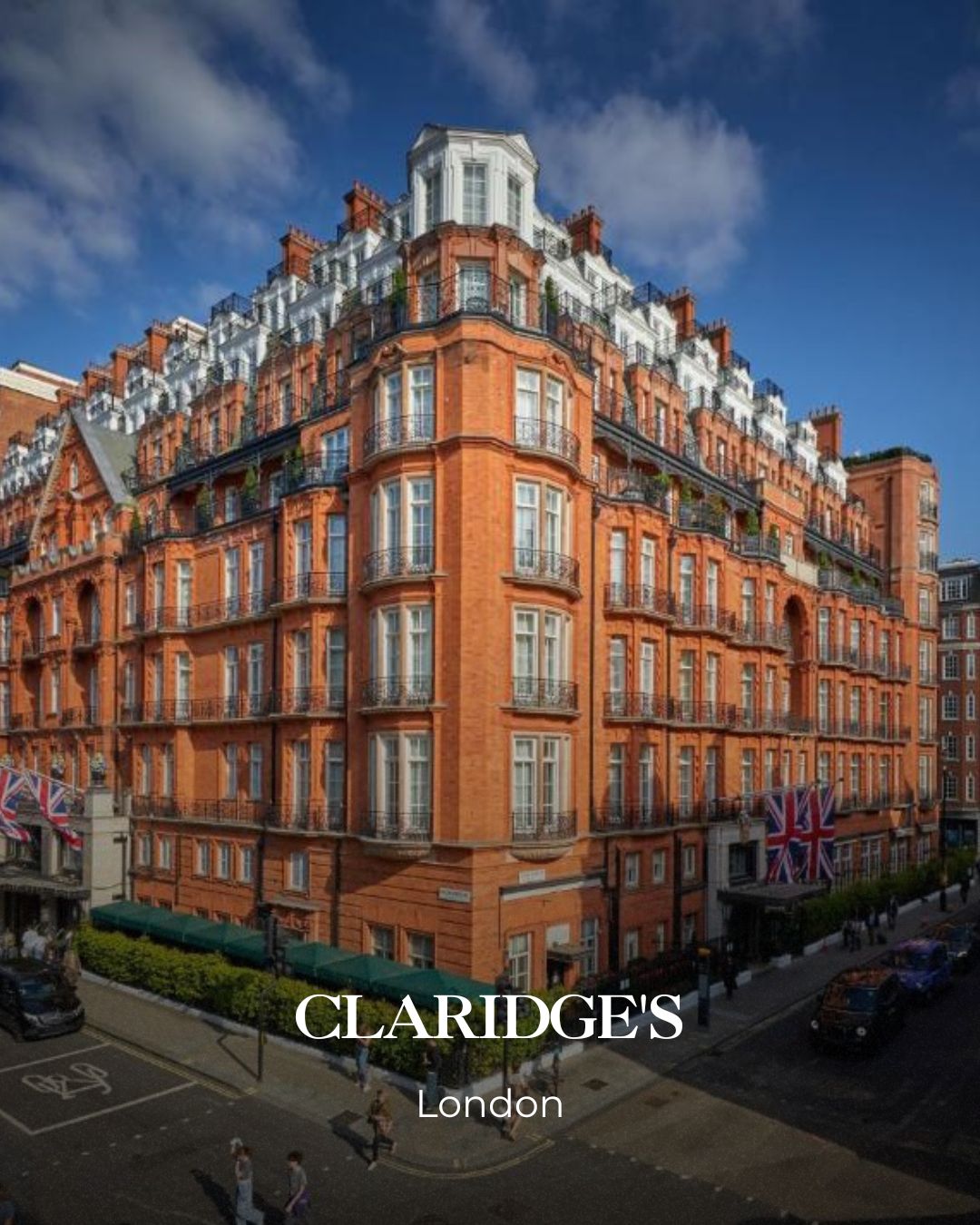
Claridge’s remains one of London’s most enduring symbols of elegance.
For decades, royalty, artists, designers and cultural icons have passed through its famous Art Deco halls, yet the hotel never feels trapped in nostalgia. Instead, Claridge’s continues to evolve while preserving the timeless sophistication that made it legendary in the first place.
The atmosphere is unmistakably London: polished without trying too hard, refined yet quietly warm. Afternoon tea feels ceremonial, suites feel residential and evenings inside the bar carry an old-world glamour increasingly difficult to find elsewhere.
What makes Claridge’s special is not simply the service or the design. It is the feeling that everything has been considered carefully — from the lighting to the silence to the pace at which the hotel allows guests to experience the city.
It is not just a place to stay in London.
It is part of London itself.
Bvlgari Hotel Roma, Rome
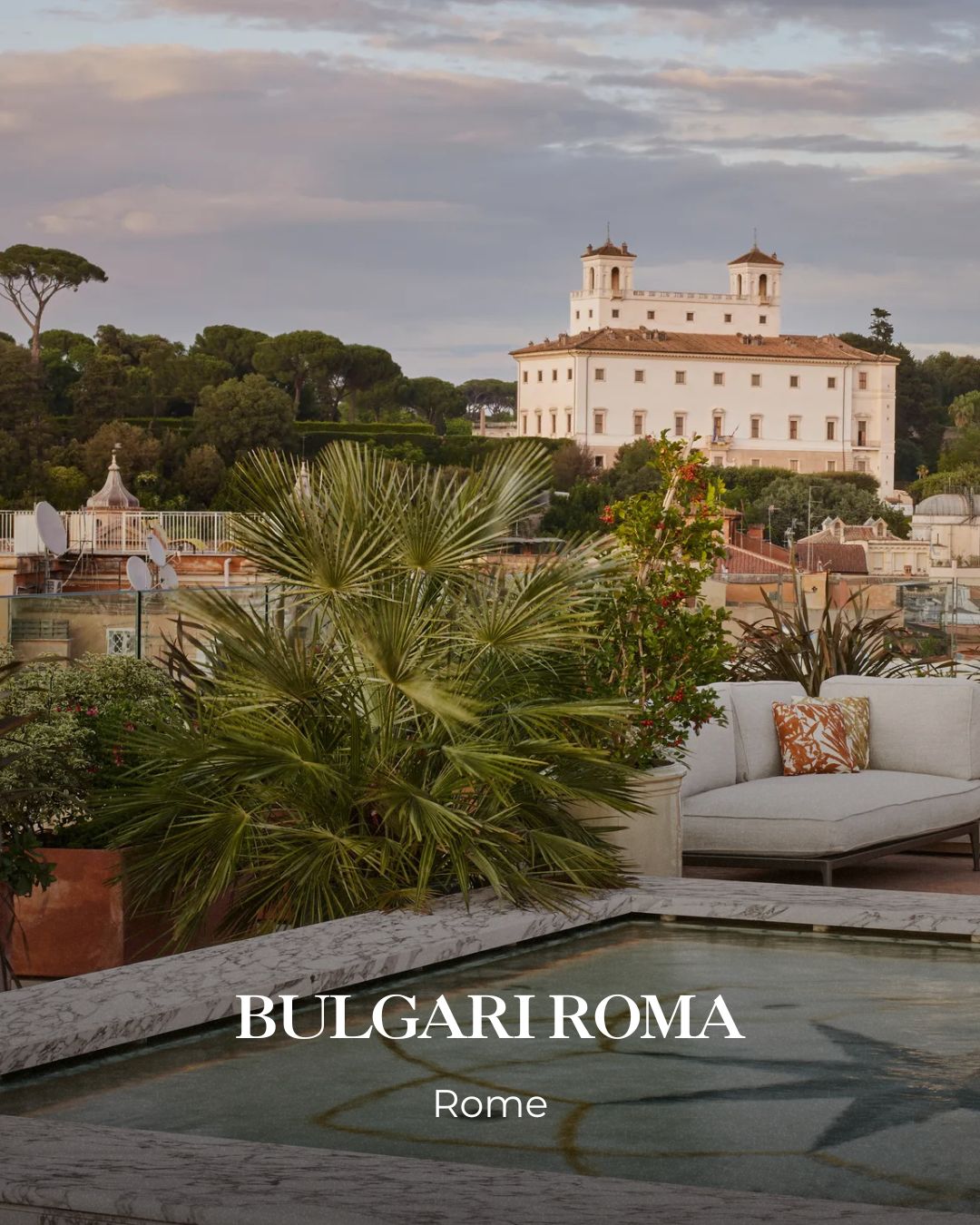
Rome has always understood indulgence better than almost anywhere else in the world.
And Bvlgari Hotel Roma captures that spirit with extraordinary precision.
Located beside the Mausoleum of Augustus in the heart of the Eternal City, the hotel feels like a modern interpretation of Roman grandeur — where ancient history, contemporary Italian design and the unmistakable world of Bvlgari merge effortlessly together.
Everything here feels curated rather than decorated. Marble surfaces glow beneath soft lighting, terraces overlook centuries of architecture and the atmosphere carries the same polished confidence associated with the jewellery house itself. There is no unnecessary excess. Only refinement.
What makes the property remarkable is its balance between intimacy and power. Guests move between private spa experiences, rooftop evenings overlooking Rome and beautifully restrained interiors that feel more like a luxurious Roman residence than a hotel suite.
At sunset, when the city softens into gold and terracotta, Bvlgari Roma becomes less about hospitality and more about living inside the fantasy of Rome itself.
Hotel Il Pellicano, Porto Ercole

Some places never lose their magic.
Hotel Il Pellicano is one of them.
Hidden along the Tuscan coastline in Porto Ercole, the legendary hotel has spent decades attracting artists, royalty, editors and travellers searching for a slower, more beautiful version of Italy. The property feels untouched by trends — which is precisely why it remains so desired.
White umbrellas line the sea, terracotta pathways lead toward the water and long lunches stretch endlessly beneath the Mediterranean sun. There is an effortless glamour to Il Pellicano that cannot be manufactured. It comes from atmosphere, heritage and the feeling that nothing here is rushed.
The interiors remain intentionally understated — soft linens, warm woods and vintage Italian elegance replacing overt luxury. Guests spend mornings swimming in impossibly blue water before retreating to candlelit dinners overlooking the coastline.
This is not the Italy of crowded itineraries and fast tourism.
It is the Italy people dream about.
Hôtel du Couvent, Nice

Quiet luxury rarely feels this literal.
Set inside a beautifully restored 17th-century convent in the hills of Old Nice, Hôtel du Couvent offers something increasingly difficult to find along the French Riviera: stillness.
The property avoids the loud glamour traditionally associated with the South of France. Instead, everything feels softened and deeply intentional. Sunlight spills through stone corridors, muted interiors reflect Mediterranean simplicity and hidden courtyards create moments of complete calm away from the energy of the city below.
The hotel’s philosophy centres around slow living. Gardens grow ingredients used throughout the property, wellness experiences focus on restoration rather than performance and every room feels designed to encourage pause rather than distraction.
There is an emotional warmth to Hôtel du Couvent that makes it unforgettable. It feels personal, grounded and beautifully human — luxury stripped back to its purest form.
Soneva Fushi, Maldives
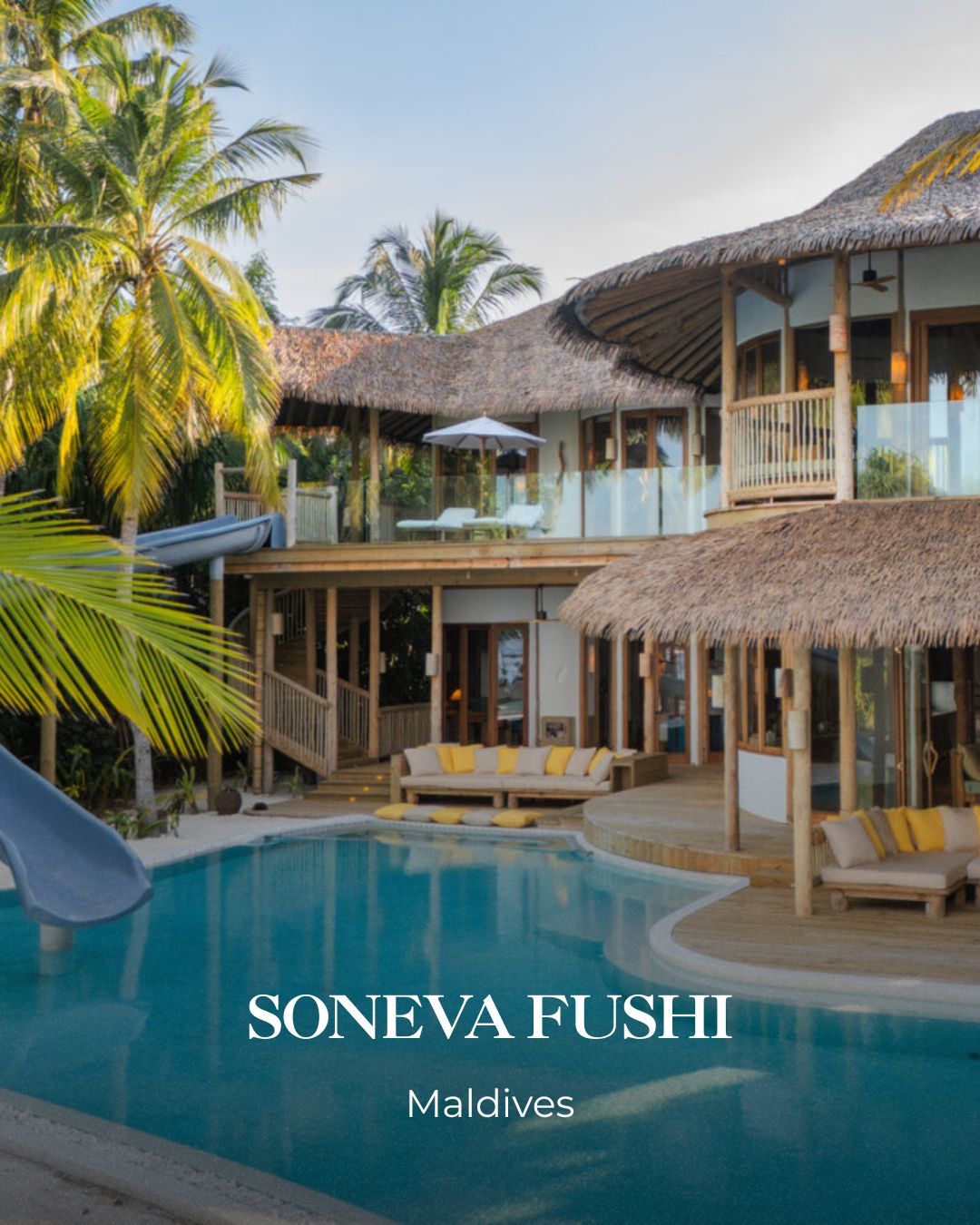
At Soneva Fushi, luxury becomes freedom.
Located within the UNESCO-protected Baa Atoll, the iconic Maldivian retreat pioneered a completely different approach to ultra-luxury hospitality — one rooted in privacy, sustainability and barefoot living.
But do not mistake simplicity for compromise.
The villas are among the most extraordinary in the world: sprawling beachfront residences hidden within dense jungle, private pools opening toward white sand beaches and waterslides disappearing directly into the ocean. Yet despite the scale, the experience never feels performative.
Life at Soneva moves differently. Shoes disappear upon arrival. Days revolve around ocean sunsets, open-air cinemas, private sandbank dinners and uninterrupted silence broken only by the sound of the sea.
What makes Soneva extraordinary is the feeling it creates — the rare sensation that time itself has slowed down completely.
For travellers looking to truly disappear this Eid, few destinations feel more dreamlike.
The Emory, London
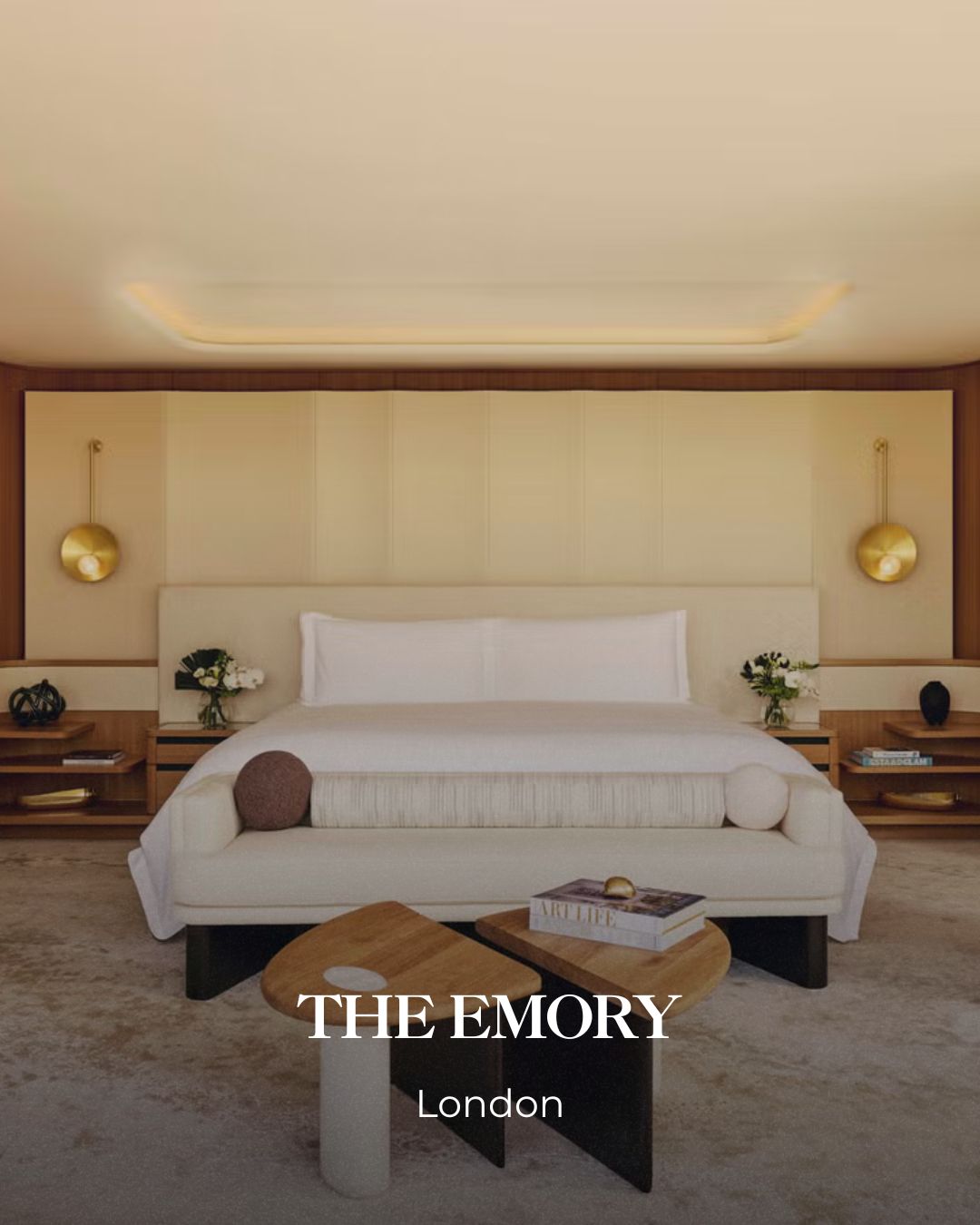
London’s luxury landscape has entered a new era.
And The Emory represents its future.
Created by the Maybourne Hotel Group, the ultra-private property redefines what modern high-end hospitality looks like. Unlike traditional grand hotels, The Emory feels discreet, residential and deeply personal — designed for travellers who value privacy as the ultimate luxury.
The interiors are intentionally minimal yet impossibly refined. Suites feel more like impeccably designed private residences than hotel rooms, blending contemporary art, architectural calm and soft neutral palettes that create immediate stillness.
There is no unnecessary spectacle here. Every detail is subtle: personalised wellness experiences, private entrances, discreet service and panoramic views across London without the chaos traditionally attached to the city.
The Emory speaks directly to a new generation of luxury travellers — individuals no longer searching for visibility, but for space, peace and complete emotional comfort.
Because today, the greatest luxury in the world is not attention.
It is privacy.
Because the best journeys are no longer about how far you travel.
They are about how differently you return.