
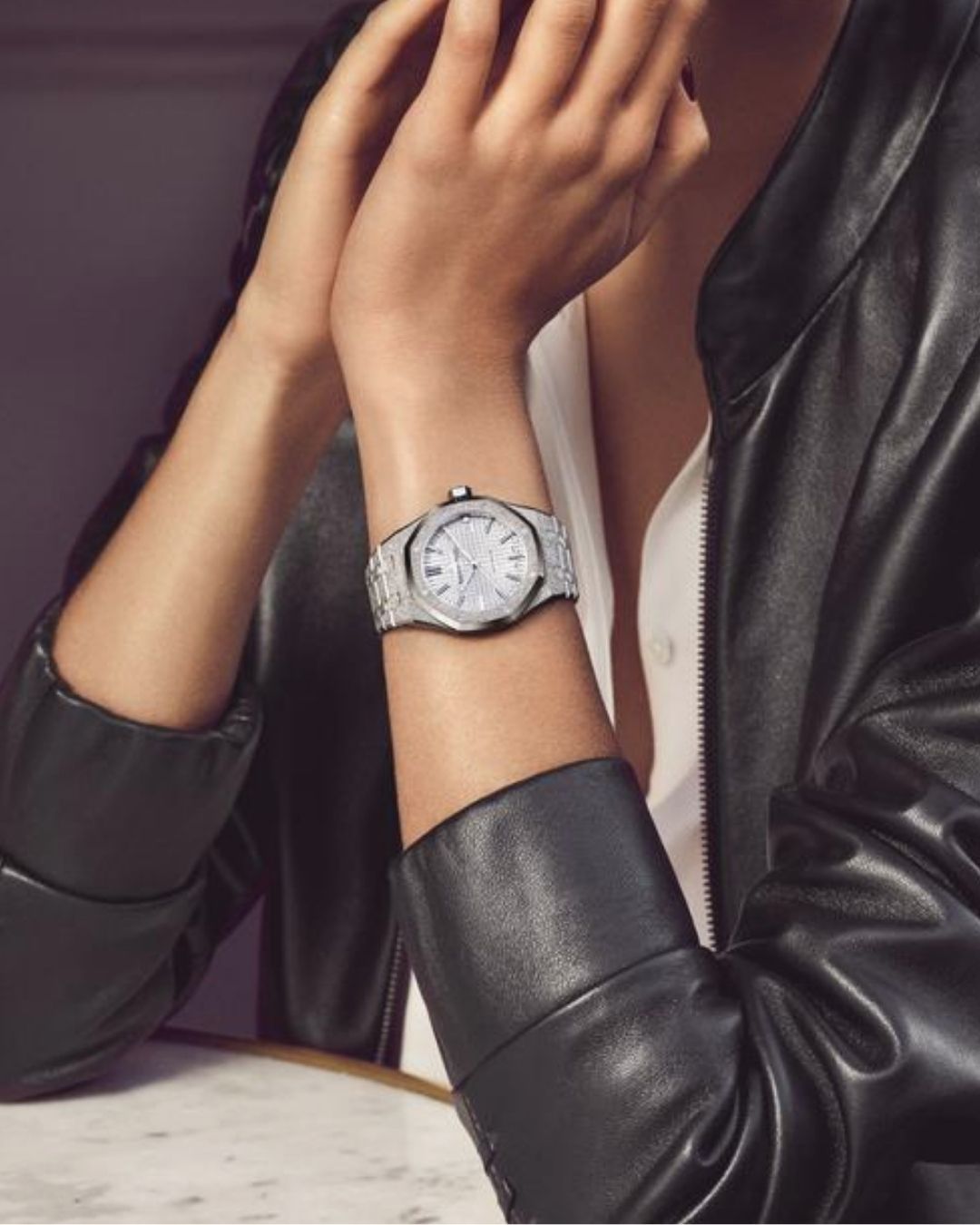
What Does Your Watch Says About You
There was a time when watches existed purely to tell time. Today, the world’s most recognisable timepieces communicate something far more valuable: identity.
A watch has become a social language. In certain rooms, people notice your wrist before they notice your shoes. The right watch can quietly signal wealth, taste, ambition, insider knowledge, or cultural relevance without a single word being spoken.
From boardrooms in Dubai to Formula 1 paddocks, private clubs, fashion weeks and football stadiums, luxury watches have evolved into modern status markers. But each brand signals a very different kind of person.
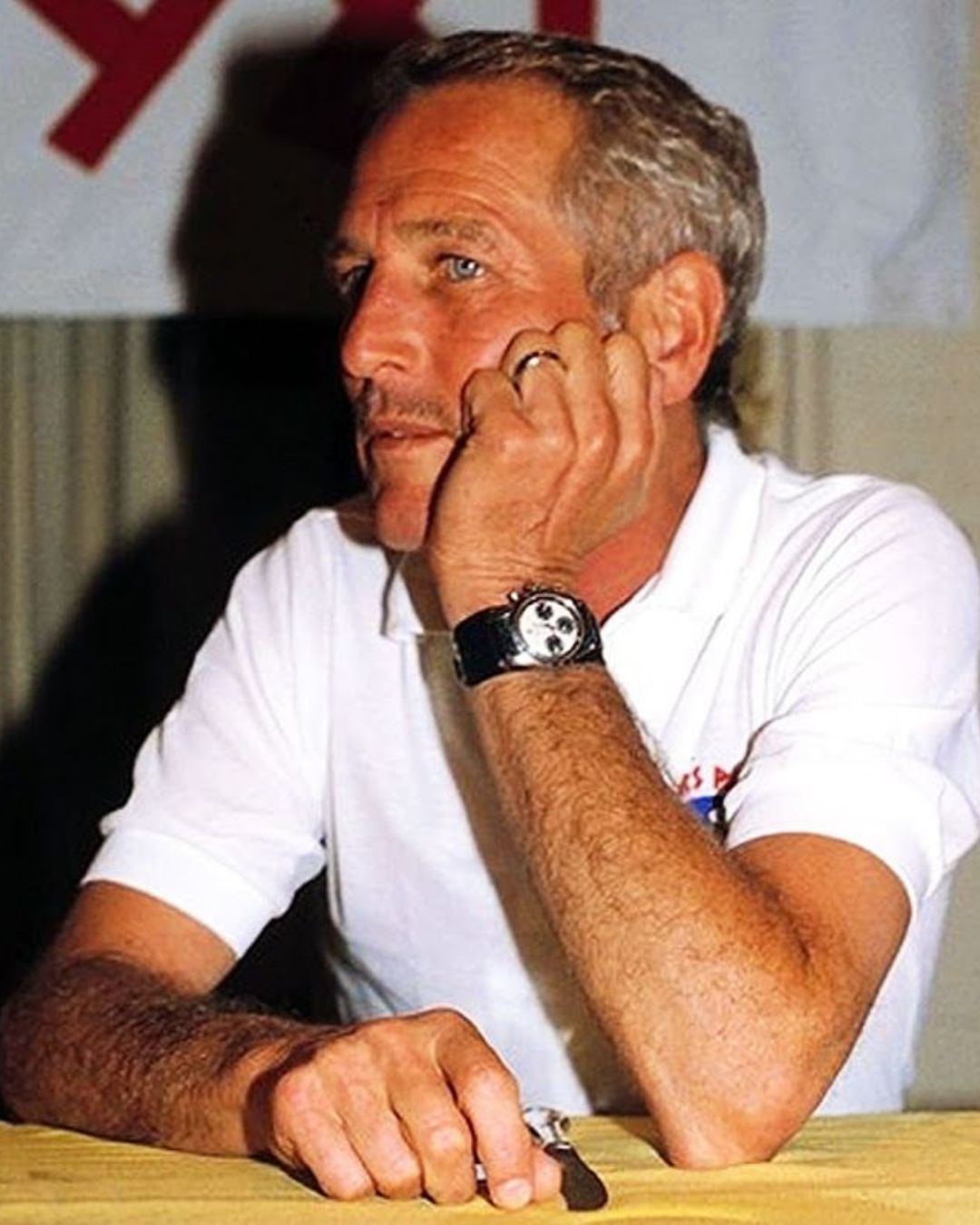
Richard Mille — The Ultra-Elite Flex

Few watches divide opinion quite like Richard Mille.
With price tags often exceeding luxury homes, Richard Mille does not operate in the traditional world of horology. It exists in a category of its own: hyper-wealth signalling.
The skeletonised movements, tonneau-shaped cases and futuristic materials make the watch instantly recognisable from across a room. Athletes like Rafael Nadal and Formula 1 drivers helped turn the brand into a symbol of modern elite culture.
Richard Mille is not subtle. That is precisely the point.
Patek Philippe — Quiet Power
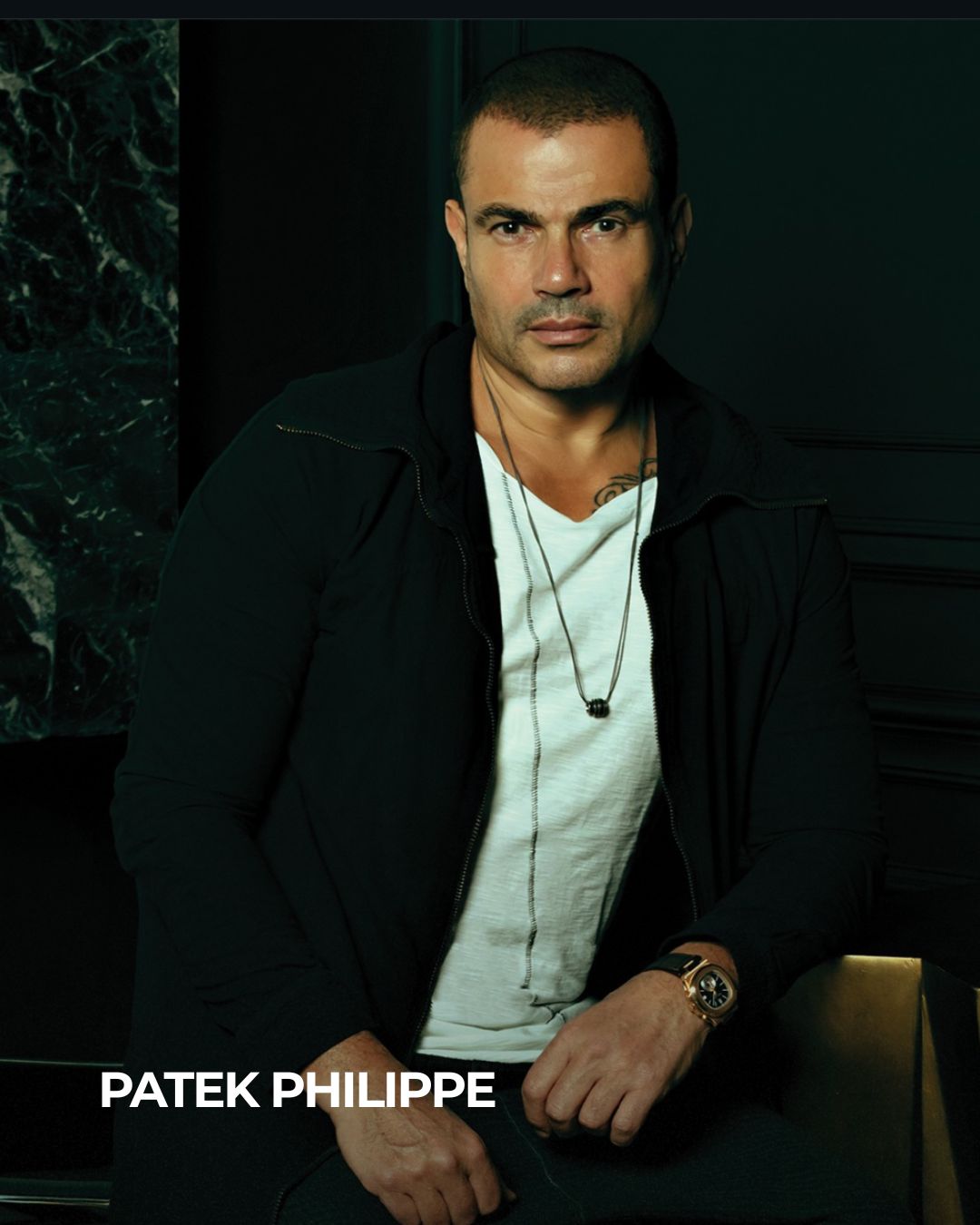
If Richard Mille represents visibility, Patek Philippe represents restraint.
Collectors speak about references, complications and movements with near-academic precision. The brand’s most iconic models — from the Nautilus to the Calatrava — are associated with generational wealth and deeply informed taste.
Patek buyers rarely need validation. They already know exactly why the watch matters.
In luxury culture, few names command more respect.
Audemars Piguet — Where Culture Meets Luxury

Audemars Piguet transformed the luxury sports watch into a global cultural phenomenon.
The Royal Oak, originally controversial for its industrial design and exposed screws, has become one of the most desired watch silhouettes in the world. Today, it sits comfortably on the wrists of athletes, musicians, founders and creatives alike.
It is one of the few watches equally at home courtside at an NBA game, inside a recording studio or at a private dinner in DIFC.
The Royal Oak does not just communicate wealth. It communicates relevance.
Hublot — Loud Luxury
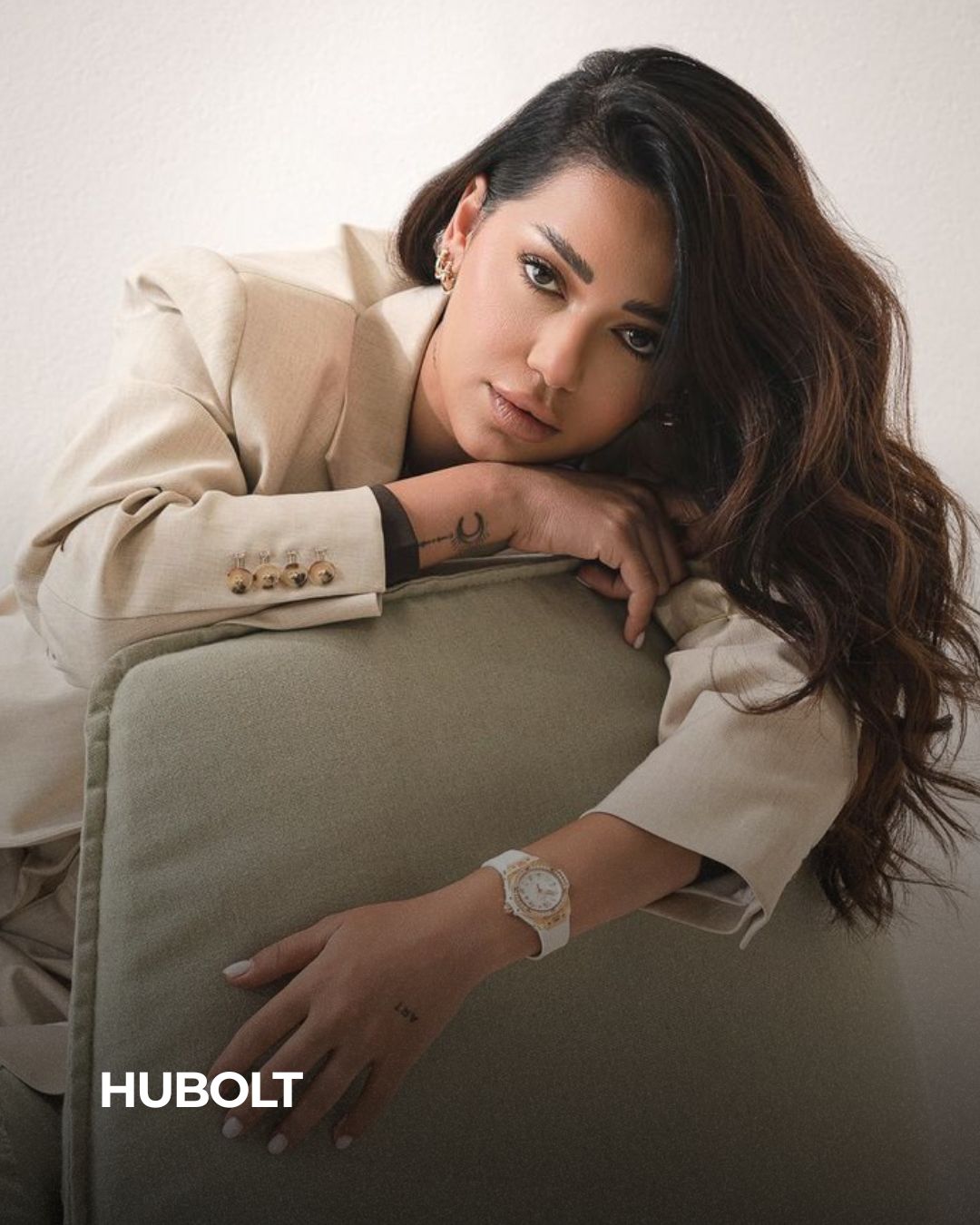
Hublot remains one of the most polarising names in modern horology.
Oversized cases, carbon fibre materials, bold colourways and aggressive styling made the Big Bang collection impossible to ignore during the 2000s luxury boom.
Critics often dismiss the brand as overly loud. Supporters argue that visibility is the entire appeal.
Either way, Hublot mastered one thing better than almost anyone else: making sure people notice.
Rolex — The Universal Symbol of Success
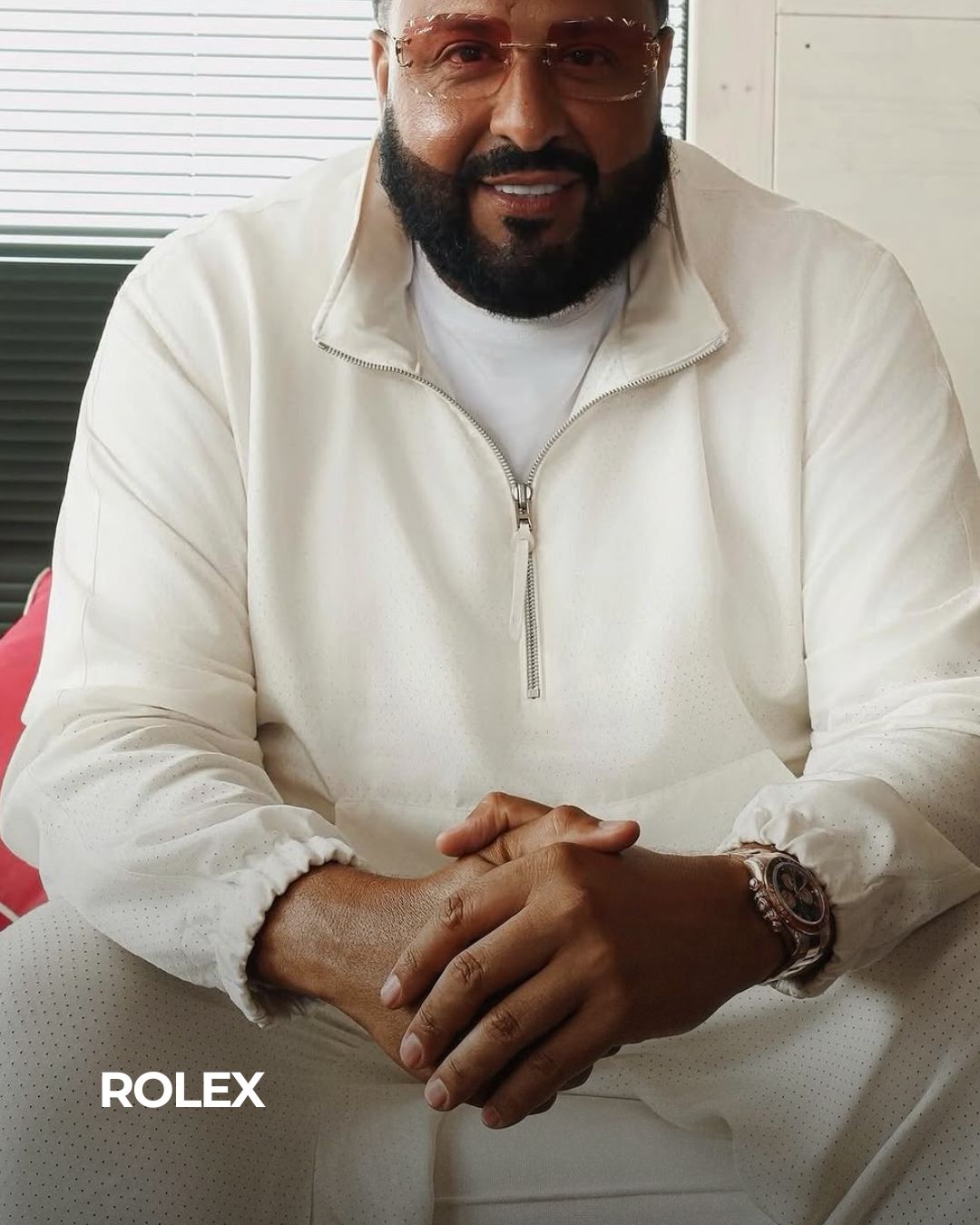
No luxury watch brand has achieved the global recognition of Rolex.
The appeal of Rolex lies in its simplicity. You do not need to understand horology to understand what a Rolex represents.
The Daytona, Submariner and Datejust have transcended watch culture entirely to become universal status symbols recognised across every country, industry and generation.
Rolex remains the default luxury purchase for a reason: it works everywhere.
Omega — The Smart-Money Choice
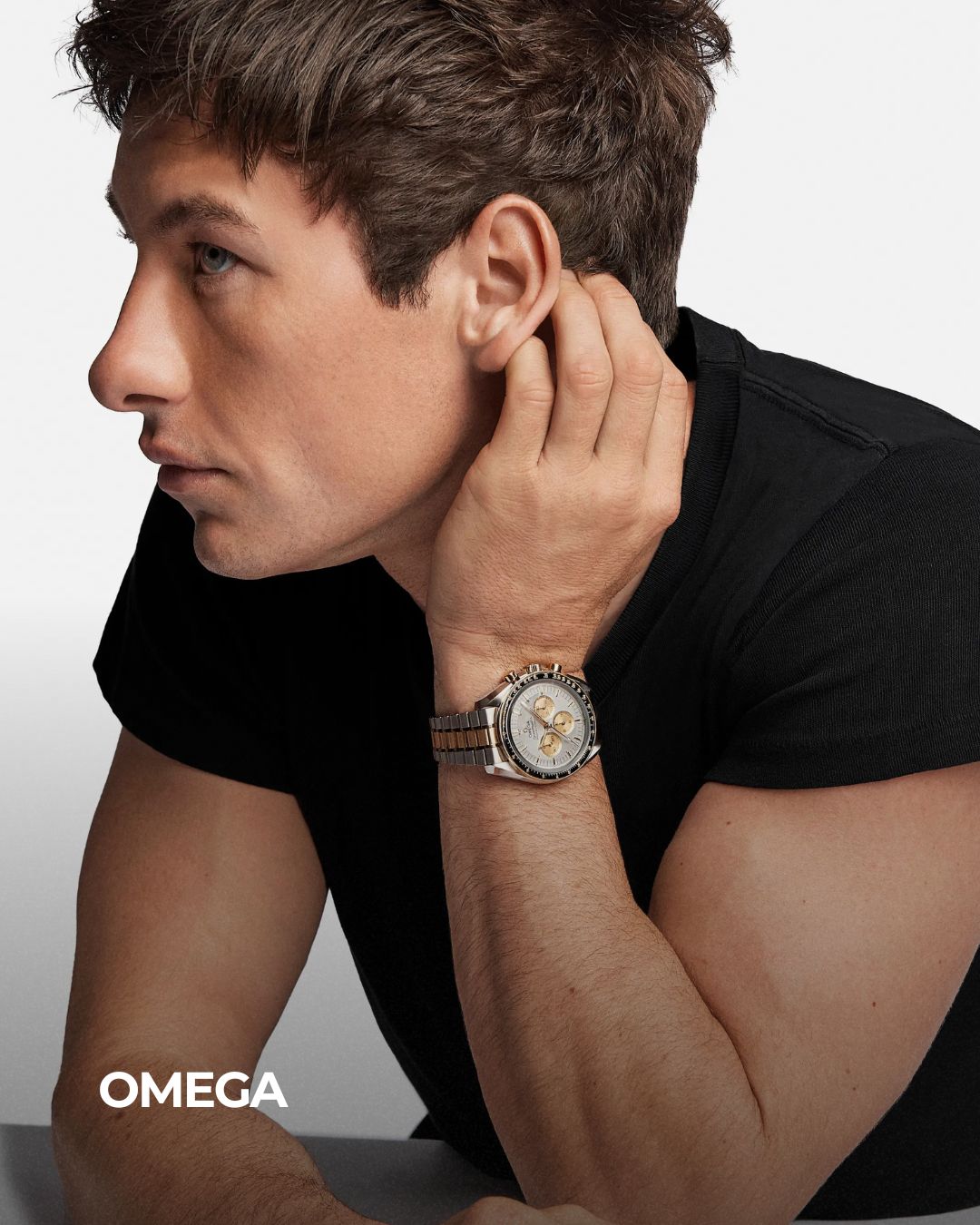
For many serious collectors, Omega represents one of the strongest value propositions in luxury watches today.
The Speedmaster’s connection to the moon landing, the Seamaster’s relationship with James Bond and Omega’s deep horological history give the brand credibility that far exceeds its price point.
Unlike hype-driven watches, Omega tends to attract buyers who did their research before making a decision.
Understated. Informed. Quietly respected.
More Than Just Watches
Luxury watches today exist somewhere between engineering, fashion, investment and identity.
Some people buy them for craftsmanship. Others buy them for recognition. Many buy them because certain watches have become modern cultural shorthand for success itself.
But regardless of the brand, one thing remains true:
The watch on your wrist is never just about time anymore.