
.jpg)
Why Cafés Became
Not long ago, the soundtrack of a great weekend was predictable.
A dinner reservation that turned into drinks. A crowded dance floor. Loud music. Late nights. The inevitable queue for a taxi home just before sunrise.
For decades, nightlife revolved around bars, clubs and alcohol. They were where friendships were built, birthdays were celebrated, relationships began and communities formed.
Today, that definition of going out is changing.
Across cities from Dubai and London to New York, Sydney and Copenhagen, a new kind of social scene is emerging—one where the music is just as good, the atmosphere just as lively, but the drink in your hand is more likely to be a flat white or matcha than a cocktail.
The café has become the new social destination.
The Rise of the Coffee Party
Walk into one of today's coffee parties and the energy feels surprisingly familiar.
A DJ is playing vinyl or house music. People are dancing, talking and taking photos. Friends greet each other over speciality coffee while strangers strike up conversations at communal tables.
The biggest difference?
It's 10 o'clock in the morning.
What began as a niche idea has evolved into a global movement. Coffee raves, espresso parties, matcha mornings and community brunches are attracting thousands of people looking for a different kind of social experience—one that offers the atmosphere of nightlife without the late-night consequences.
Instead of waking up with a headache, people leave feeling energised enough to continue the rest of their day.
Why People Are Choosing Daylight Over Midnight
The popularity of these events reflects a wider cultural shift rather than a passing trend.
Younger generations, particularly Millennials and Gen Z, are increasingly questioning traditional ideas of socialising. While many still enjoy bars and clubs, there's growing interest in experiences that support physical and mental wellbeing alongside entertainment.
The rise of the sober-curious movement has encouraged many people to reduce alcohol consumption without giving up their social lives. Others simply want weekends that don't disappear to hangovers.
Time has become more valuable.
People want experiences that leave them feeling better rather than depleted.
Morning coffee parties allow them to enjoy music, meet new people, exercise, work, travel or spend time with family afterwards.
The social event becomes part of the day rather than the entire day.
.jpg)
Wellness Has Become Social
Wellness was once associated with individual habits. Going to the gym. Meditating. Preparing healthy meals.
Today, wellness has become increasingly communal. Running clubs attract hundreds of participants every week. Pilates studios regularly organise post-class breakfasts. Cold plunge groups, hiking communities, walking clubs and wellness festivals continue to grow around the world. Coffee gatherings fit naturally into this new landscape. They combine movement, conversation, music, creativity and community into one experience. People are no longer choosing between having fun and looking after themselves. Increasingly, they expect both.
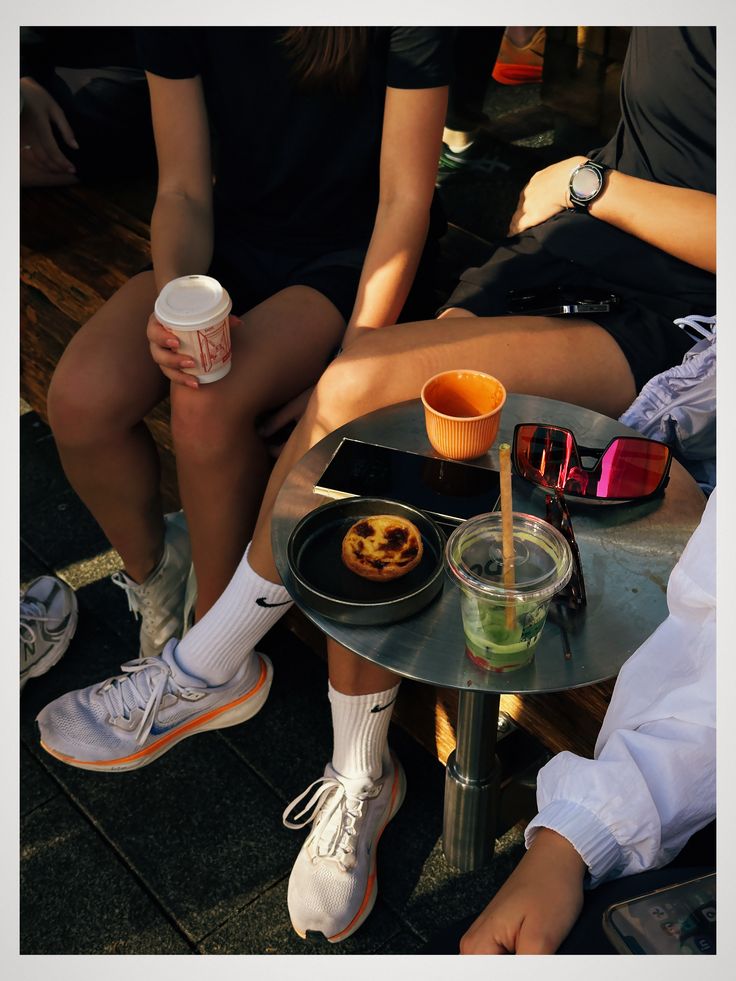
Cafés Are Becoming Cultural Spaces
Perhaps the biggest transformation isn't happening in people's routines—it's happening inside cafés themselves.
Traditionally, cafés served three purposes.
Grab a coffee. Meet a friend. Work for a few hours.
Today, many independent cafés have become cultural venues.
A single week might include a vinyl listening evening, a photography exhibition, a book club, a creative workshop, a networking breakfast, a panel discussion, a DJ set and a community run.
Rather than functioning solely as businesses, cafés are becoming neighbourhood gathering spaces.
In an era where many people work remotely or move frequently between cities, these spaces offer something increasingly valuable: belonging.

The Search for Community
Despite being more digitally connected than ever before, loneliness has become one of the defining social issues of modern life.
People spend hours communicating through screens while often struggling to meet others face-to-face.
Coffee events respond to that need.
Unlike traditional nightlife, where loud music can make conversation difficult, cafés encourage interaction.
The atmosphere is relaxed.
People stay longer.
Conversations happen naturally.
The shared experience of coffee creates an easy starting point between strangers.
For many attendees, the event isn't really about the coffee.
It's about finding community.
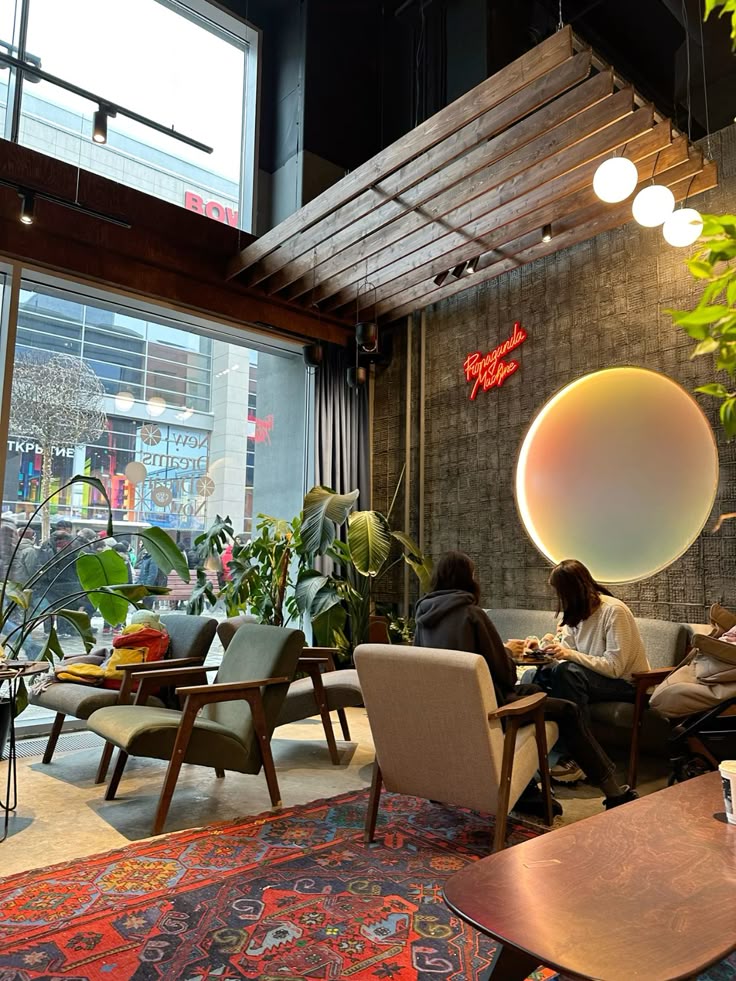
Social Media Helped Fuel the Movement
The aesthetic appeal of coffee culture has also made it perfectly suited to social media.
Natural light. Beautiful interiors. Latte art. Minimalist design. Vinyl records spinning beside espresso machines.
Unlike dark clubs, cafés are visually inviting and easy to photograph.
Creators regularly document coffee parties through outfit videos, café reviews and "day in the life" content, helping introduce the concept to wider audiences.
But unlike many viral trends, people continue returning because the experience delivers something beyond content.
It creates genuine connection.

A Different Kind of Luxury
Coffee culture also reflects changing ideas about luxury.
For years, exclusivity was measured through expensive restaurants, VIP tables and private clubs.
Today's consumers increasingly associate luxury with slower living. Having time to enjoy breakfast with friends. Discovering a neighbourhood café. Listening to live music in the middle of the day. Being fully present without checking the time. Experiences have become more valuable than excess. Community has become a new status symbol.
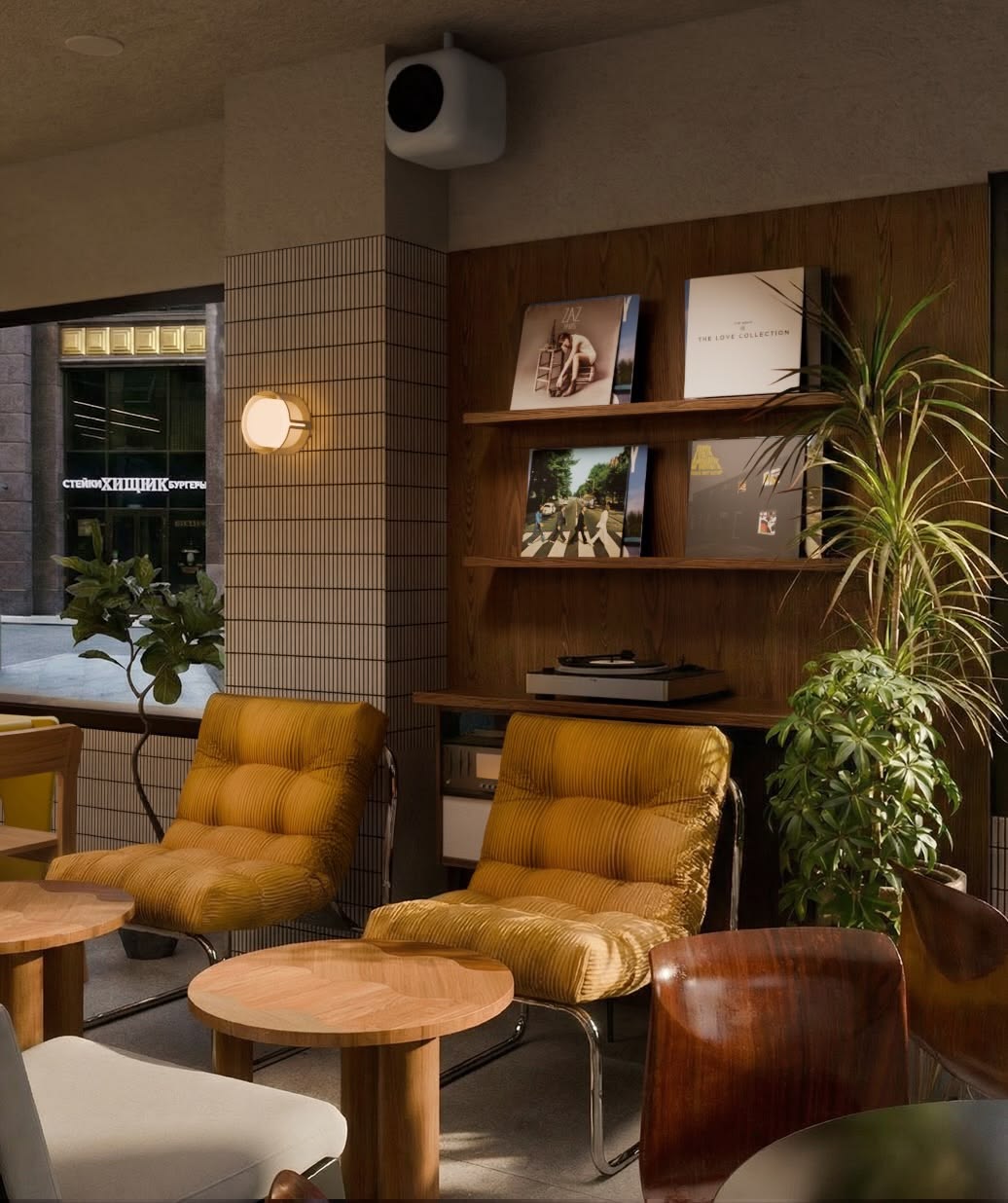
Is Nightlife Disappearing?
Not at all.
Bars, restaurants and clubs continue to play an important role in urban culture.
But the definition of social life is expanding.
Instead of reserving connection for Friday and Saturday nights, people are creating opportunities to gather throughout the week—in the morning, at lunchtime or during the afternoon.
Cities are becoming more flexible.
So are the people living in them.
The café is no longer simply a place to grab a caffeine fix before work.
It has become a destination in its own right.
A place where conversations begin, friendships form, ideas are exchanged and communities grow.
Perhaps the biggest cultural shift isn't that people are going out less.
They're simply choosing to meet in places that leave them feeling inspired rather than exhausted.
Because the best parties no longer have to end at 3 a.m.
Sometimes, they end just in time for lunch.