
Brewing Luxury: How Cafés Are Redefining Fashion Culture
In recent years, cafés have quietly become the hottest new frontier for fashion brands — so influential, in fact, that they’re beginning to rival traditional fashion houses as cultural touchstones in their own right. What was once simply a place to sip espresso has now evolved into a stage for brand storytelling, social identity, and lifestyle expression. But why exactly are cafés taking on such fashion-house status? The answer lies in changing consumer behavior, shifts in luxury strategy, and the power of experience in an increasingly visual world.
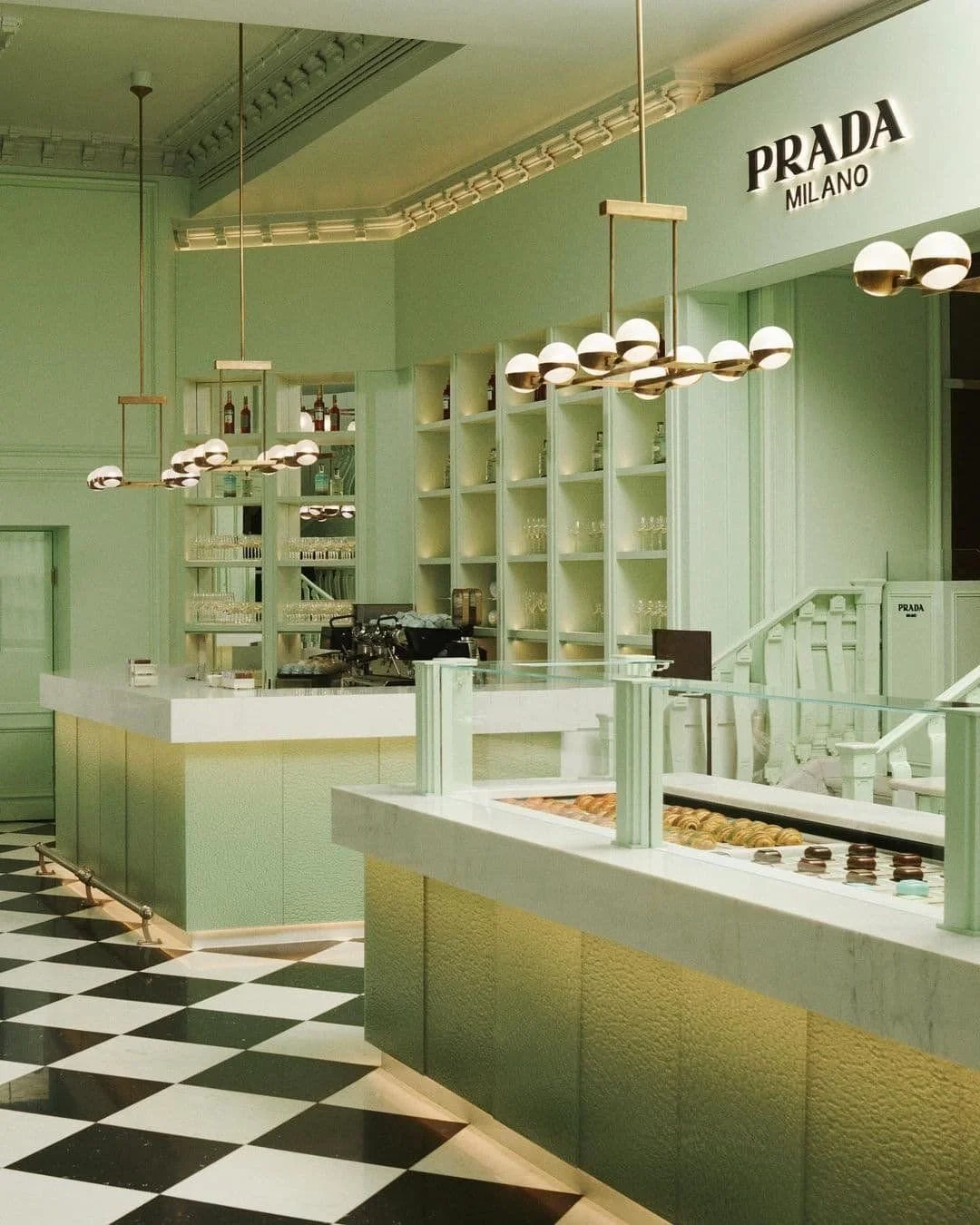
Prada Caffè
Traditionally, fashion houses were defined by their garments, accessories, and runway shows: physical objects that symbolized status and taste. But today’s luxury consumers — especially Millennials and Gen Z — are spending more on experiences than possessions. This shift has redefined how brands connect with their audiences. Rather than waiting for customers to walk into exclusive stores, fashion labels are inviting them into environments where they live out brand values in real, everyday moments. Cafés serve as a perfect meeting point of routine and luxury — places people visit weekly, photograph, share on social media, and emotionally remember.
Branded cafés and restaurants allow consumers to step inside a brand’s universe without needing to make a high-ticket purchase. A latte printed with a luxury logo, a signature dessert plated in the brand’s colors, or an interior designed in the house’s aesthetic are all immersive experiences that give a taste of the brand identity itself. This lowers the barrier to entry — making an aspirational world feel attainable while still maintaining its allure.
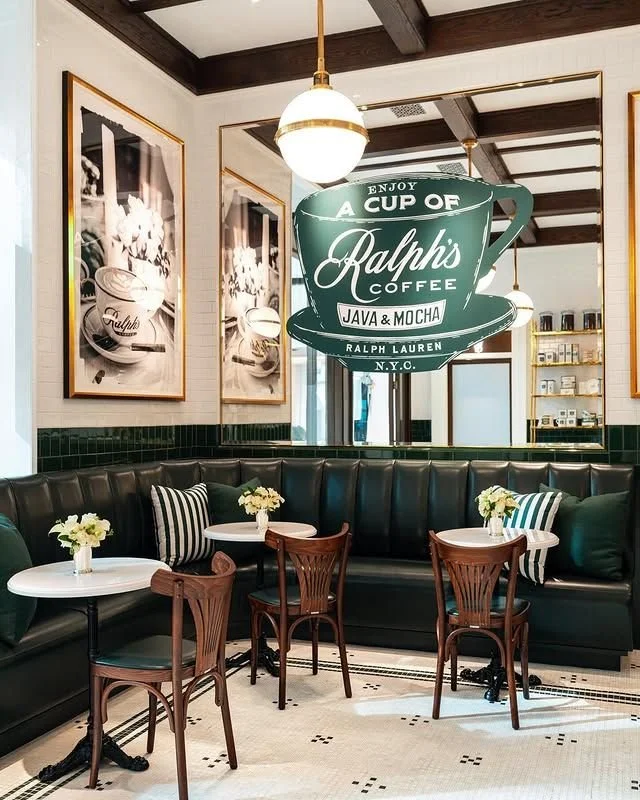
Ralph’s Coffee & Polo Bar
For fashion houses, cafés are more than marketing gimmicks — they are strategic expansions of the brand ecosystem. Retail alone can be seasonal, competitive, and driven by fluctuating consumer spend on goods. Hospitality, on the other hand, creates recurring engagement and diversifies income streams. Patrons spend time and money in branded cafés and restaurants regularly, creating brand loyalty that extends beyond one-off purchases. This also gives brands longer dwell time — customers spend more hours interacting with brand spaces, absorbing the ambiance and values that products alone can’t convey.
Cafés have always been social spaces, but in the age of social media, they’ve become “status stages.” A coffee shot from a fashion-branded café is not just a photo; it’s a signal — showcasing taste, access, and belonging. Luxury houses like Louis Vuitton, Dior, Tiffany & Co., and Coach are opening cafés and restaurants that attract influencers, local tastemakers, and tourists alike, blurring the lines between dining, fashion, and lifestyle. These venues become destinations in their own right, often featured in travel guides, Instagram feeds, and cultural conversations.
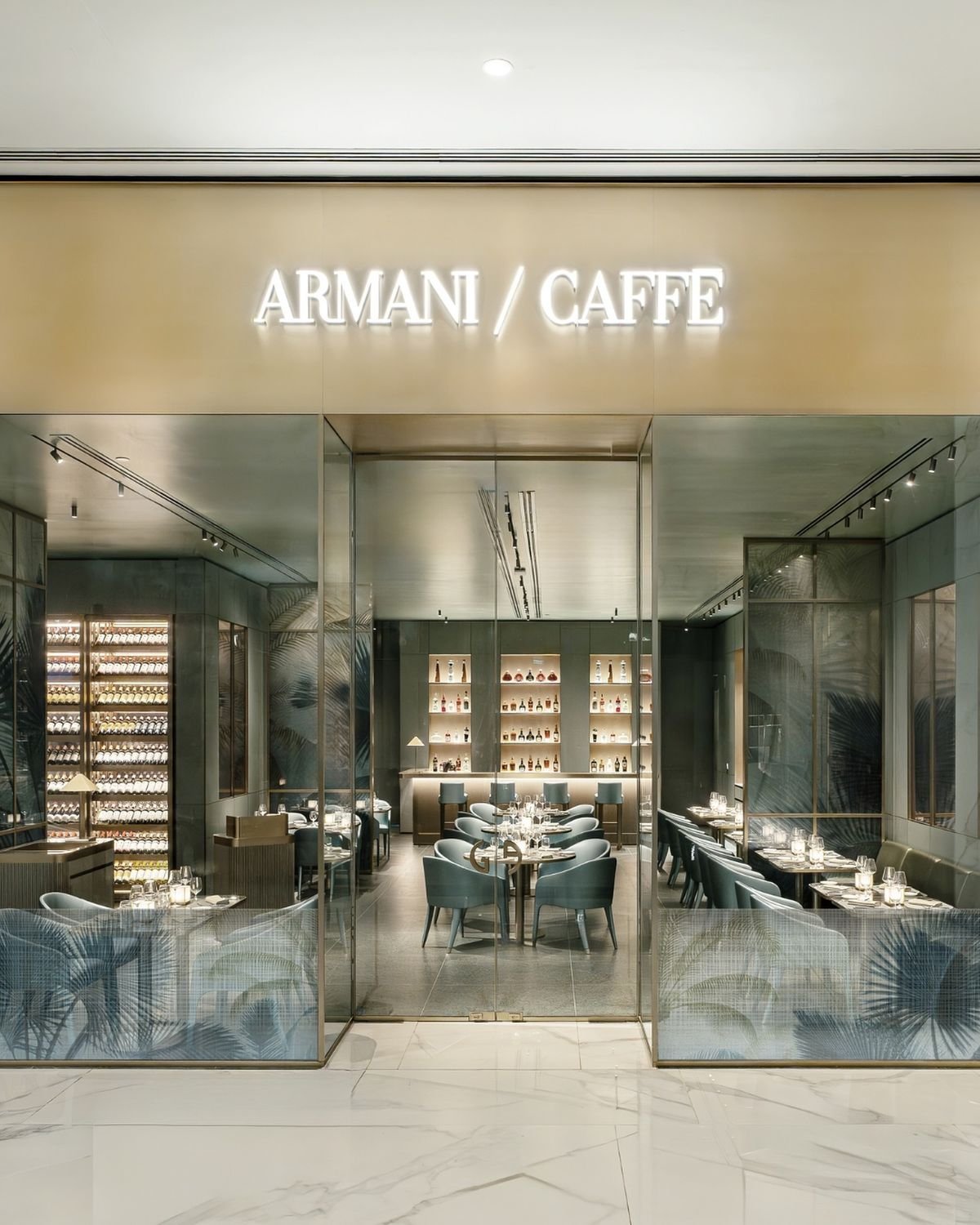
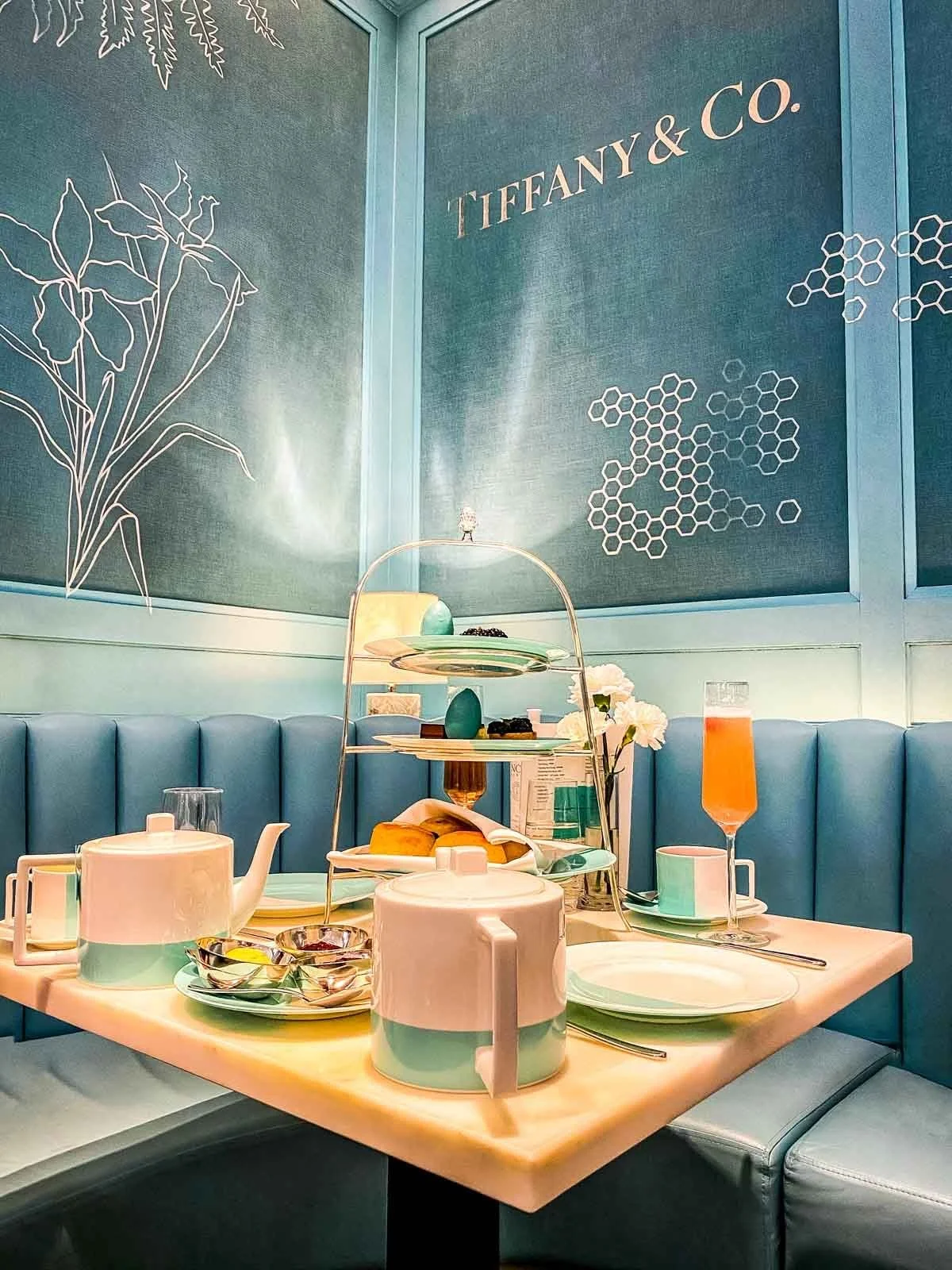
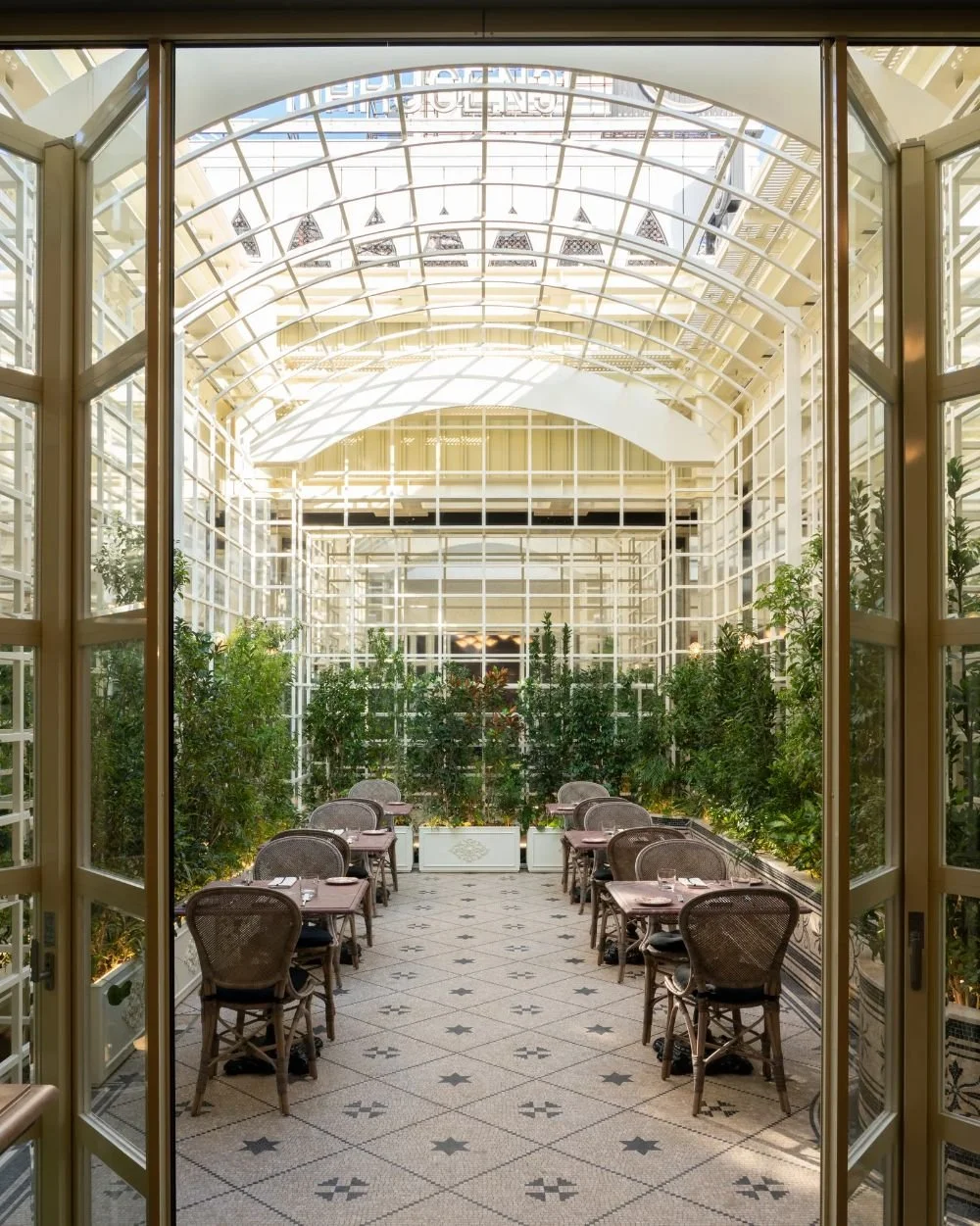
This trend also reflects a broader cultural shift: the boundaries between disciplines like fashion, food, art, and design are no longer rigid. Cafés curated by fashion brands are often meticulously designed — from tableware to playlists — making each visit a sensory embodiment of the brand philosophy. The shift moves luxury away from static possessions and toward lived environments, where every sip, bite, or photograph becomes part of a larger narrative.
However, this convergence isn’t without its challenges. While cafés can democratize access, brands risk diluting exclusivity if their hospitality ventures feel too universal or inconsistent with their core identity. High operational complexity and the demand for culinary excellence also make hospitality a difficult domain for fashion houses whose expertise is not rooted in food service. Successful café experiences are those where the brand narrative, design, and service cohere seamlessly.
In the 21st century, cafés are no longer just about coffee — they are about connection, culture, and brand storytelling. They give consumers a new way to live a fashion story rather than just wear it. In doing so, they’ve become powerful cultural hubs — social spaces where identity, aspiration, and experience blend. As fashion houses continue expanding into everyday rituals like coffee, dining, and leisure, cafés will not just complement brands; they will become vital chapters in how brands express themselves and how consumers define themselves.
