
Gen Z and the Unexpected Return of the Digital Camera
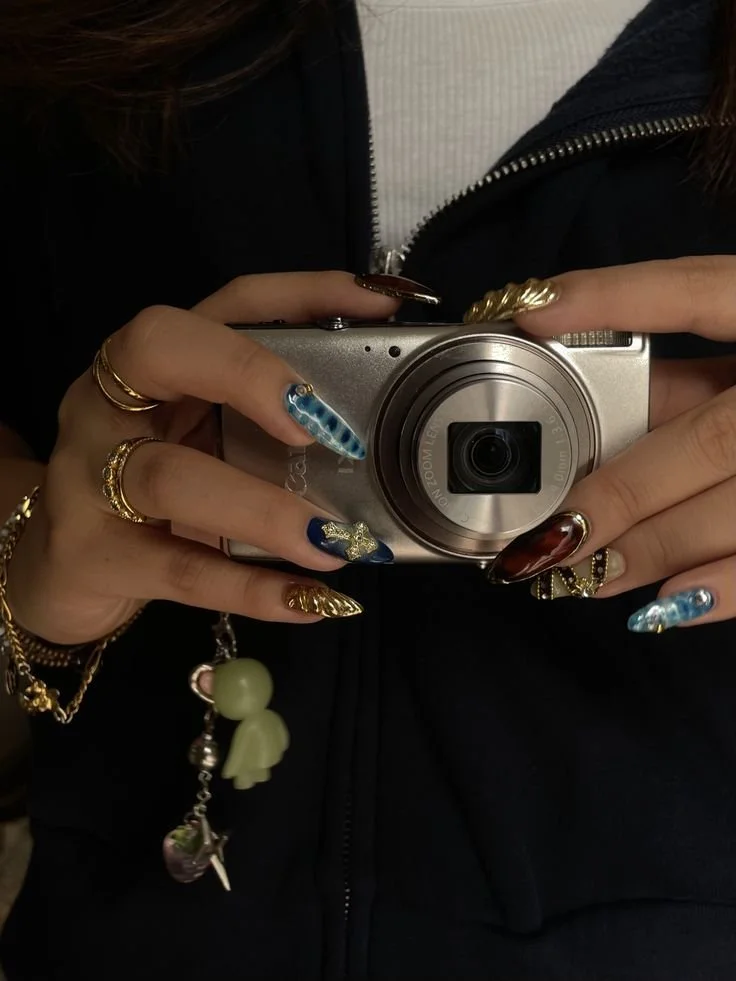
Once considered obsolete, the digital camera is experiencing an unexpected revival—this time led by Gen Z. In an era dominated by ultra-polished smartphone photography, younger generations are deliberately turning to early digital cameras from the late 1990s and 2000s, embracing their imperfections as a form of creative expression and cultural identity.
The original rise of the digital camera in the late 20th century marked a technological revolution. Film was replaced by sensors, memory cards, and instant image review, making photography faster, cheaper, and more accessible. By the early 2000s, digital cameras had become household staples, documenting everything from family holidays to nights out—until smartphones rendered them seemingly redundant.
But what technology leaves behind, culture often reclaims.
Today, Gen Z is actively collecting compact digital cameras—Canon PowerShots, Sony Cybershots, Nikon Coolpix models—not for technical superiority, but for character. These devices produce images that feel raw and unfiltered: blown highlights, soft focus, harsh flash, and pixelated textures that stand in sharp contrast to the hyper-optimised imagery of modern phone cameras. In a digital landscape saturated with perfection, imperfection has become the ultimate aesthetic.
Social media has played a central role in this resurgence. On platforms like TikTok and Instagram, hashtags such as #digicam and #digitalcamera showcase millions of posts celebrating retro visuals, thrifted cameras, and unedited moments. For Gen Z, using a digital camera is not just about photography—it’s about intentionality. There are no instant notifications, no endless retakes, and no immediate filters. Each photo feels considered, finite, and personal.
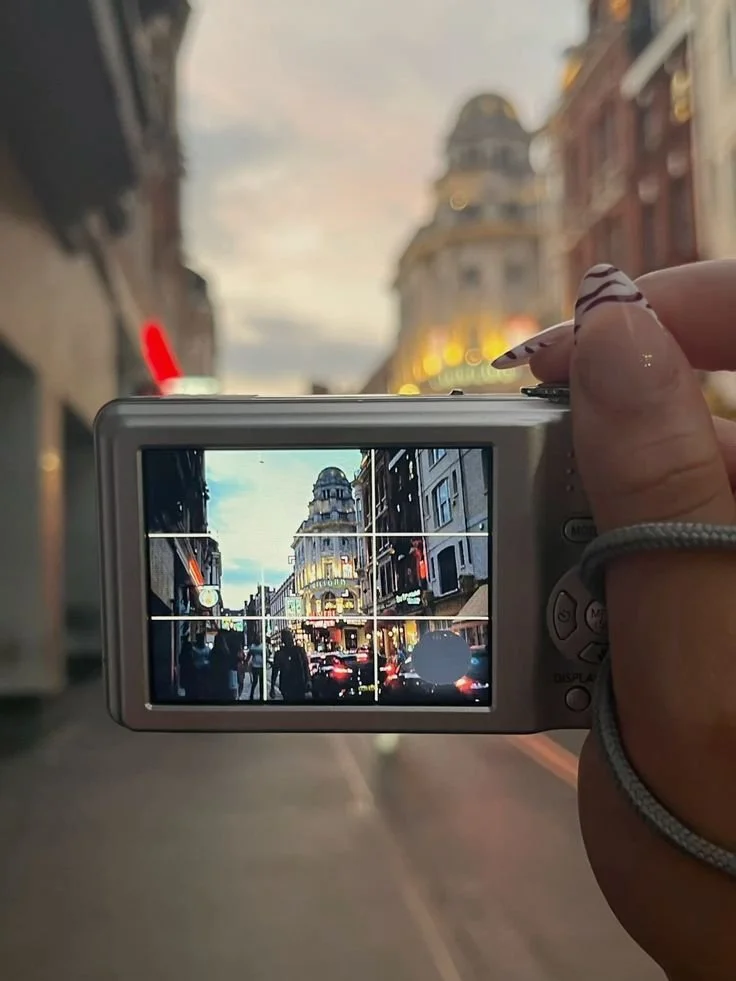

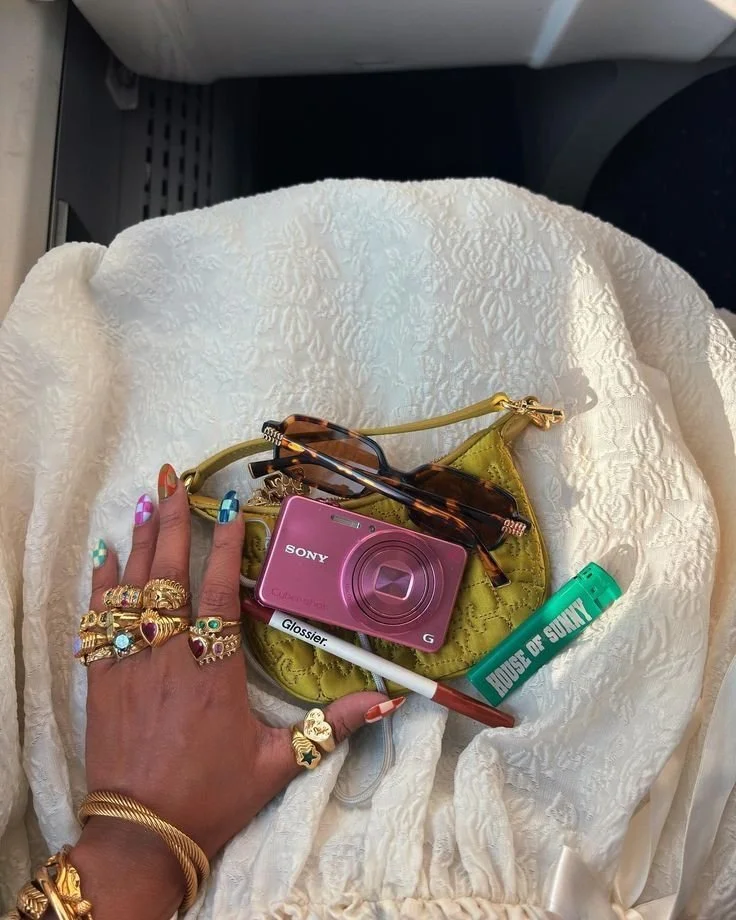
This shift also reflects a broader cultural longing for nostalgia—often for a time Gen Z didn’t fully experience themselves. The early-2000s digital camera represents an era before constant connectivity, when photos were taken to be remembered rather than instantly shared. Carrying a digital camera creates distance from the phone-centric world, allowing users to be present while still documenting their lives.
The resurgence has transformed second-hand markets, with once-forgotten models now highly sought after and steadily increasing in value. What was once technological waste has become a curated collectible, blending sustainability with style and storytelling.
In many ways, Gen Z isn’t rejecting technology—they’re redefining it. By reviving digital cameras, they are reclaiming control over how moments are captured and remembered. The rise of the digital camera may have been about convenience, but its comeback is about meaning. And in a world driven by algorithms and instant gratification, that might be its most powerful evolution yet.