
Golf in the UAE: From Impossible Dream to Global Powerhouse
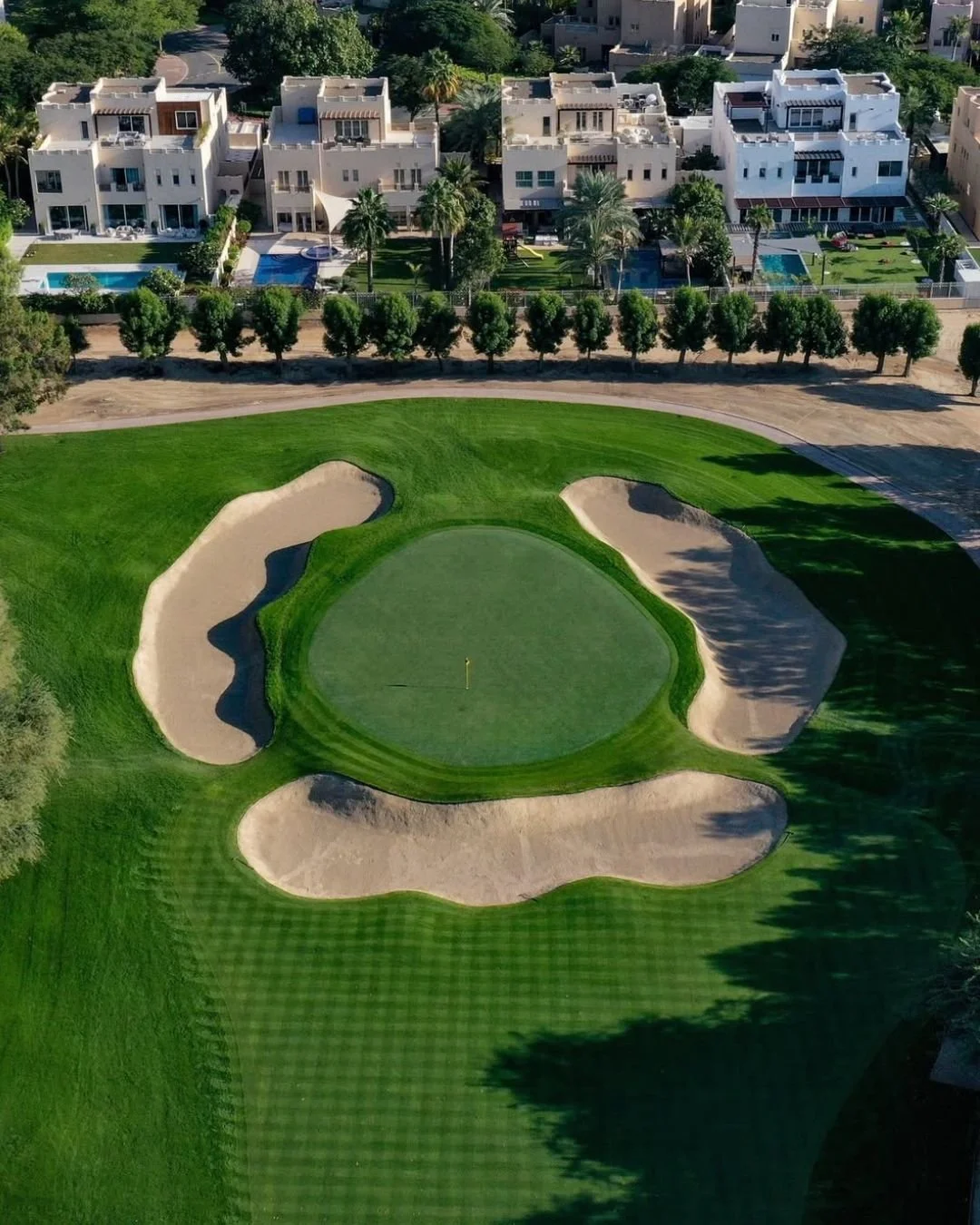
Emirates Golf Club
Golf in the United Arab Emirates was never meant to be easy. In a land of sand, heat, and scarce freshwater, the idea of emerald fairways once sounded closer to fantasy than feasibility. Yet, in just a few decades, the UAE has rewritten the sport’s geography—proving that ambition, technology, and vision can bend even the harshest environments to human imagination.
This is not merely the story of golf courses built in the desert. It is the story of a nation using sport as a statement of identity, progress, and global relevance.
The Past: Building Fairways Where None Should Exist
When golf first appeared in the UAE in the late 1980s, it was largely a pastime for expatriates and visiting executives. There was no tradition, no local infrastructure, and no historical precedent. What existed instead was a leadership willing to invest boldly in the future.
The opening of Emirates Golf Club in 1988 marked a turning point—not just for the UAE, but for the entire Middle East. As the region’s first grass golf course, it challenged global assumptions about where championship golf could be played. Its Majlis Course, carved directly out of desert terrain, became a symbol of technical ingenuity and quiet defiance against environmental limitations.
Soon after, international attention followed. The launch of the Dubai Desert Classic placed the UAE on the professional golf map. The presence of the world’s best players sent a clear message: the UAE was not experimenting—it was committing.
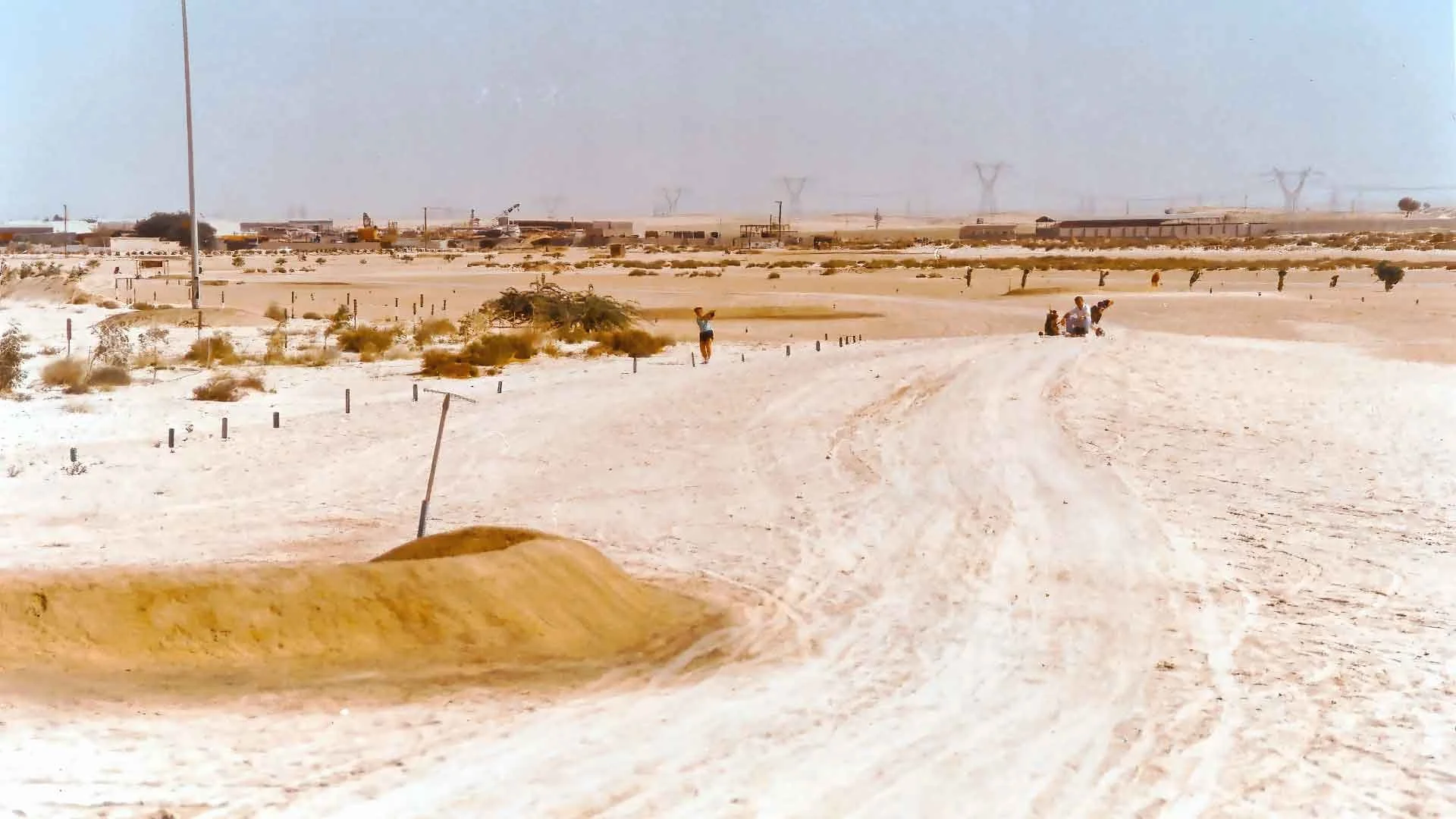
Emirates Golf Club 1988
The Present: A Mature and Influential Golf Nation
Today, golf in the UAE has moved far beyond novelty. It is structured, respected, and deeply embedded in the country’s global sporting identity. Dubai, Abu Dhabi, and other emirates now host multiple championship courses designed by some of the greatest names in golf architecture.
Courses like Yas Links reflect this maturity. Unlike early desert layouts, Yas Links embraces coastal geography, blending traditional links-style golf with modern Middle Eastern luxury. It signals confidence—the UAE no longer needs to prove it can build golf courses; it now focuses on building exceptional ones.
Professionally, the country is a cornerstone of the international golf calendar. Major tours rely on UAE events to anchor their early seasons, while players value the conditions, organization, and prestige. Golf tourism has flourished alongside this growth, with winter tournaments and luxury resorts turning the UAE into a seasonal pilgrimage site for golfers worldwide.
Equally important is the quiet evolution happening off the fairways. Junior academies, women’s golf programs, and Emirati participation are steadily increasing. Golf is no longer an imported spectacle—it is becoming part of the local sporting culture.
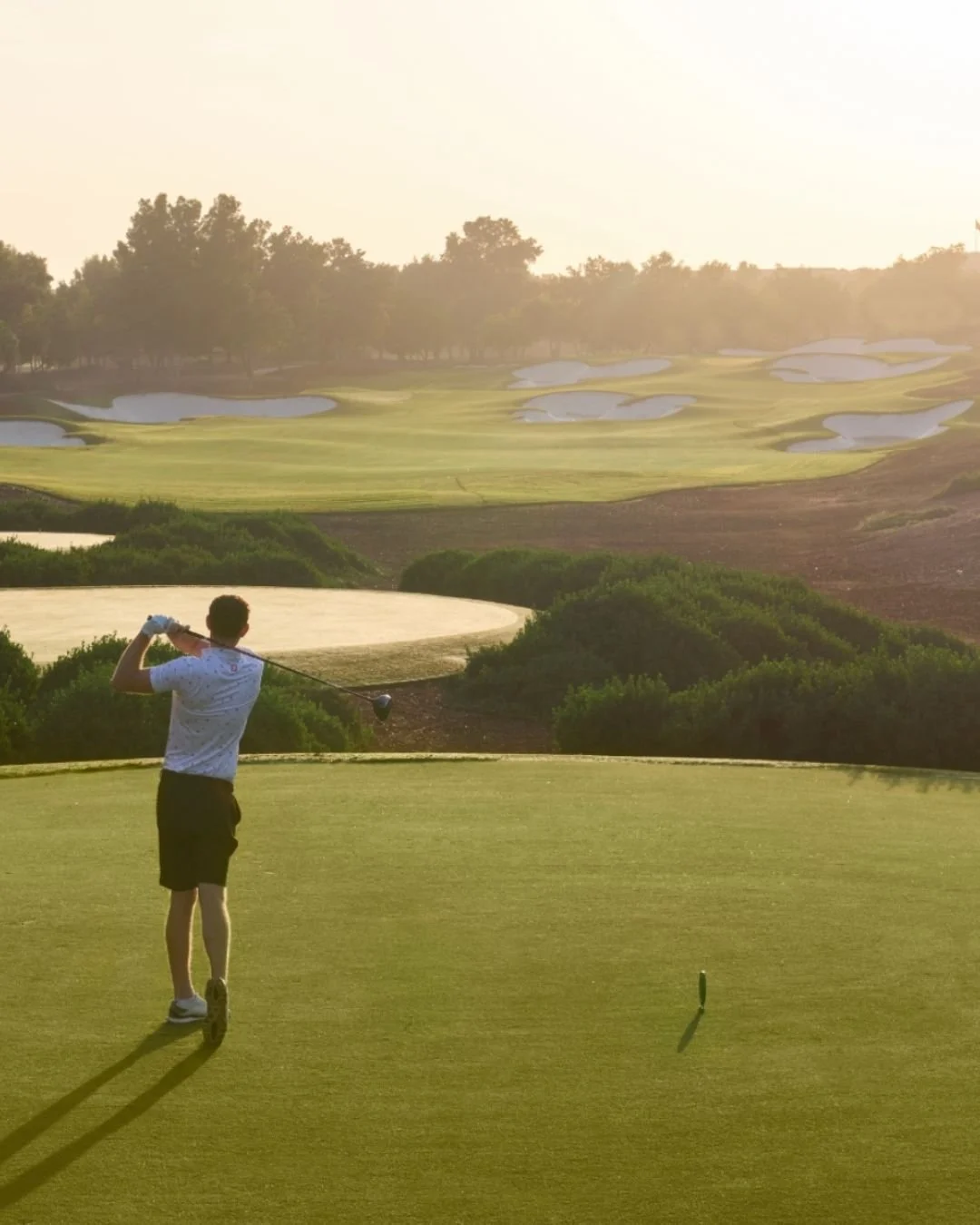
Jumeirah Golf Estates
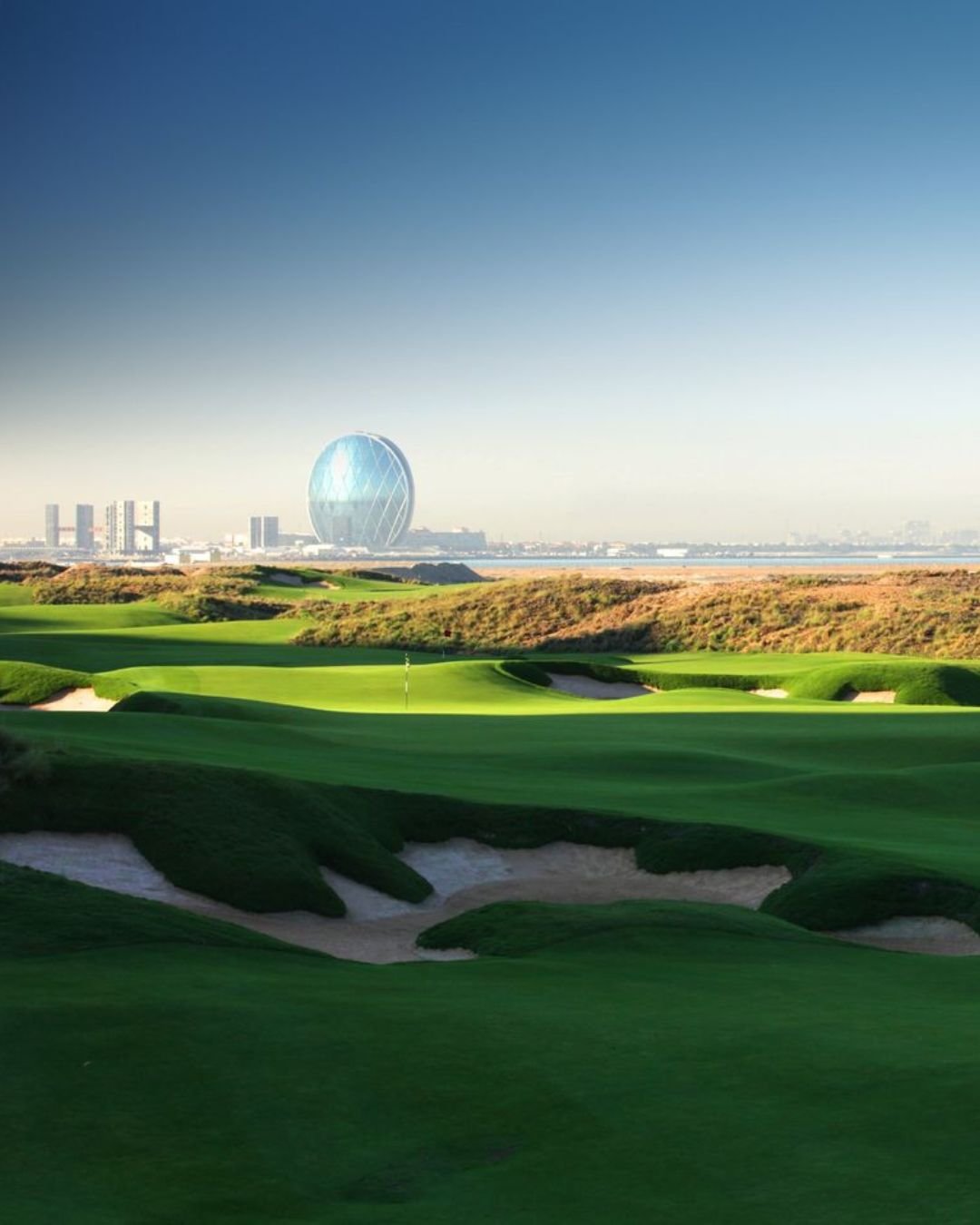
Yas Links Abu Dhabi
The Future: Sustainability, Identity, and Global Leadership
The next chapter of golf in the UAE will be defined less by expansion and more by responsibility. Environmental sustainability has become central to course design, with recycled water systems, salt-tolerant grasses, and smarter land use shaping future developments. In a region acutely aware of climate realities, golf must justify its footprint—and the UAE is positioning itself to lead that conversation.
There is also a growing emphasis on legacy. The future is not just about hosting tournaments, but about developing players, professionals, and administrators from within the region. As Emirati youth engagement rises, the possibility of homegrown stars competing on the world stage feels increasingly realistic.
Globally, the UAE is poised to remain a power broker in the sport—hosting, funding, innovating, and influencing how modern golf evolves in a changing world.
Golf in the UAE is ultimately a metaphor for the nation itself. What began as an audacious experiment has matured into a model of excellence. The fairways are greener now, the roots deeper, and the ambitions more refined.
From defying geography in the past, to shaping global calendars in the present, and redefining sustainability in the future, the UAE has ensured that golf here is not just played—but purposefully built to last.
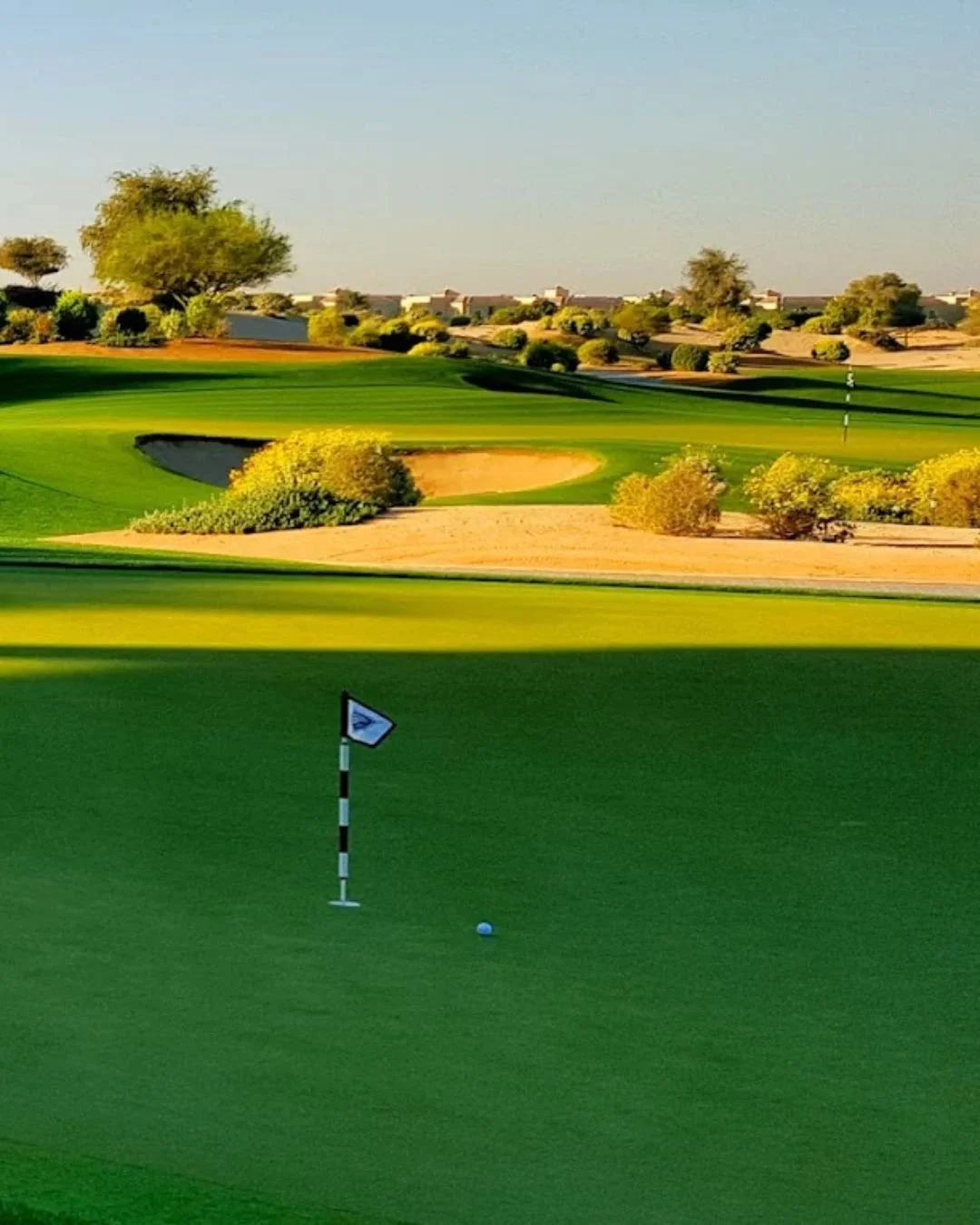
The Els Club