Cult Gaia: Designing Objects, Not Trends
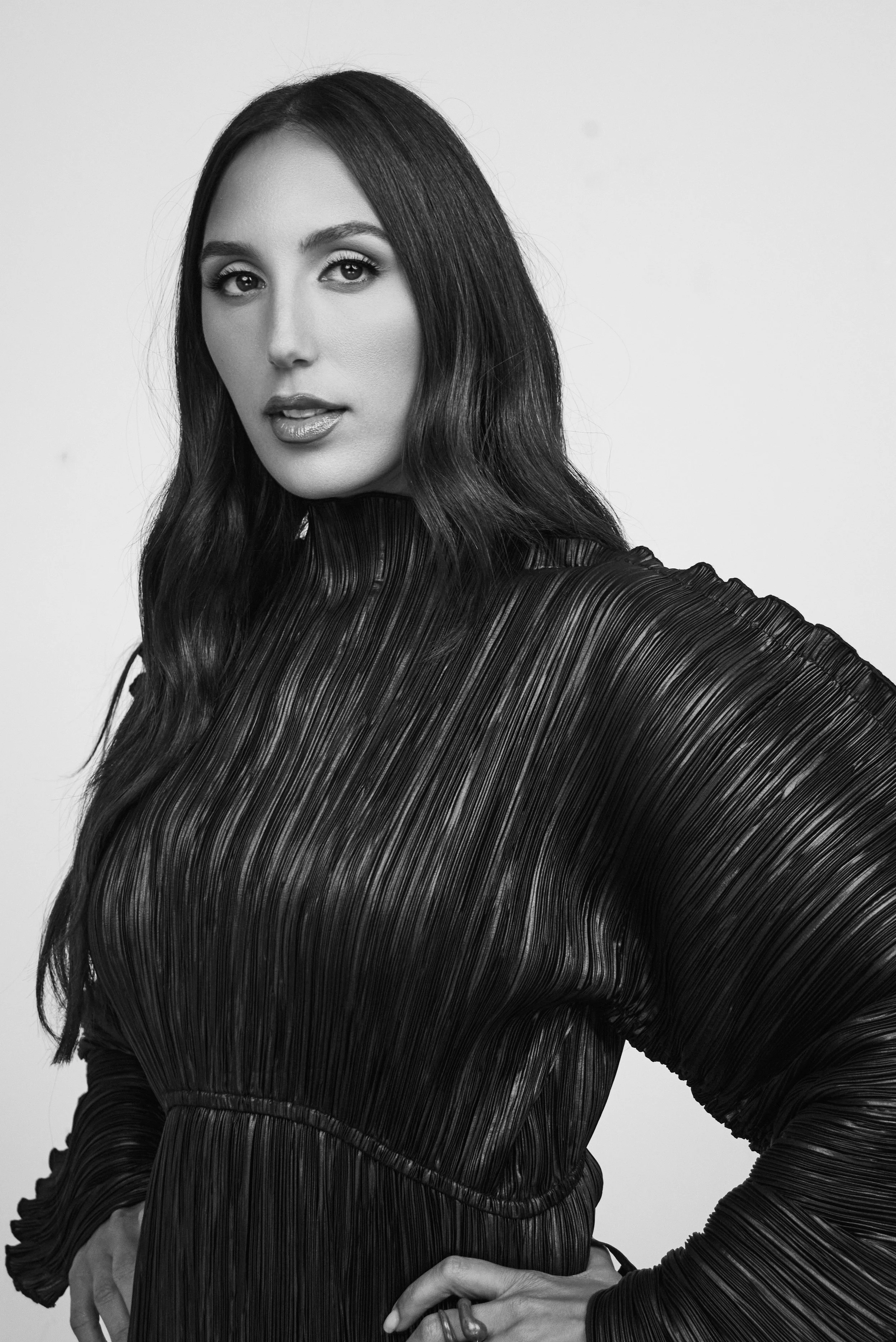
Jasmin Larian Hekmat
Interview with Jasmin Larian Hekmat
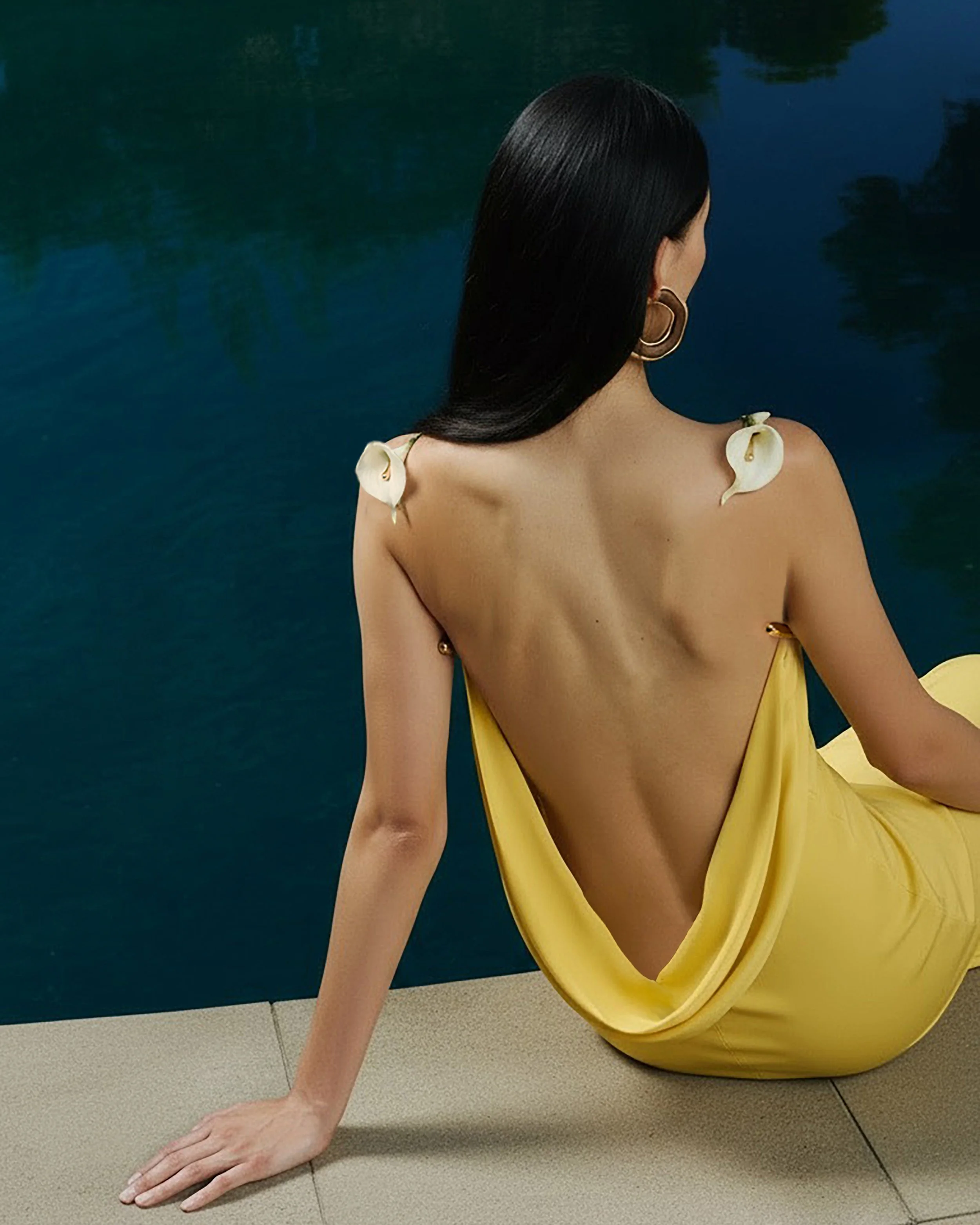
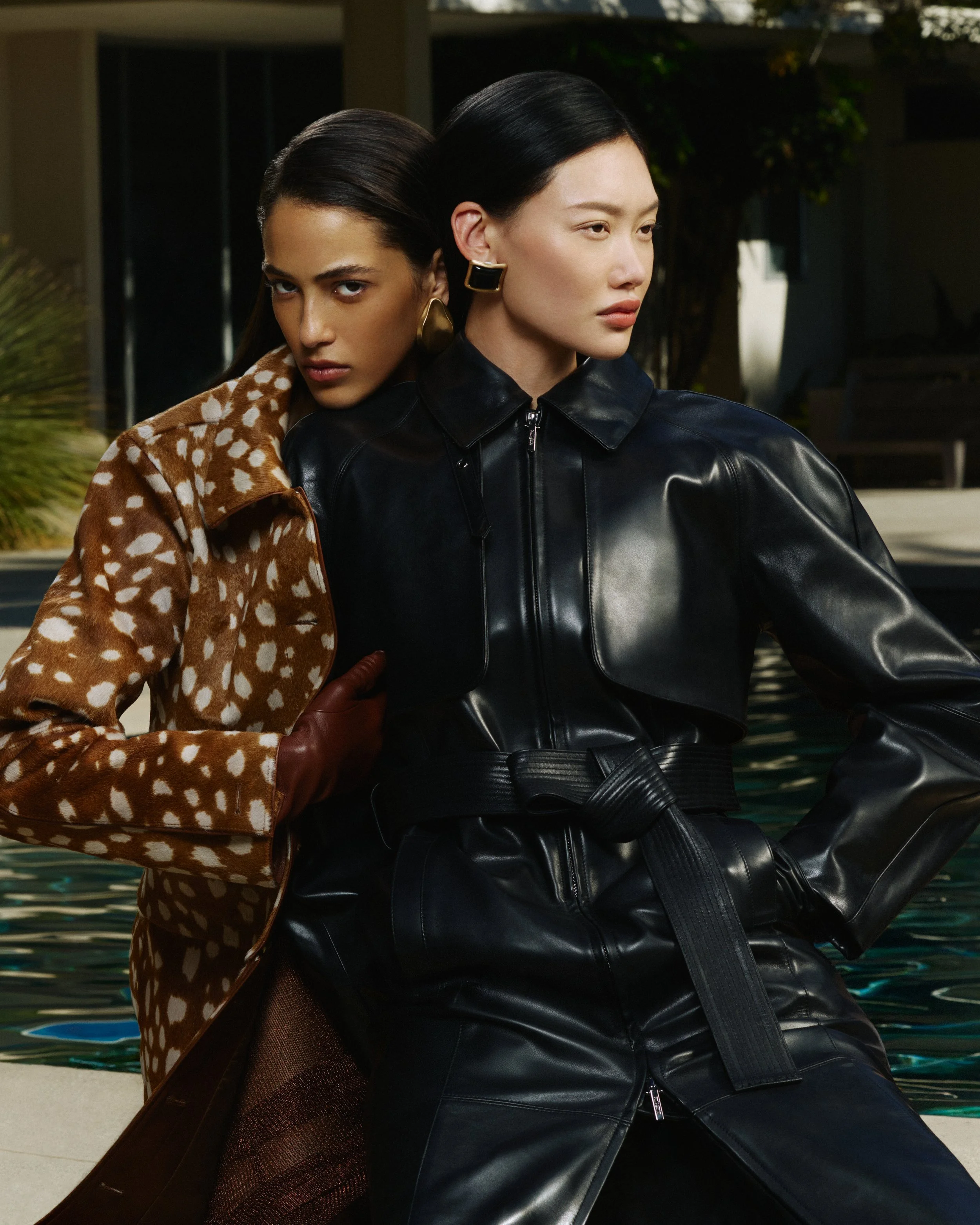
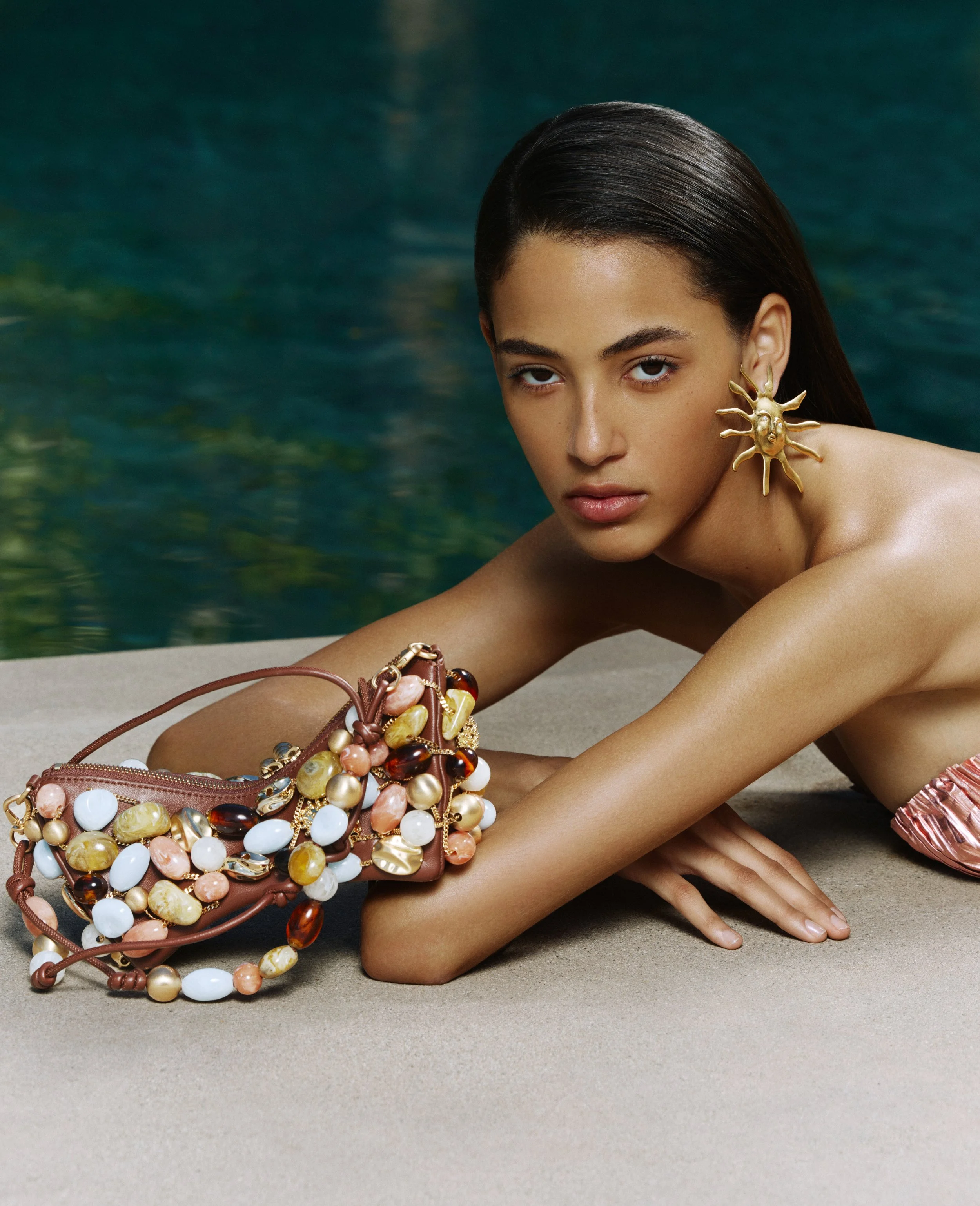
Cult Gaia has become one of the most recognisable contemporary fashion brands without relying on logos or overt branding. Founded in Los Angeles in 2012 by Jasmin Larian Hekmat, the label exists at the intersection of sculpture, fashion, and object design. We spoke with Larian Hekmat about creative inheritance, recognisability, and how to scale a brand without diluting its soul.
Q: You grew up surrounded by both fine art and large-scale commercial creativity. How did that environment shape your understanding of art versus commerce?
A: Growing up, I never saw art and commerce as opposing forces. Creativity was simply part of everyday life, whether it lived in a studio or on a much larger cultural stage. What I learned early on is that integrity comes from intention, not scale. You can reach millions without compromising your point of view if the work is honest.
Q: Your father’s work with Bratz had a massive cultural impact. Did witnessing that level of influence affect how you think about recognisability in fashion?
A: Absolutely. Seeing how a single visual idea could resonate globally was formative. It taught me that recognisability isn’t about repetition for its own sake—it’s about clarity. When something is distinct enough, people remember it and make it their own.
Q: Cult Gaia began as a small, handmade accessories project. When did you realise it could become a lifestyle brand?
A: It wasn’t a single moment. It happened gradually as I realised people weren’t just responding to individual pieces, but to a way of seeing. That required shifting from thinking about products to thinking about worlds.
Q: The Ark Bag became a defining accessory of its era. How did that moment change your relationship with success?
A: Interestingly, the Ark Bag didn’t sell for the first two years. Then it snowballed overnight. That experience taught me that success is fleeting if you try to hold onto it too tightly. It pushed me to focus on building the brand’s DNA rather than being attached to a single piece.
Q: Your designs are often described as sculptural or architectural. What leads your creative process—form, function, or emotion?
A: Emotion always comes first. Form and function follow naturally once there’s a feeling anchoring the piece. If a design doesn’t evoke something before it’s explained, the construction doesn’t matter.
Q: Many Cult Gaia pieces feel closer to objects than garments. What does it mean for fashion to function as art?
A: I’m interested in fashion that holds presence—something meant to be passed down and felt, not just worn. Cult Gaia exists in that tension between collectible and wearable. Once that balance is lost, the piece disconnects from real life.
Q: As the brand expanded into ready-to-wear, footwear, and swim, how did you maintain Cult Gaia’s DNA without repetition?
A: The DNA is rooted in femininity, art, nature, and heritage, which makes it easier to evolve. Expansion wasn’t about whether we could move into new categories, but how to do so while allowing the brand to grow rather than repeat itself.
Q: Los Angeles feels integral to the brand. How does the city influence your creative rhythm?
A: Los Angeles shapes how I think as much as how I design. There’s an openness here—light, warmth, landscape—that allows for whimsy and ease. It informs the brand’s tone without making it feel heavy.
Q: Fashion today is driven by speed and visibility. How do you protect your creative process?
A: I focus on building a visual world rather than reacting to individual moments. Trends move quickly, but trust and a point of view take time. Moving fast and slow both feel meaningful to me.
Q: What feels like a clear evolution in the Resort 2026 and Holiday 2025 collections?
A: The pieces are more wearable while still being sculptural. They feel timeless—forever pieces. The brand is growing with me, and the wardrobe needs to reflect that evolution.
Q: As Cult Gaia becomes increasingly imitated, do you feel pressure to protect the signature or disrupt it?
A: The more we’re imitated, the more compelled I am to disrupt ourselves and move on. Staying creatively curious is far more important than preserving something unchanged.