
Designing Confidence: Nish Shewak on Architecture, Art, and the Future of Luxury Heels
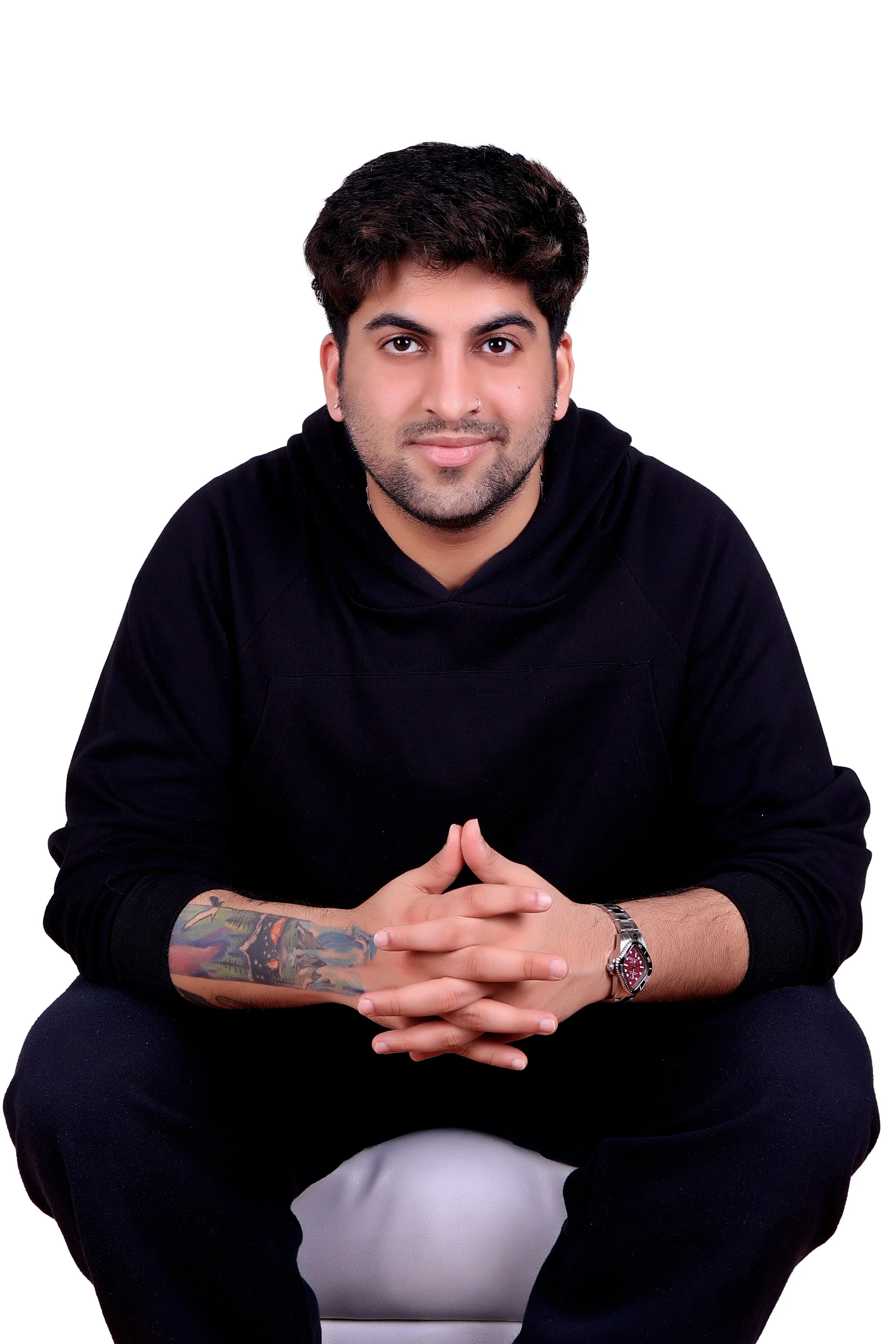
Luxury footwear is often driven by trends, logos, and seasonal relevance. But for Nish Shewak, founder and creative director of SHEWAK, shoes are something far more enduring: sculptural objects, architectural statements, and wearable art engineered for comfort and meaning. I sat down with Nish to discuss how architecture informs her design language, why sustainability is embedded rather than advertised, and how Shewak is quietly redefining modern luxury from Dubai to Italy and beyond.
MD: You founded Shewak in 2020, but it didn’t begin as a conventional shoe brand. What was the original vision?
NS: Shewak actually started as a creative studio. I was developing multiple shoe ideas—experimental silhouettes, futuristic forms, even Arabic men’s sandals that I never released. From the beginning, I didn’t want to just make shoes. I wanted to create collectible objects that spark conversation. Fashion, architecture, and art coming together. The goal was always to design for a niche audience that values innovation, quality, and sustainability—not just a logo or a brand name.
MD: You studied at Istituto Marangoni and worked with Roberto Cavalli. How did those experiences shape your approach?
NS: I entered Marangoni obsessed with sneakers, but I completely fell in love with heels there. They sharpened my technical understanding—pattern-making, proportions, luxury detailing. Cavalli, on the other hand, taught me the power of storytelling: glamour, boldness, drama. I took precision from Italy and confidence from Cavalli. That combination still defines Shewak today.
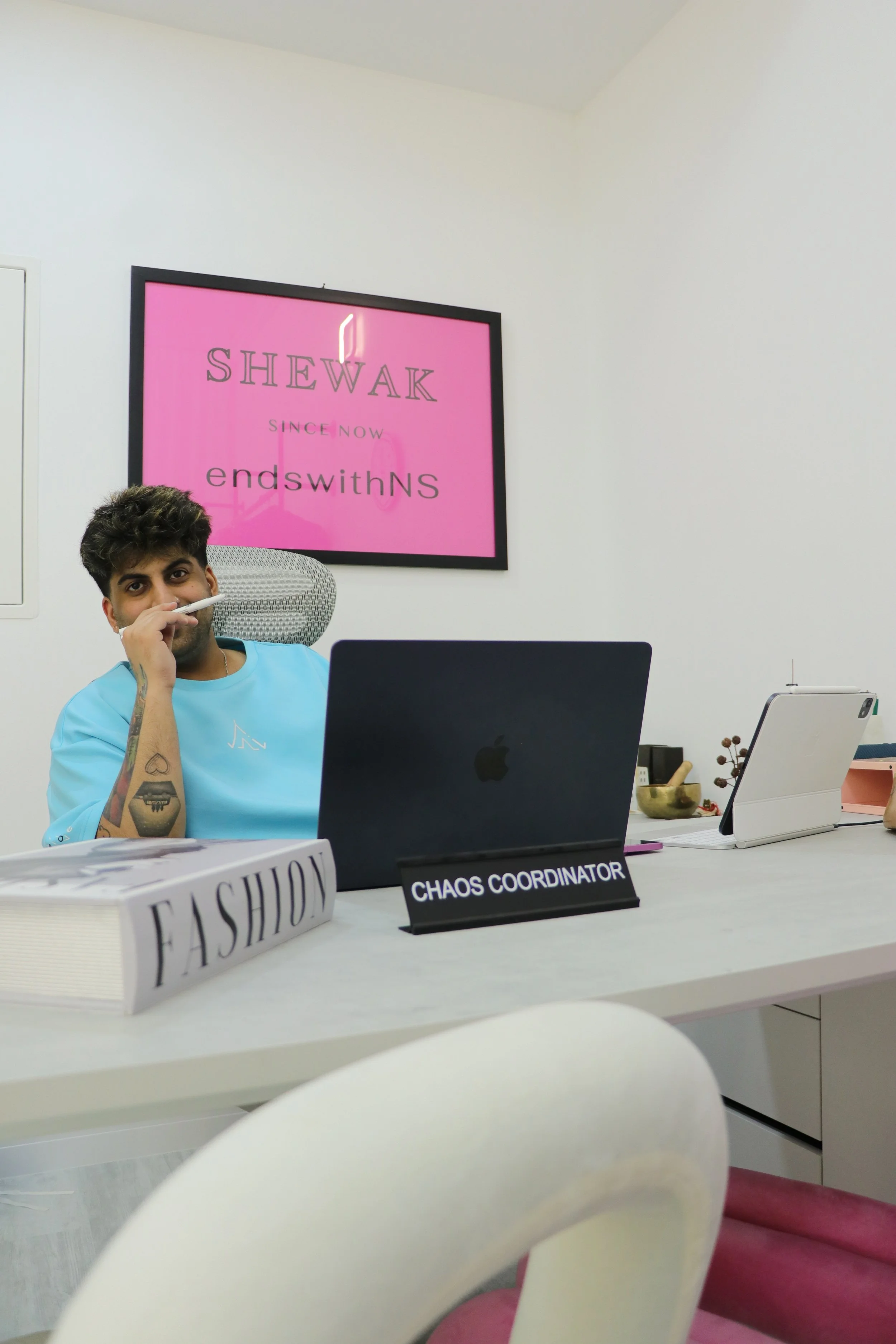
MD: Your designs are often described as architectural. Why does architecture resonate so strongly with you?
NS: Architecture represents permanence and ambition. Buildings are designed to stand tall, to make statements. I see the Shewak woman the same way. When she walks, she’s carrying her own skyscraper. I study curves, lines, and structural tension in buildings and reduce them into heel proportions. It’s about translating strength into something wearable.
MD: That philosophy really comes alive in your signature Reflections Double Heel. How did that design come about?
NS: It was an instant idea tied to a personal realization. The concept of Reflections—that life mirrors our inner world. I wanted that idea embedded physically into the shoe. Everything reflects: the heel, the outsole, the details. Structurally, it evolved into two parallel heels coexisting—something that hadn’t been done before. It was challenging, unconventional, and required years of R&D, but comfort was non-negotiable.
MD: Comfort is something people don’t usually associate with sculptural heels.
NS: Exactly, and that’s what I wanted to change. Every bold design is tested rigorously. We literally test shoes on Italian cobblestone streets. If a model can walk in them for eight hours, we know we’ve done it right. Sculpture means nothing if it can’t be worn.
MD: Sustainability is another key pillar of Shewak, but you rarely market it loudly. Why?
NS: Because for us, it’s not a tagline—it’s embedded. We work exclusively with ethical Italian factories, produce in very limited quantities, and engineer processes to reduce waste. We use PVD techniques that reduce water usage by up to 70%, metal-free linings that are better for skin, and precision cutting tools to minimize leather wastage. Sustainability is part of why the shoes take time and cost what they do.
MD: You also give back through the brand.
NS: Yes, part of our revenue goes to stray animal shelters. Purpose matters to me. Luxury without responsibility doesn’t feel complete.


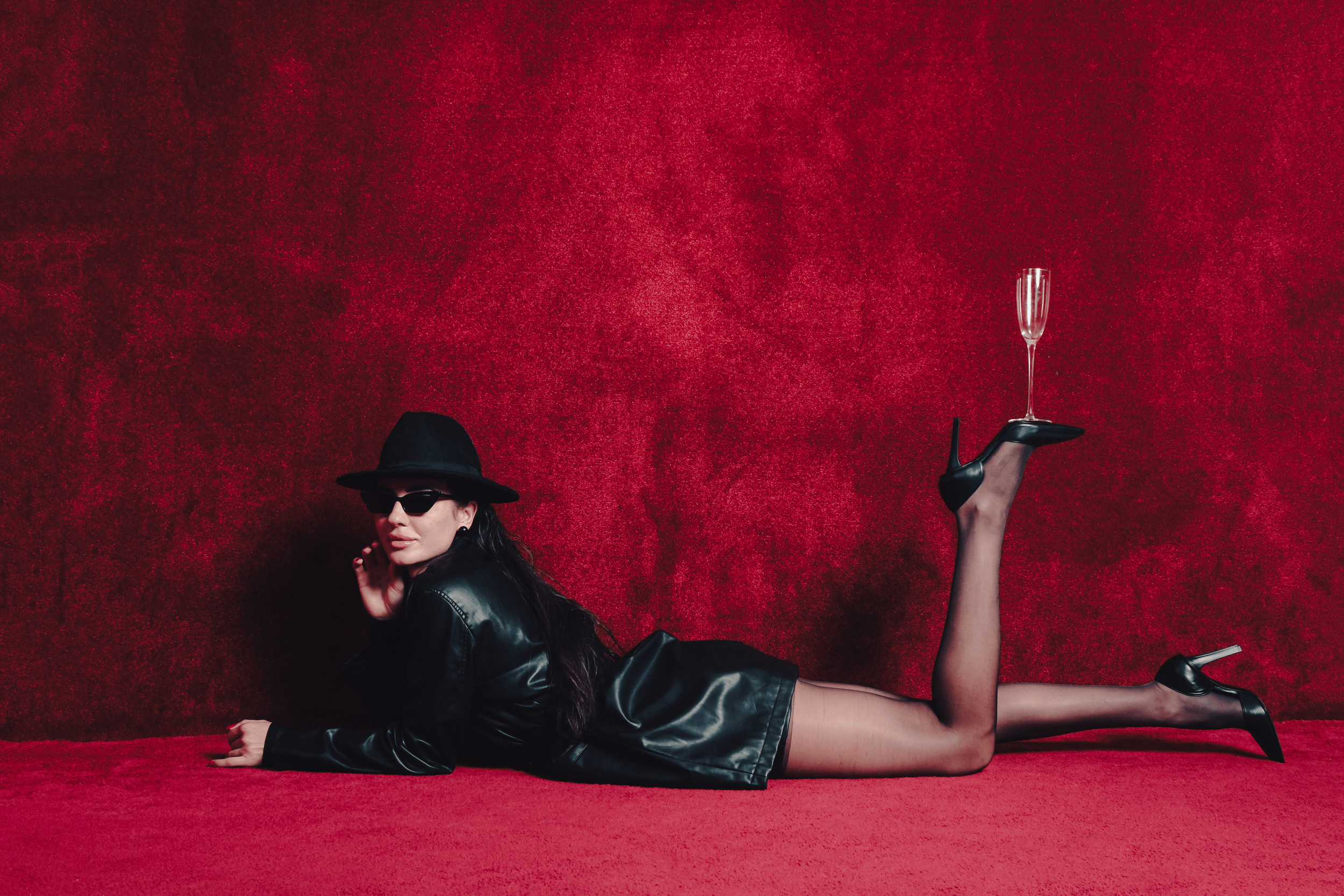
MD: Shewak gained international visibility through Dubai Bling. How did that moment impact the brand?
NS: It brought mainstream attention to the Double Heel and showed that a designer born in Dubai can stand beside global luxury names. Although the partnership eventually ended, it pushed me to fully step into Shewak as an independent label. We rebranded, doubled down on exclusivity, and refined our positioning—private fittings, limited drops, and curated launches.
MD: How do you define exclusivity today?
NS: Through scarcity and intimacy. Each pair is numbered. Fittings are private. Drops are limited. It’s less about buying a shoe and more about joining a tribe of bold, individualistic women.
MD: You price between AED 2,400 and 3,000, placing Shewak in accessible luxury. Was that intentional?
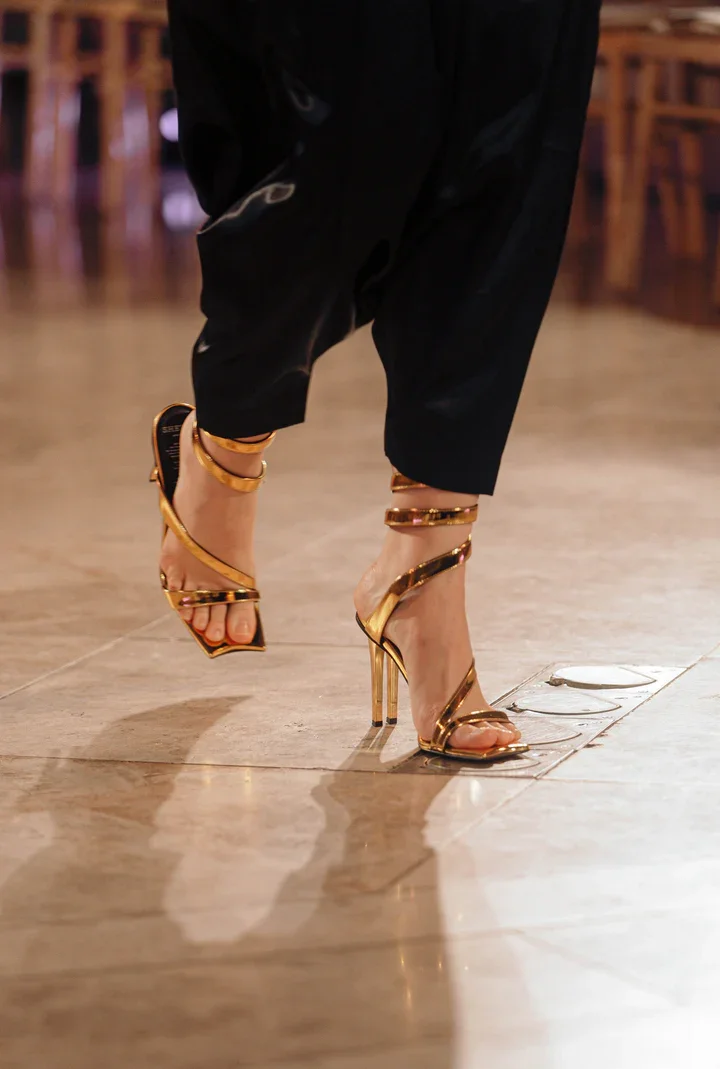
NS: Very intentional. We’re lower than many international luxury brands, but we don’t compromise on quality. Production costs in Europe keep rising, but we refuse to cut corners. For us, it’s a collectible entry point—Top and notch. Two words.
MD: What’s next creatively for Shewak?
NS: Experimenting further with heels and physics, more asymmetry like the Twin D’Orsay pumps—the world’s first asymmetrical pumps. We’re also expanding our presence at fashion weeks and collaborating with influential figures in entertainment.
MD: And in five years, how do you hope Shewak is perceived?
NS: As a collectible art-fashion brand with a cult following—global but intimate. Known for the most unique, premium-quality heels. When someone sees a pair, they should instantly know it’s Shewak.
MD: Finally, what does wearing Shewak mean to you?
NS: Confidence. Presence. When a woman walks in Shewak, people notice. As I always say: they will want to walk behind you.
